
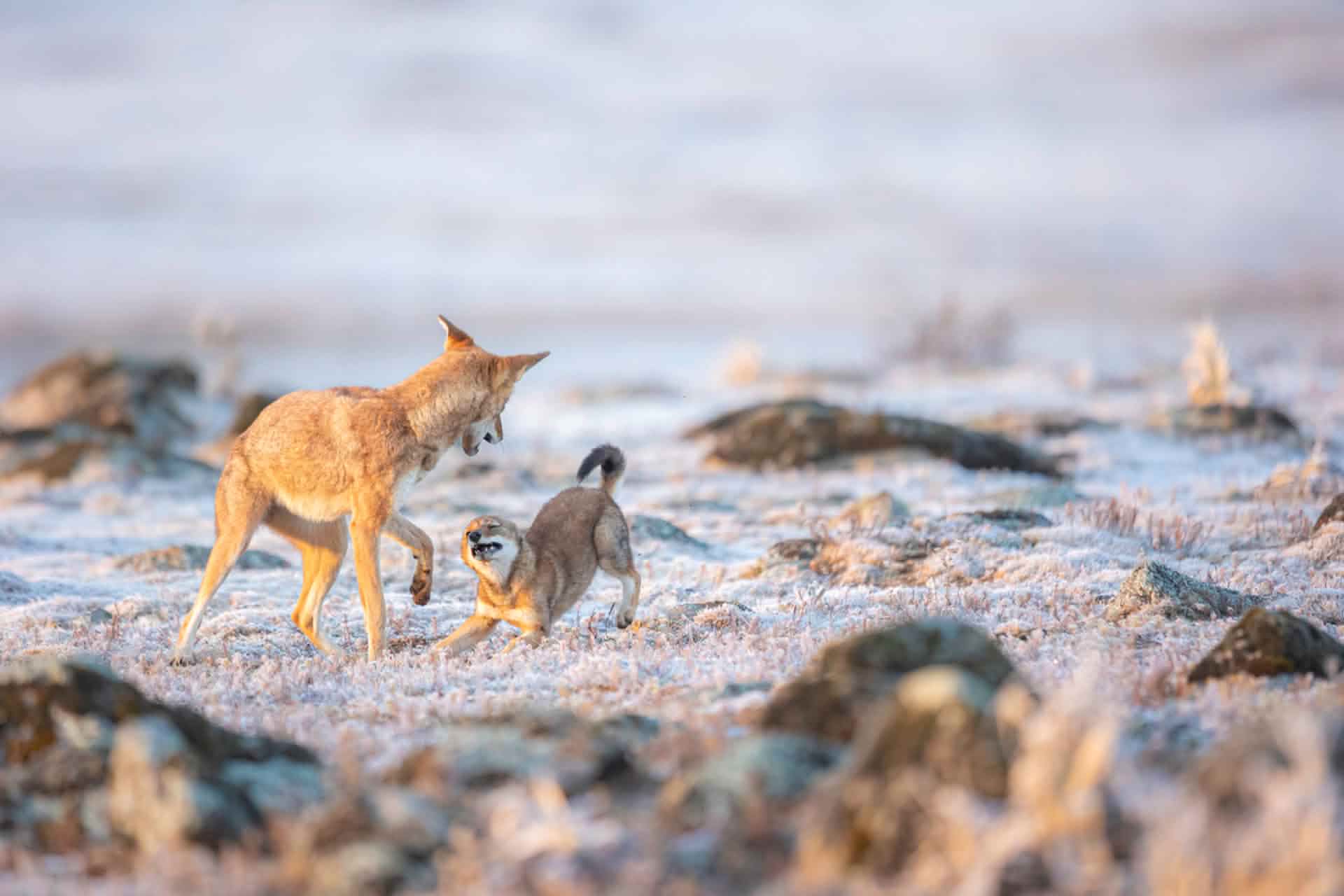
When you support the Ethiopian Wolf Conservation Program (EWCP), you help secure viable and ecologically functioning Ethiopian wolf populations and habitats.
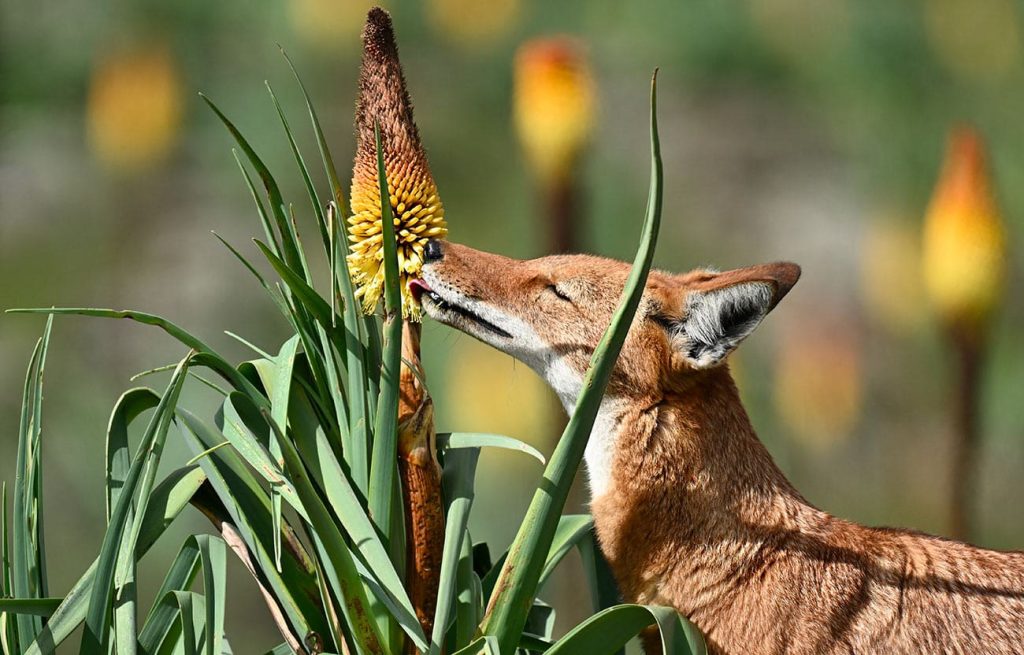
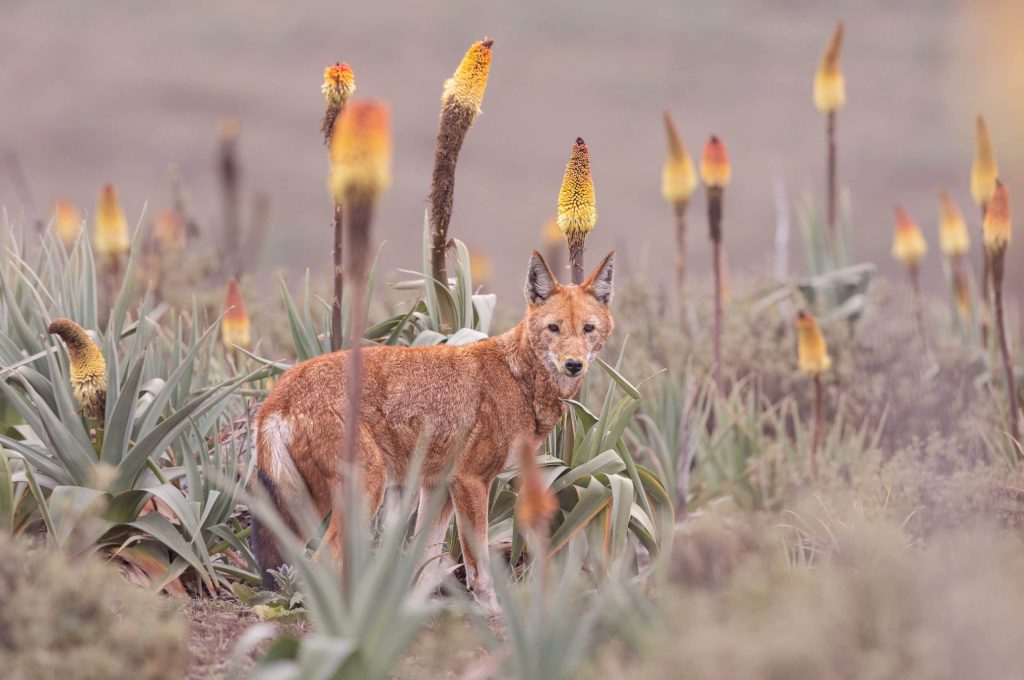
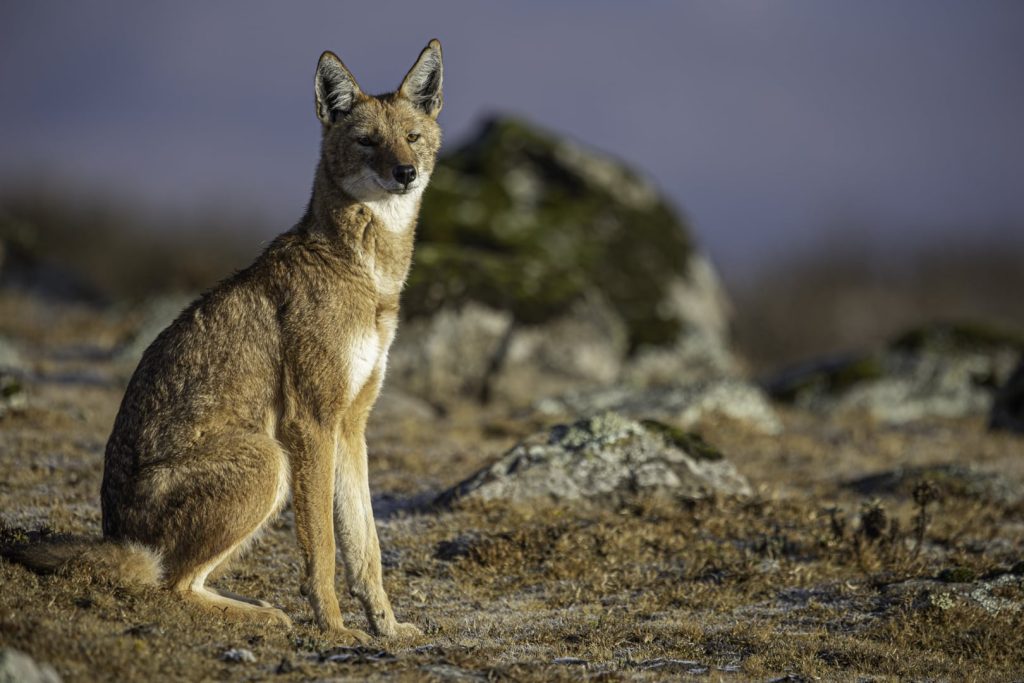
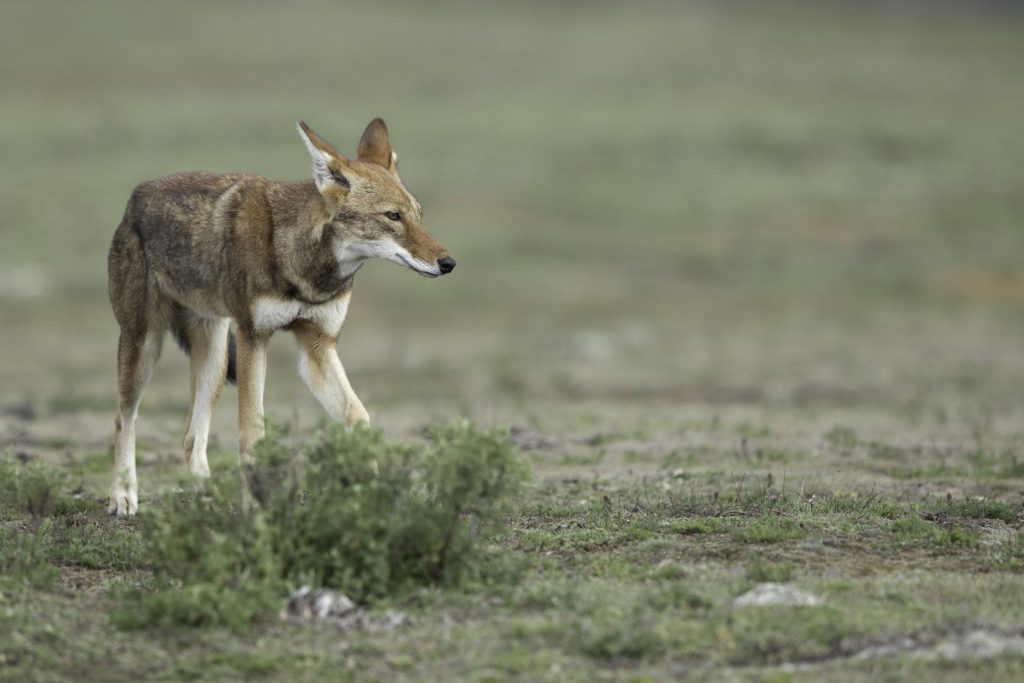
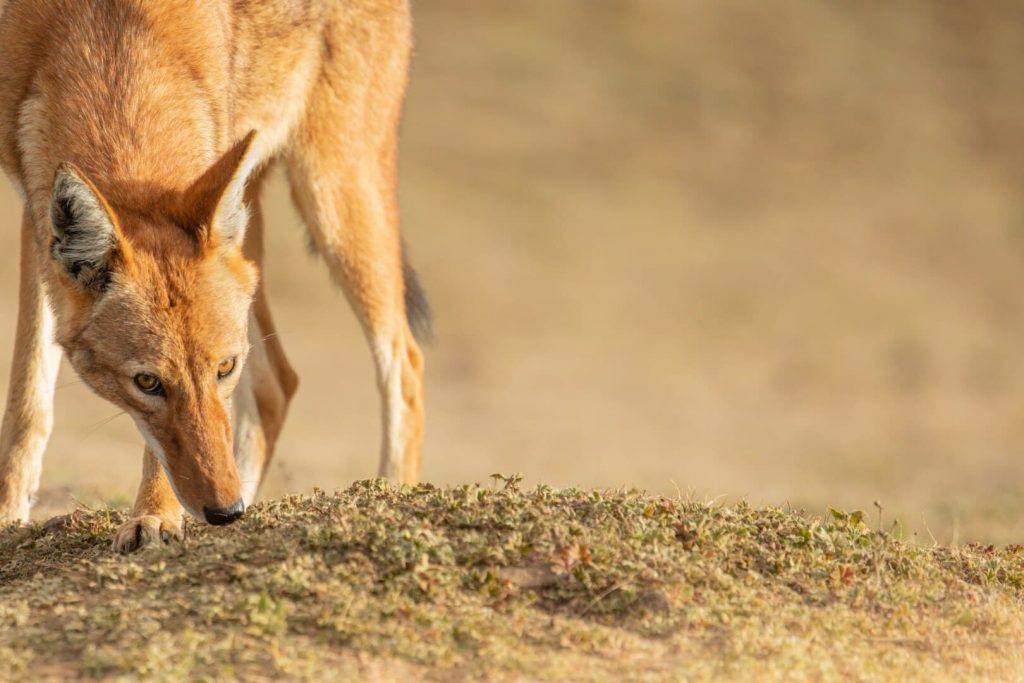
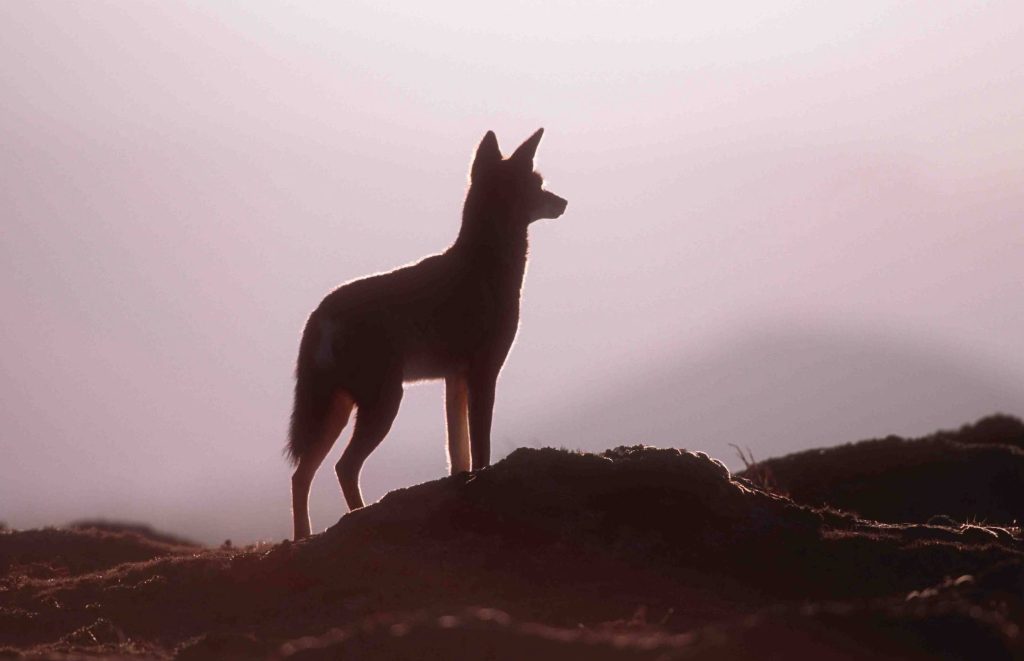
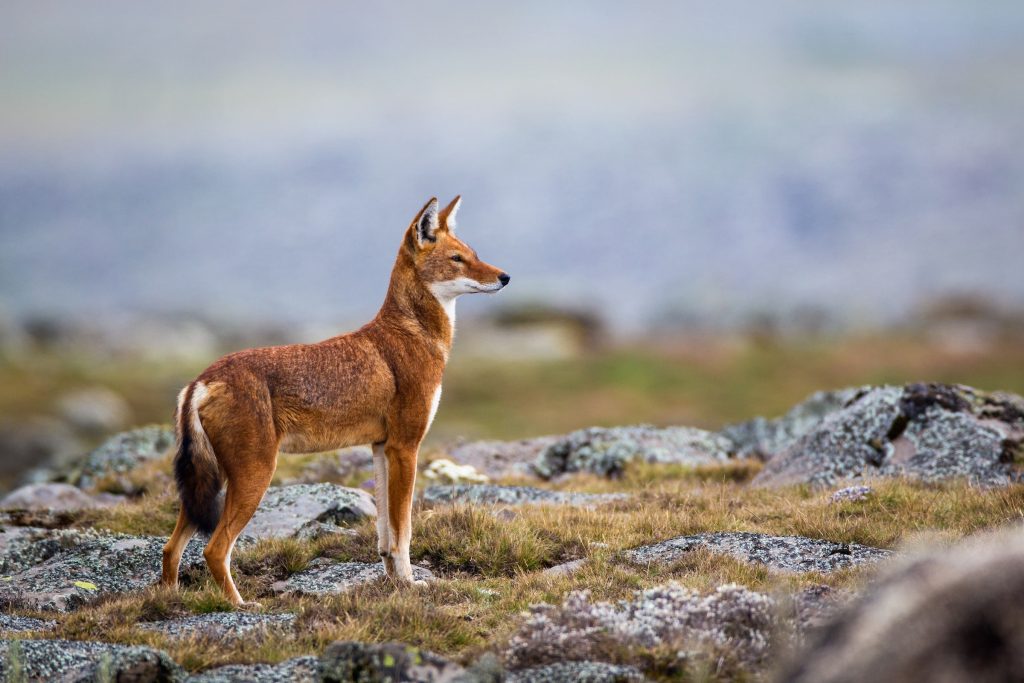
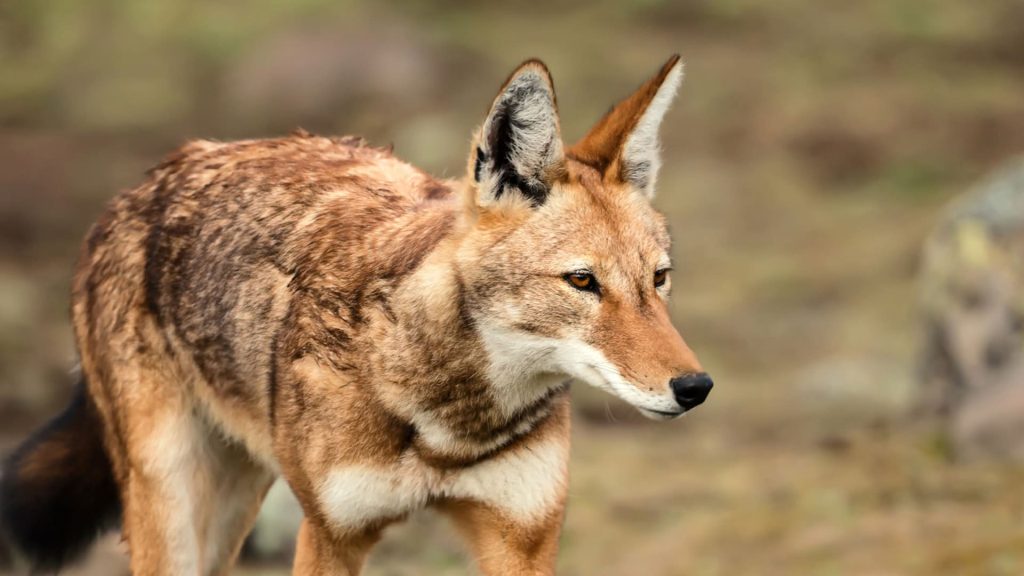
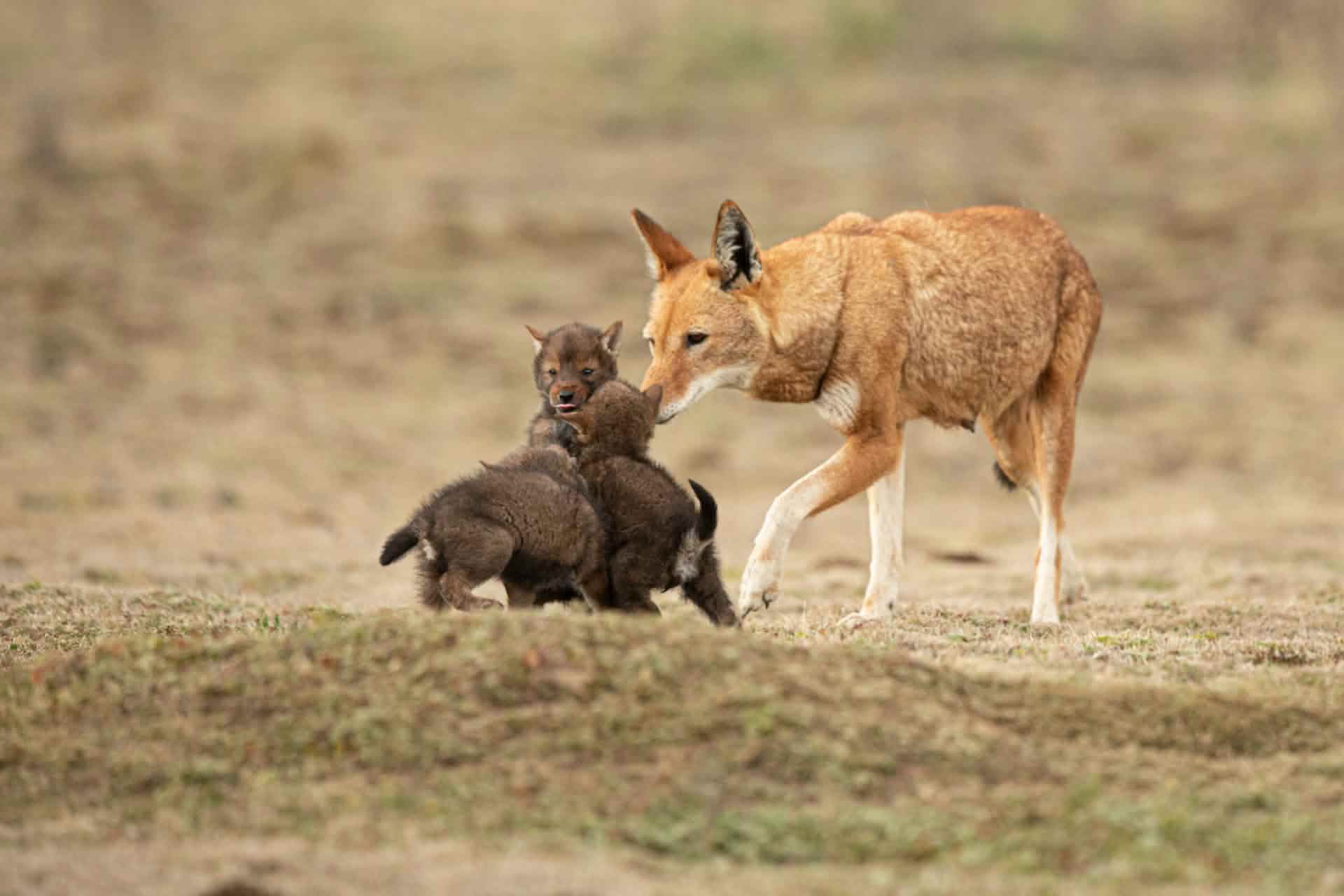
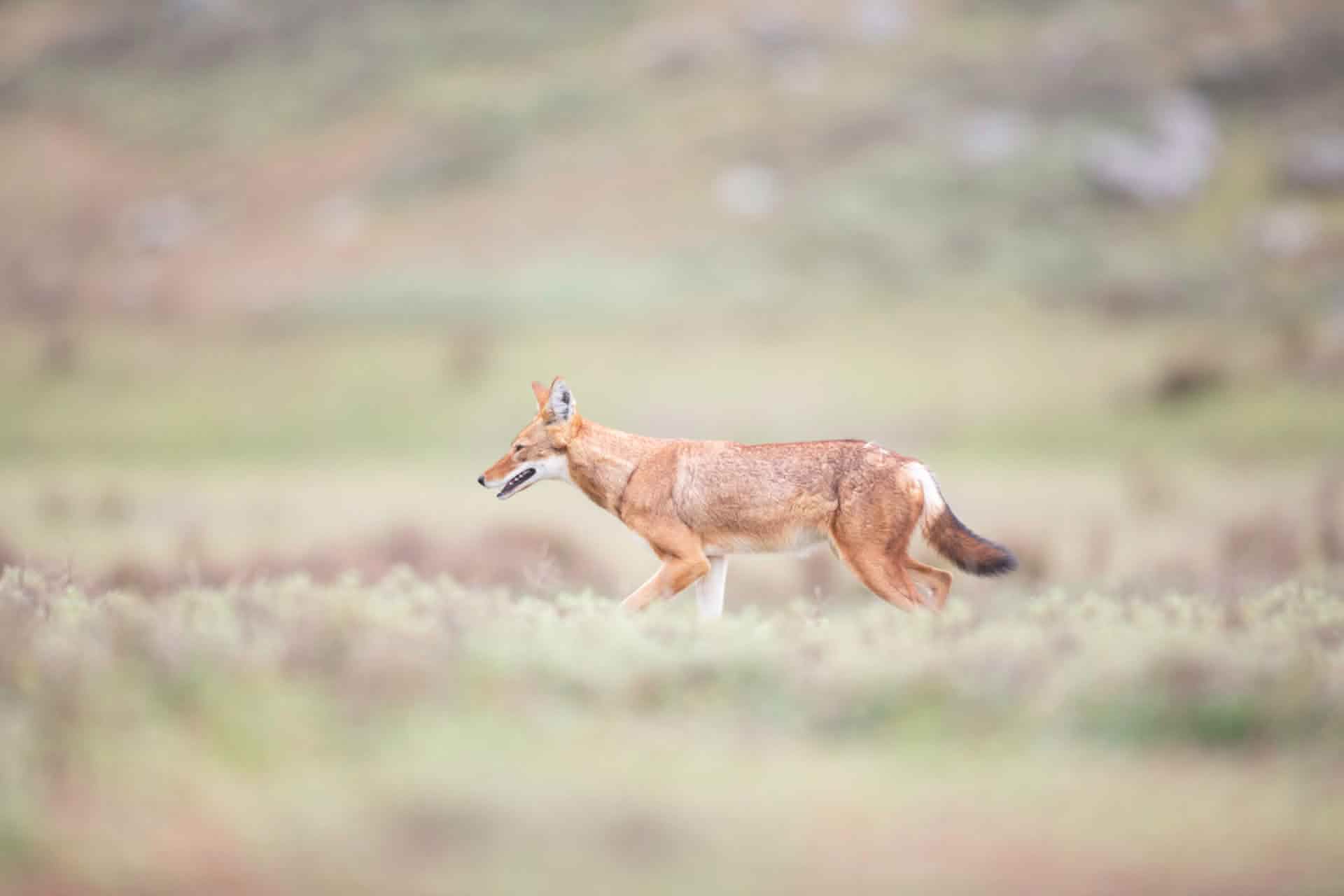
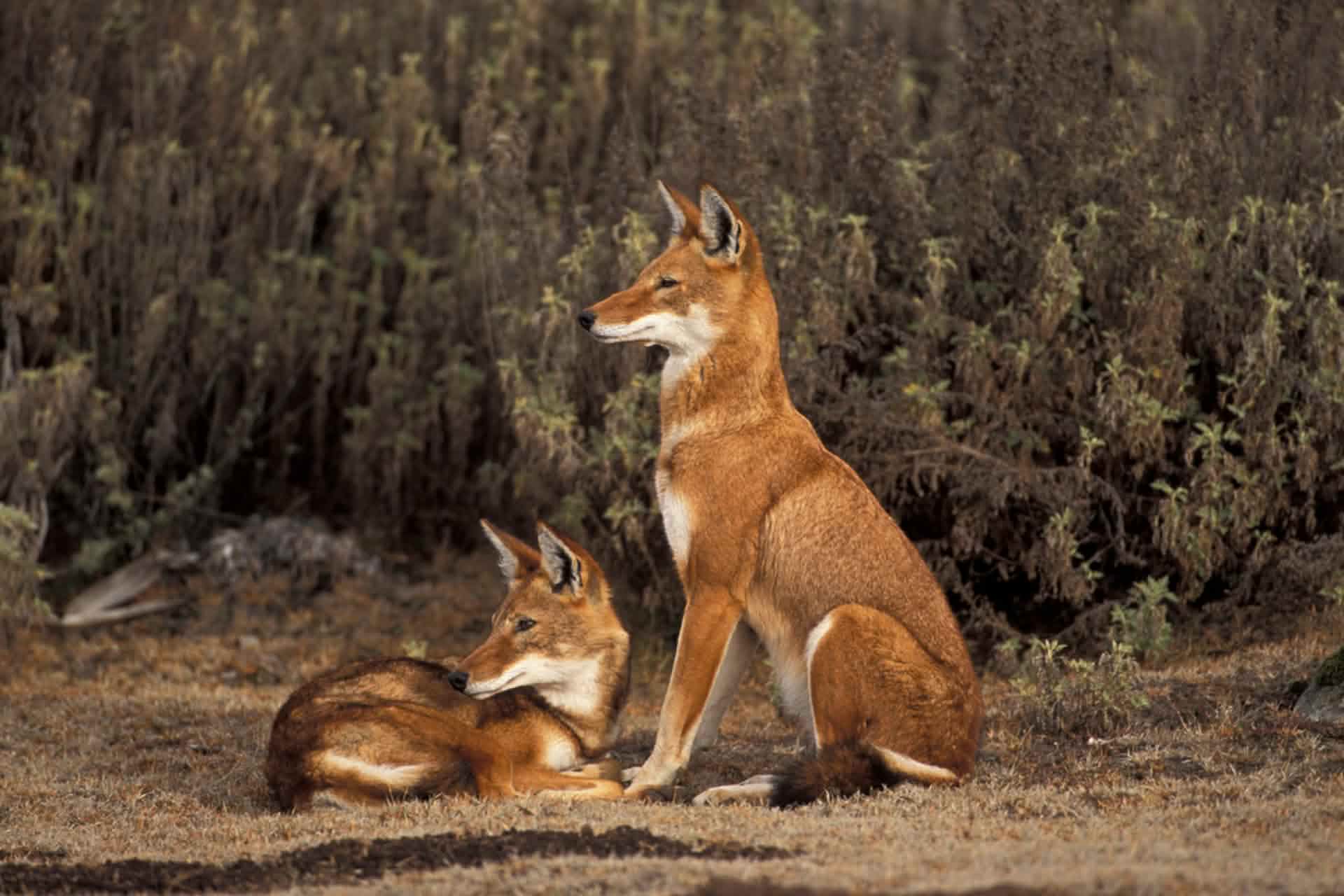
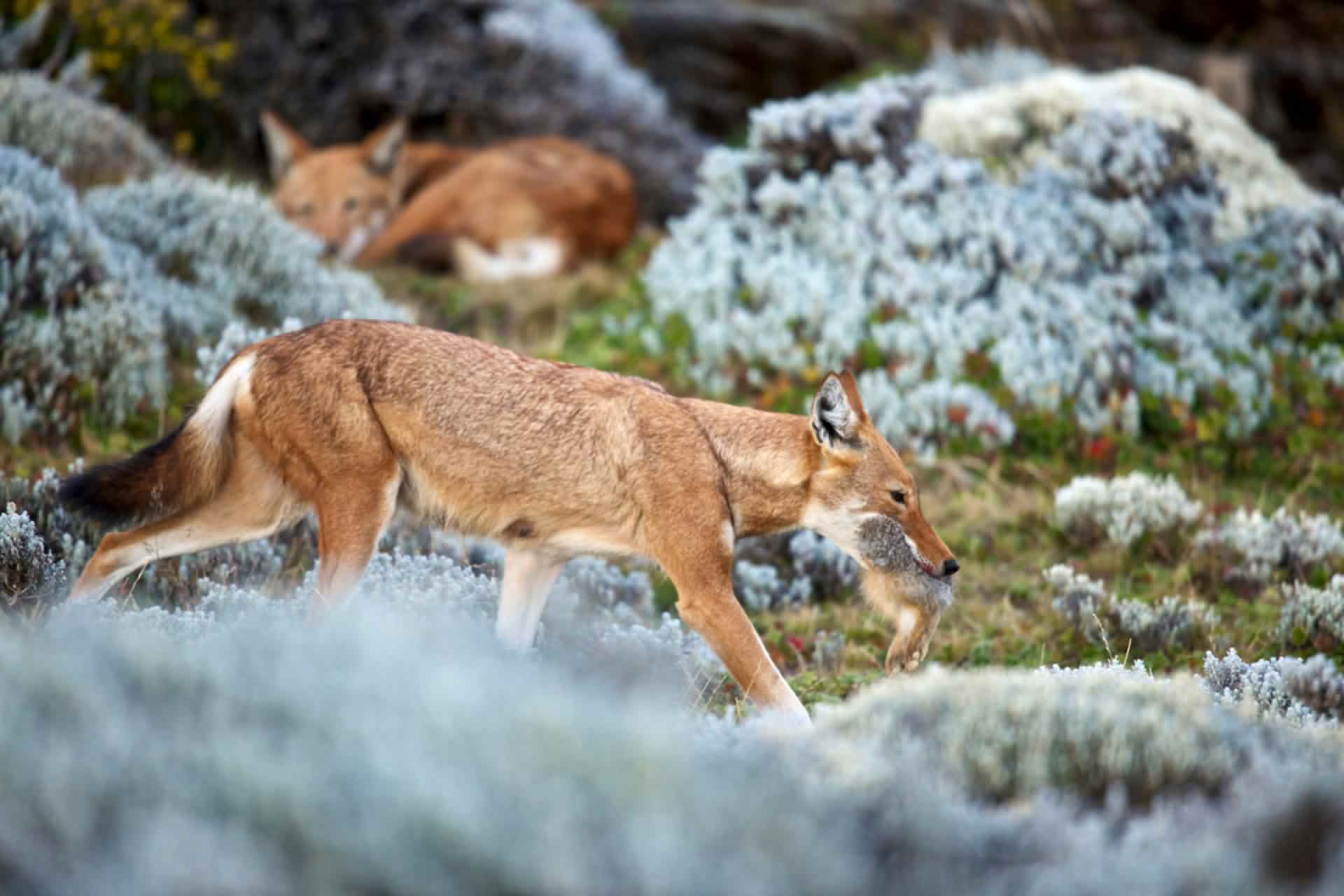
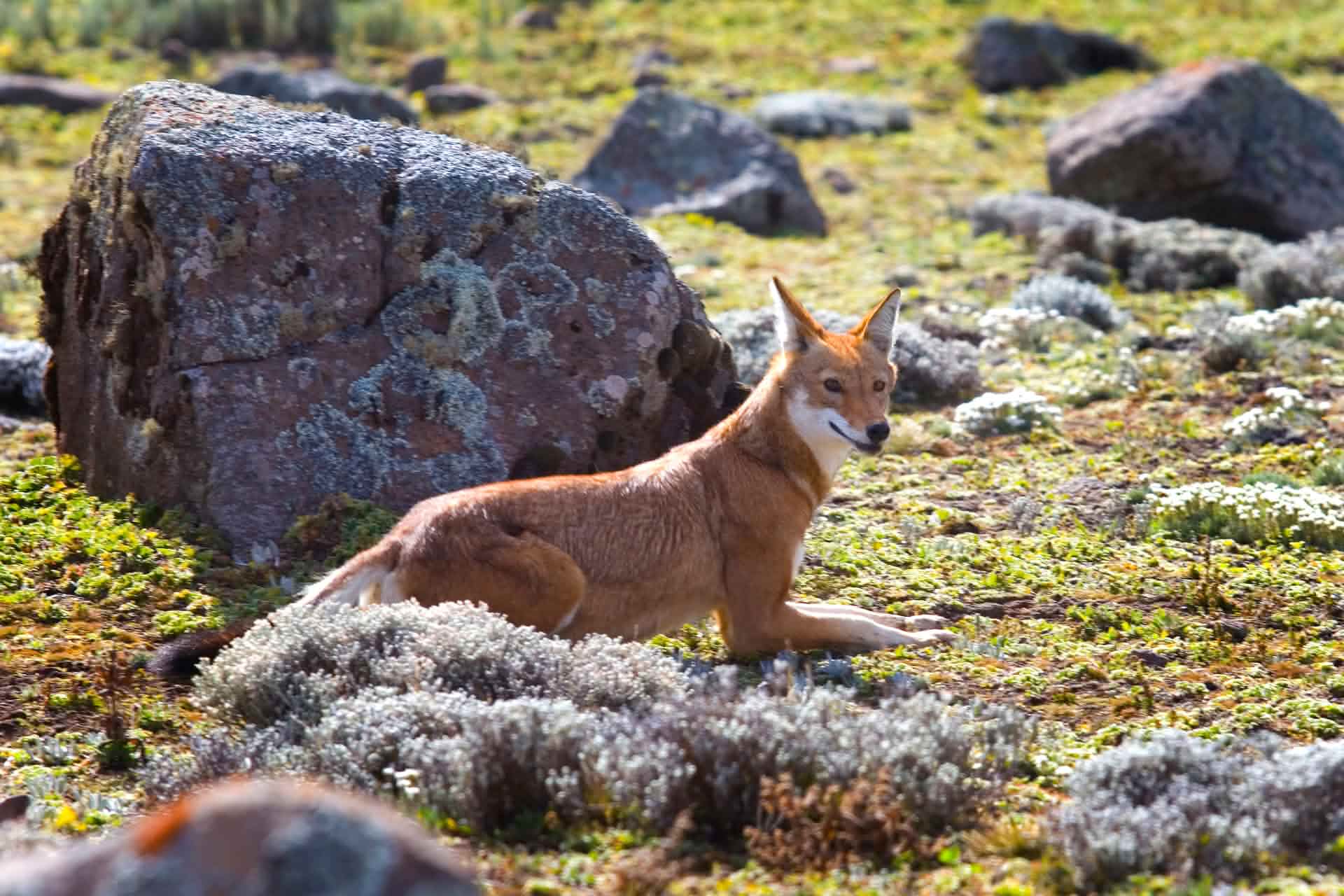
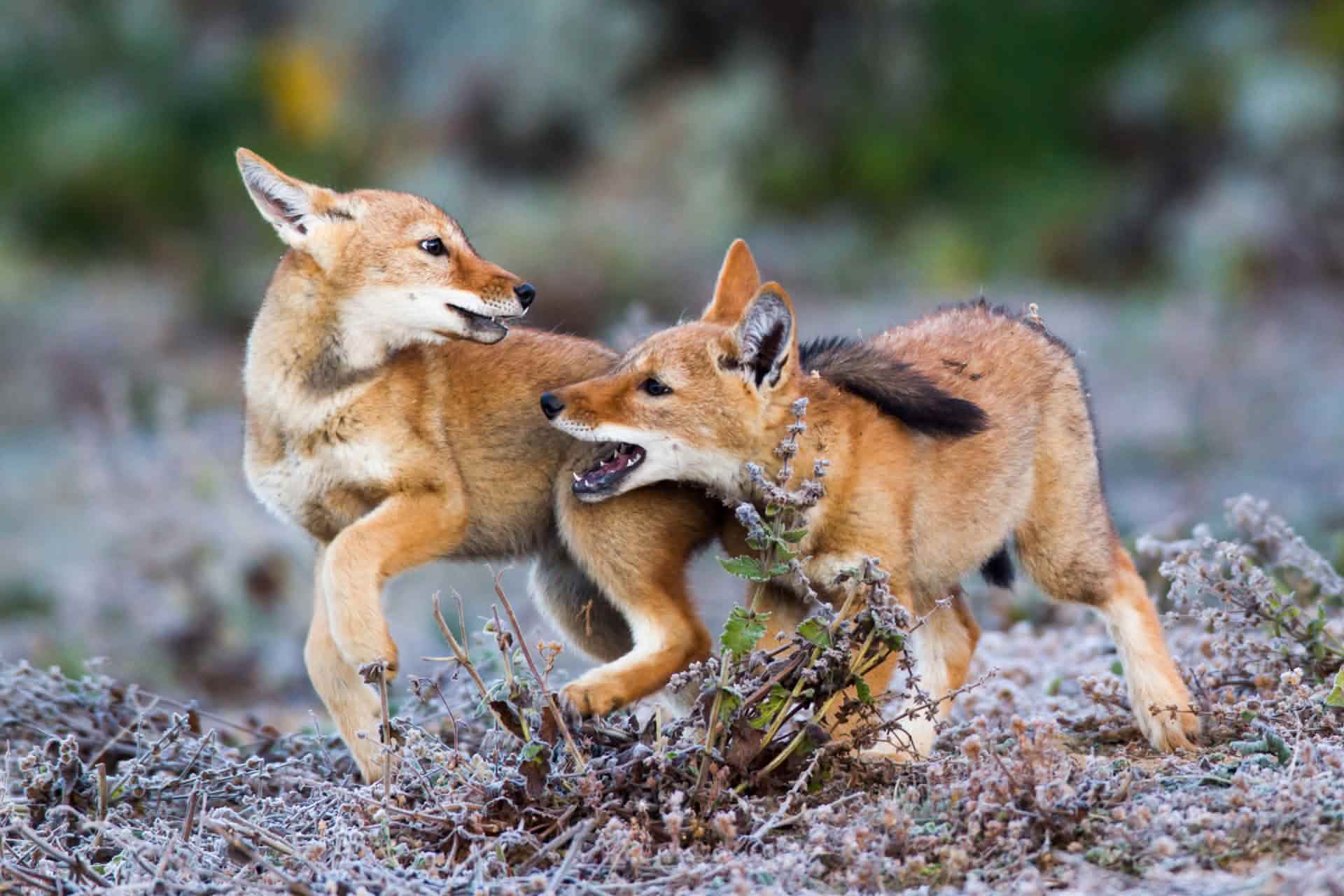
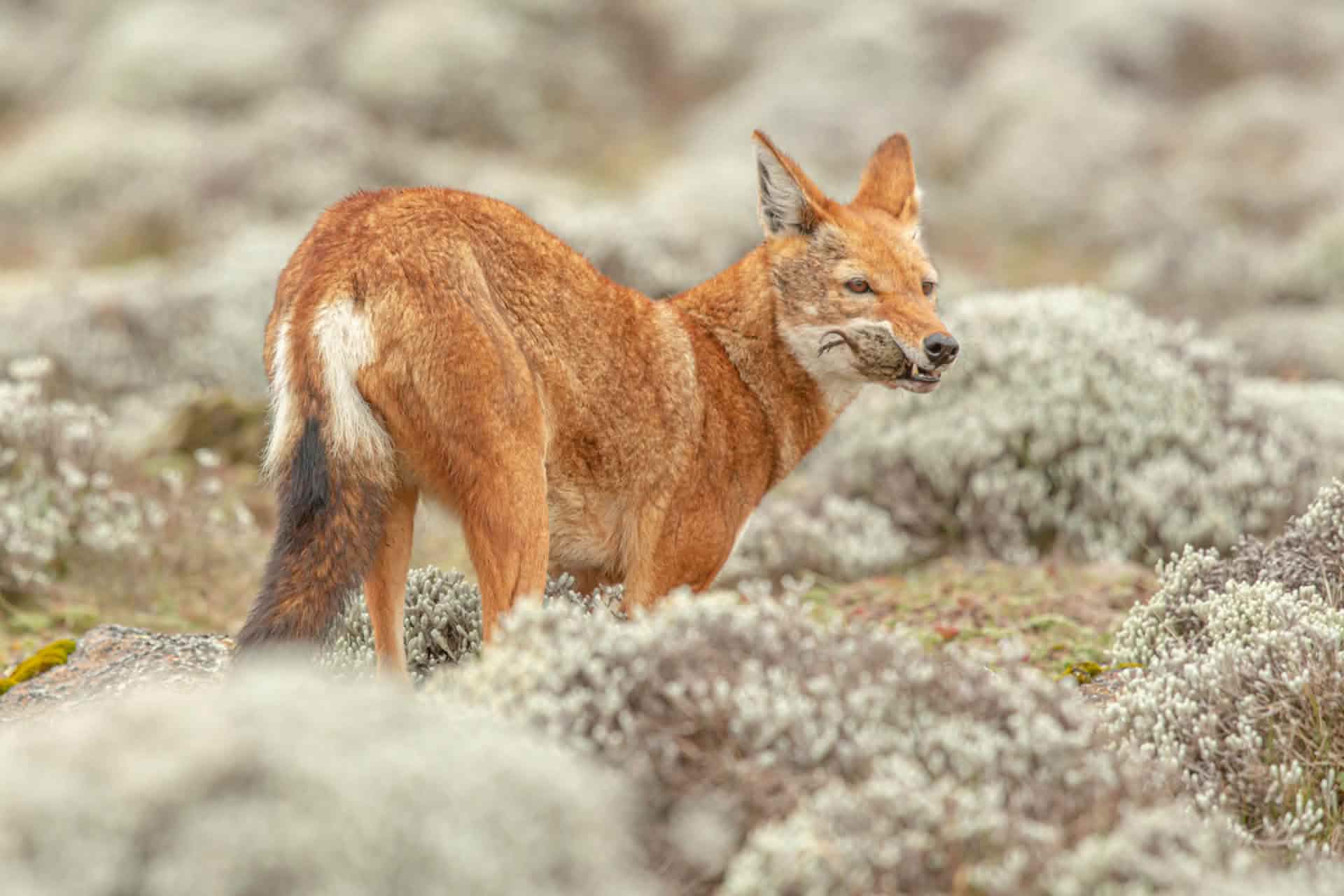
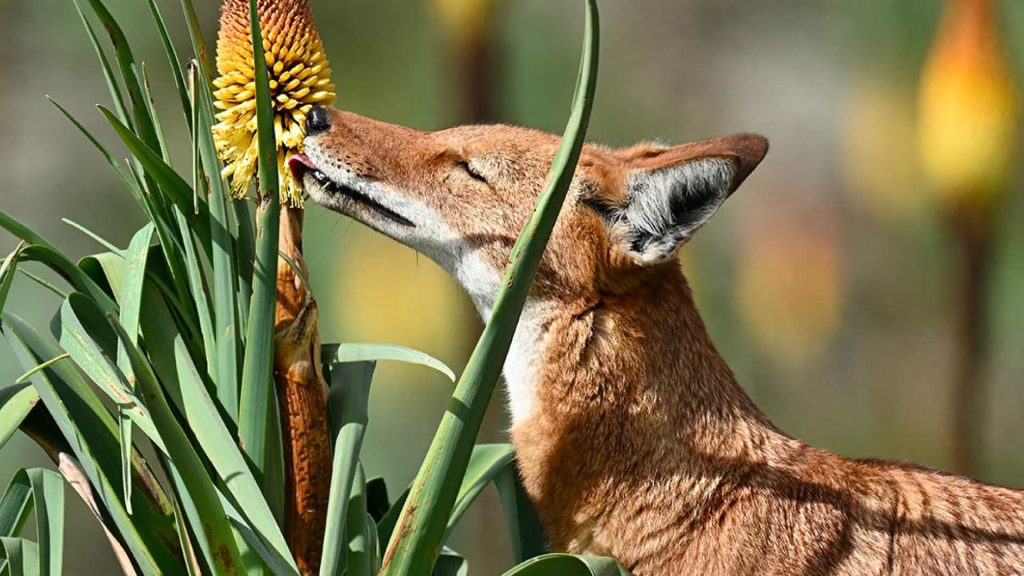
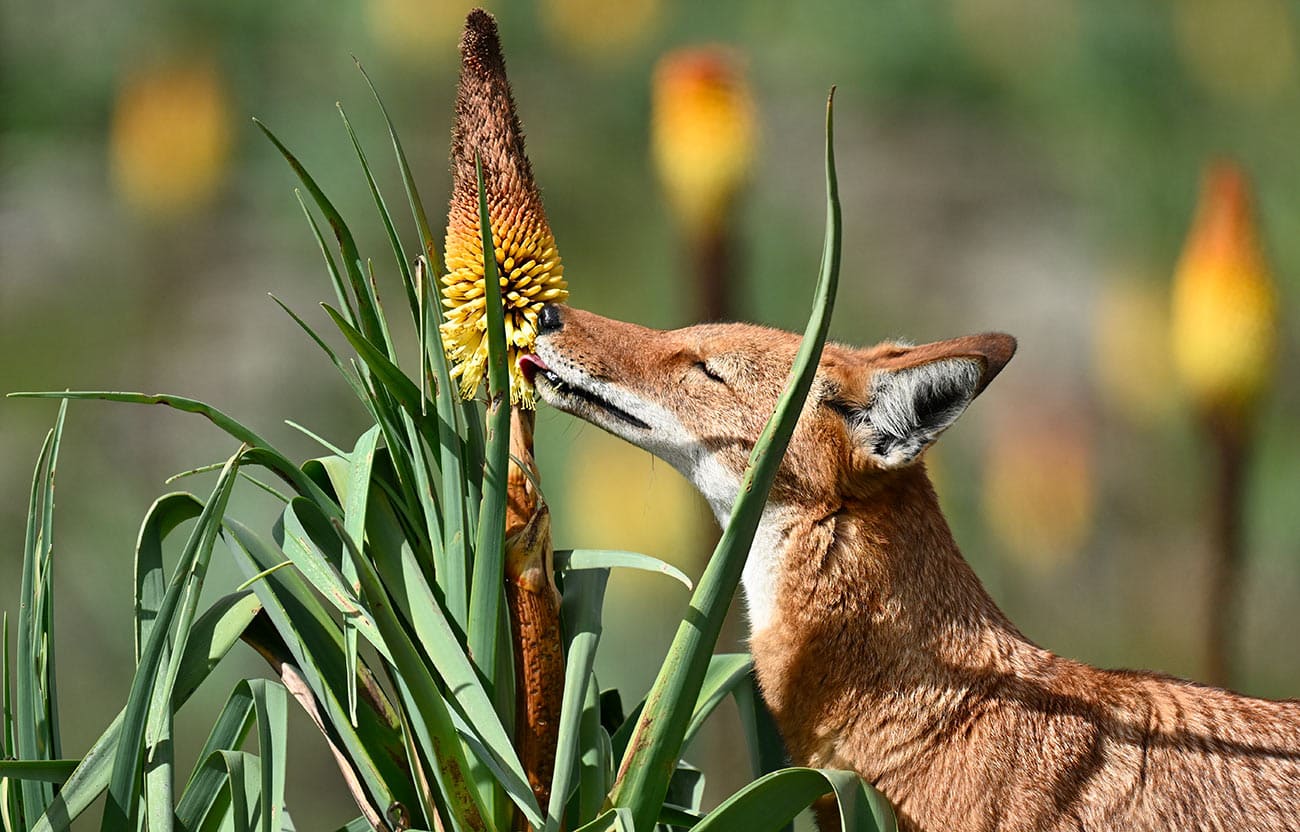
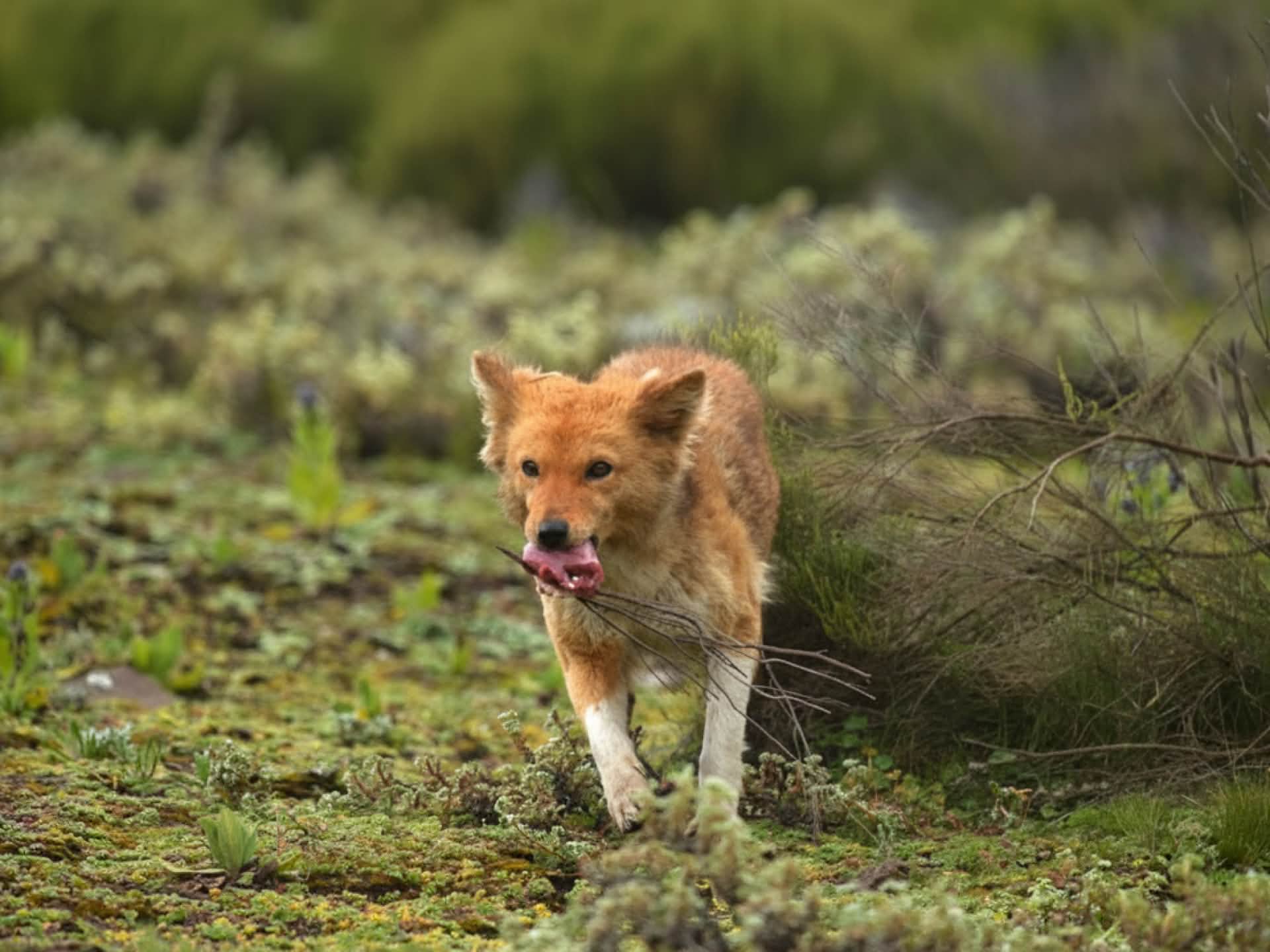
The Ethiopian wolf is Africa’s most endangered carnivore and the world’s rarest canid. With fascinating social lives, distinctive red coats, and fragile status, Ethiopian wolves motivate conservationists, scientists, and supporters from around the world to save them from extinction.
EWCP recognizes the importance of Ethiopian wolves as a flagship species. To protect this species, they promote the conservation and sustainable use of the Afroalpine ecosystem, on which present and future generations of Ethiopians also depend.
Protect Ethiopian Wolves
With WCN’s 100% model, your entire gift supports the conservationists working to protect Ethiopian Wolves in the wild.
Ethiopian Wolves:
Ethiopian Wolf Conservation Program (EWCP)
Choose an amount to donate:
454
Adult Ethiopian Wolves
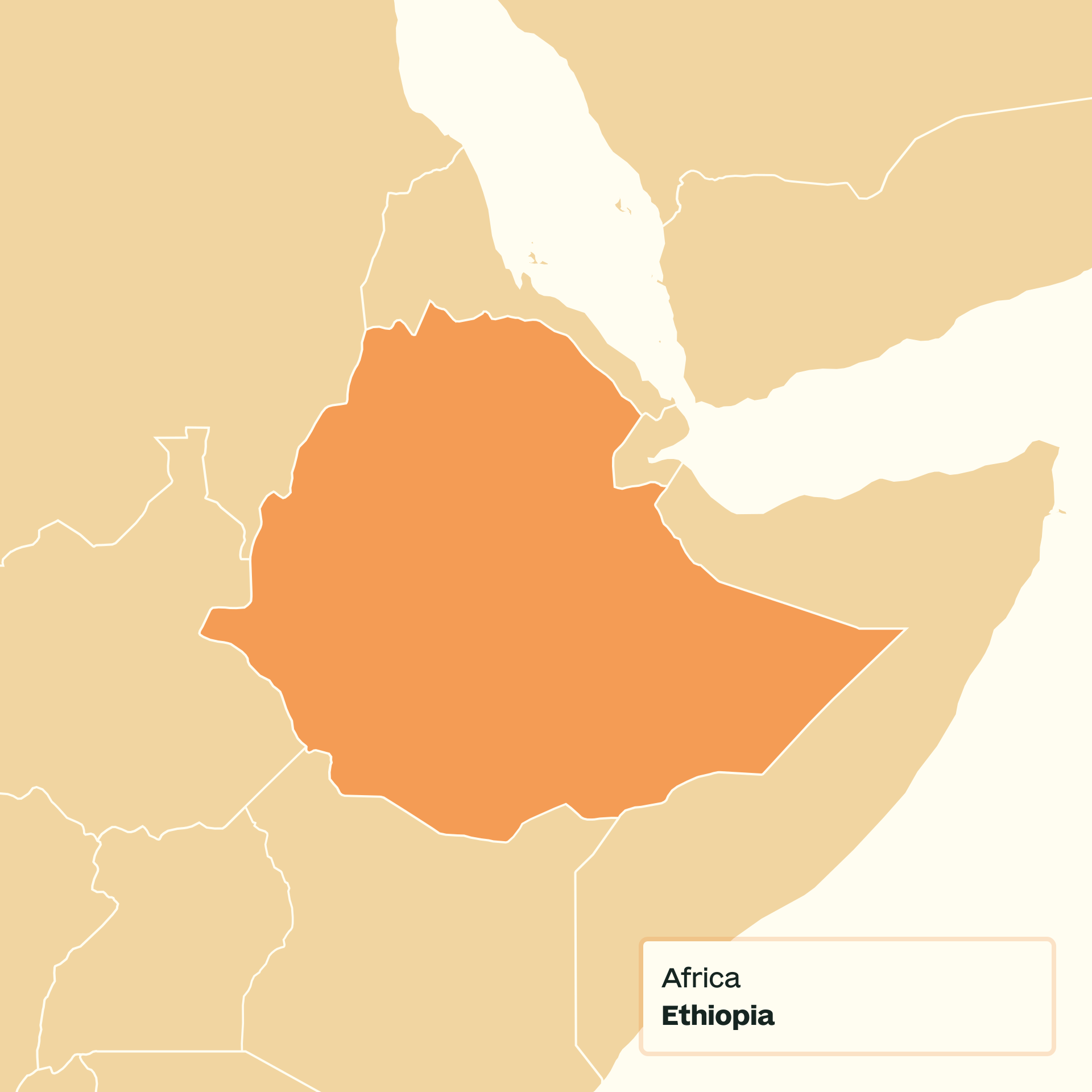
Across six isolated populations in the Ethiopian highlands, based on population estimates published in 2024. The species remains not only the world’s rarest canid, but Africa’s rarest carnivore.
8,500+
People Reached
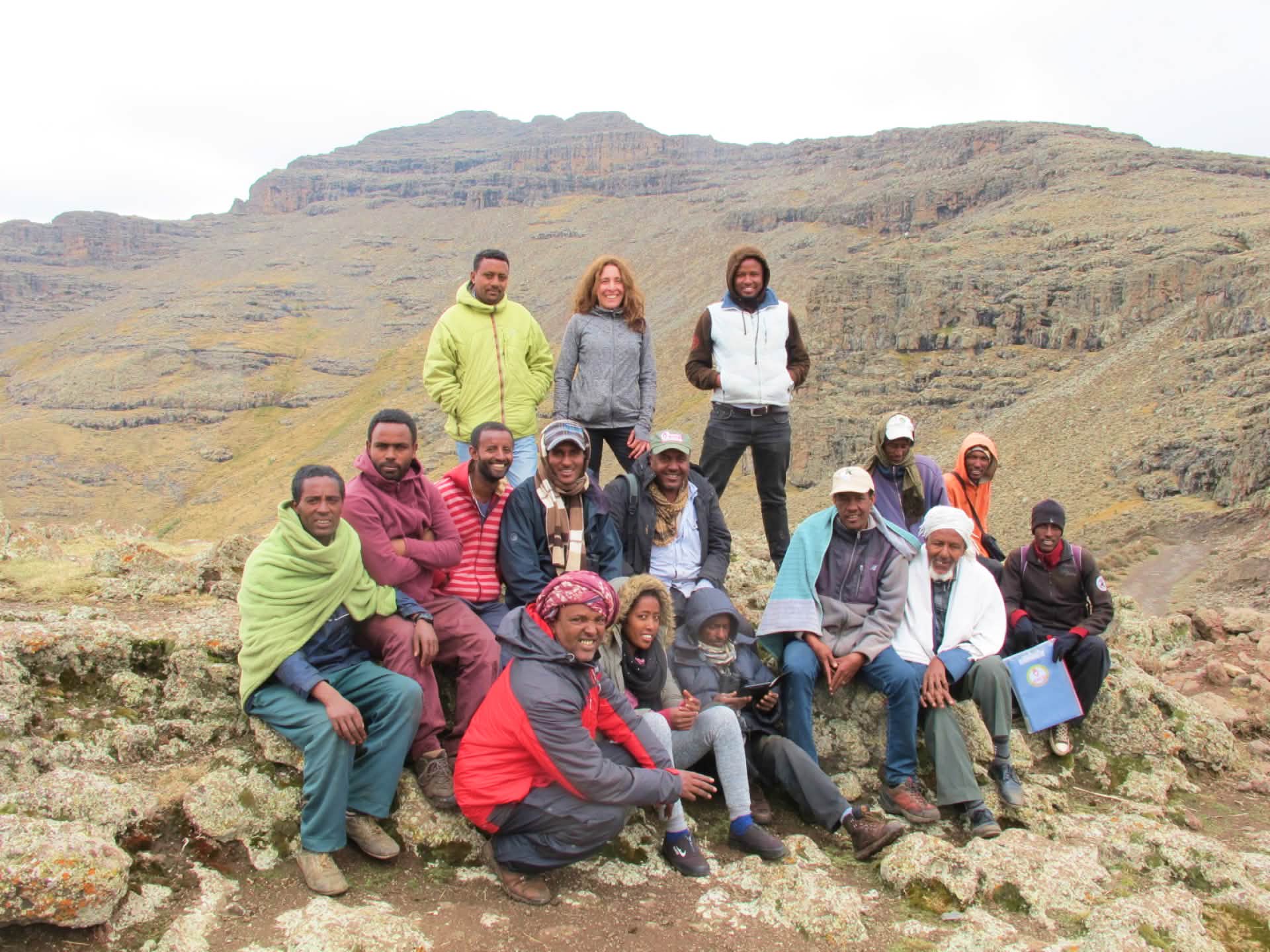
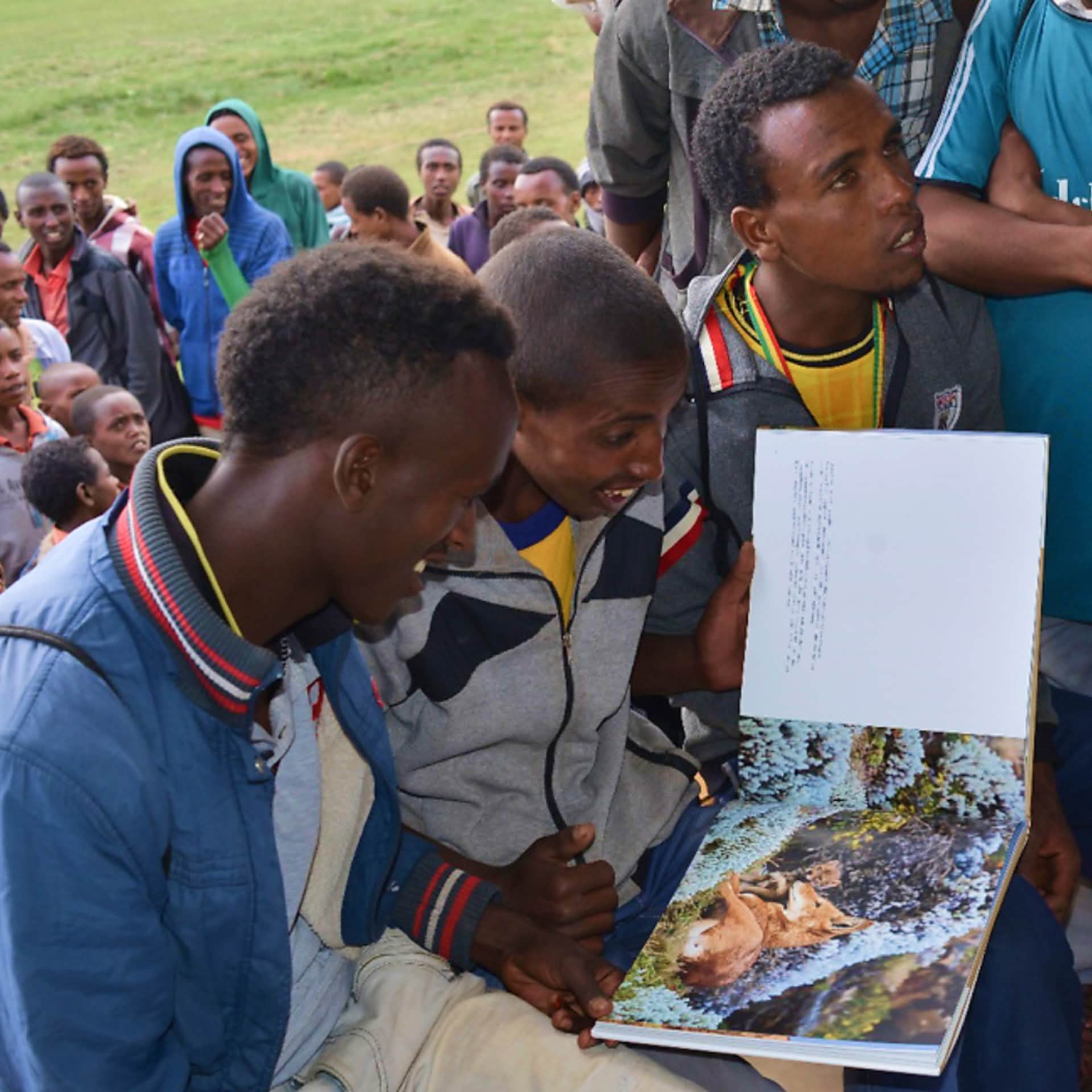
Through EWCP’s education programs in 2025 to educate Ethiopians on disease prevention for domestic animals, training local “Wolf Ambassadors” to monitor populations, and promoting sustainable livelihoods to reduce habitat encroachment.
Key Education & Awareness Initiatives:
40+
Wolves Vaccinated
in 2025 against threats of rabies and canine distemper virus, across 14 different packs. This work has already provided vaccination coverage for nearly 10% of all wolves in Ethiopia.
Solutions in Action

Thriving People
Biodiversity Friendly Futures
EWCP’s Biodiversity Friendly Futures program creates opportunities for local communities to create sustainable livelihoods in Ethiopia via innovative approaches, such as Highland honey. Highland honey is a traditional product from the Ethiopian highlands, with a unique taste and aroma. Families and working cooperatives install bee hives and sell them in local markets, keeping some for their own use.


Thriving Nature & Wildlife
One Health
One Health recognizes the connection between the health of people, domestic animals, wildlife, and ecosystems. Embracing a One Health vision, EWCP focuses on diseases impacting Ethiopian wolves, including rabies and canine distemper. EWCP routinely vaccinates over 3,000 domestic dogs a year against these diseases to reduce the risk of transmission between Ethiopian wolves, livestock, and people.

Thriving Wildlife
Restoring Habitats
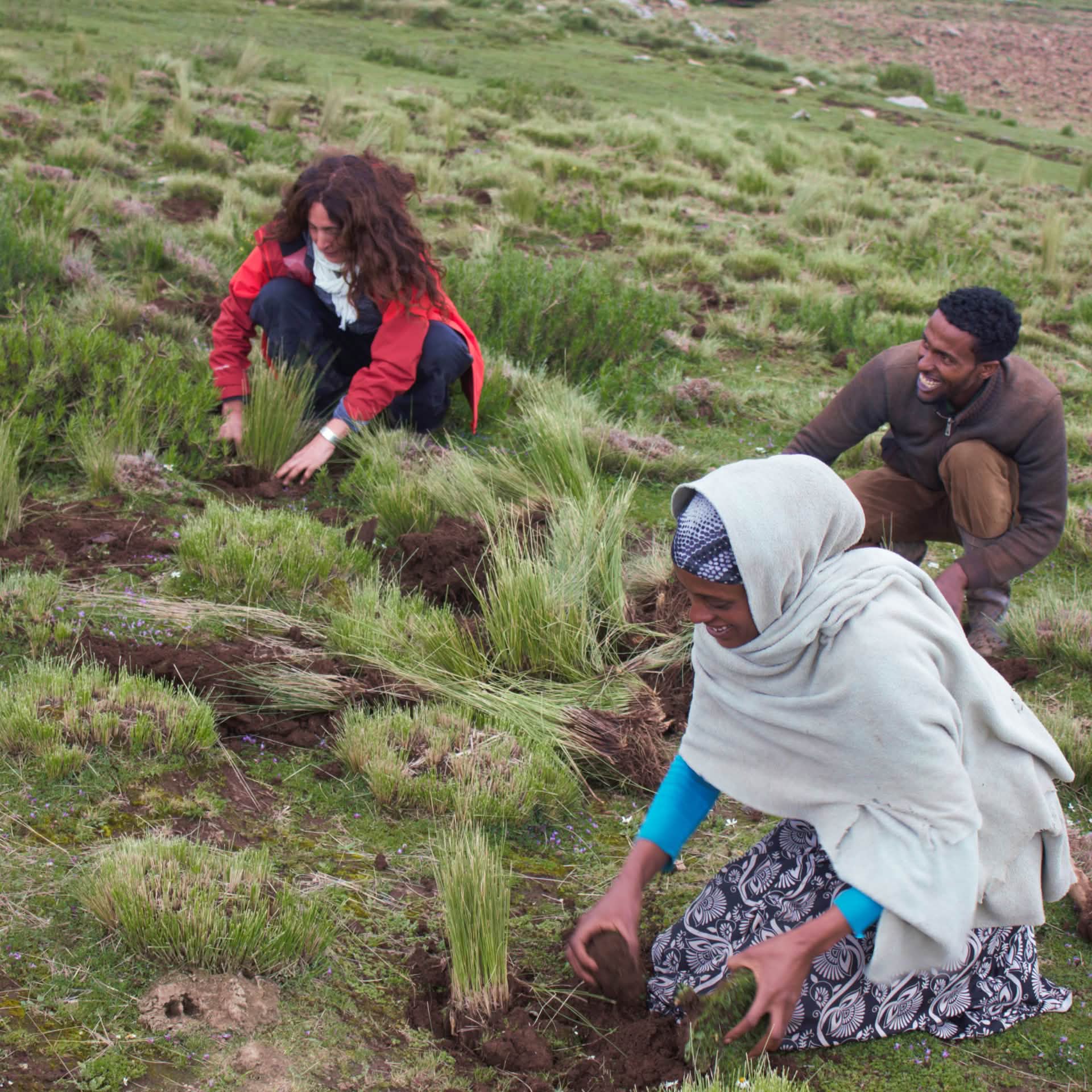
EWCP’s Guassa gardens program spreads a native species of grass to reduce erosion and preserve soil humidity, and provide food and shelter for small rodents, boosting prey availability for wolves. Guassa is valued as a versatile material for thatching, weaving, rope, and livestock fodder, so it provides income and resources to local families.

Quote"We are excited for what the future holds, as we work to promote the conservation of Ethiopia’s unique natural heritage and ecosystem services, concentrating our efforts at the local level, but aspiring to have an impact at national level, and hopefully with experiences and lessons learnt reaching out far beyond."
Dr. Girma Eshete, Field Director Ethiopian Wolf Conservation Program