
The Saiga Conservation Alliance (SCA) works across the saiga’s range to secure its future.
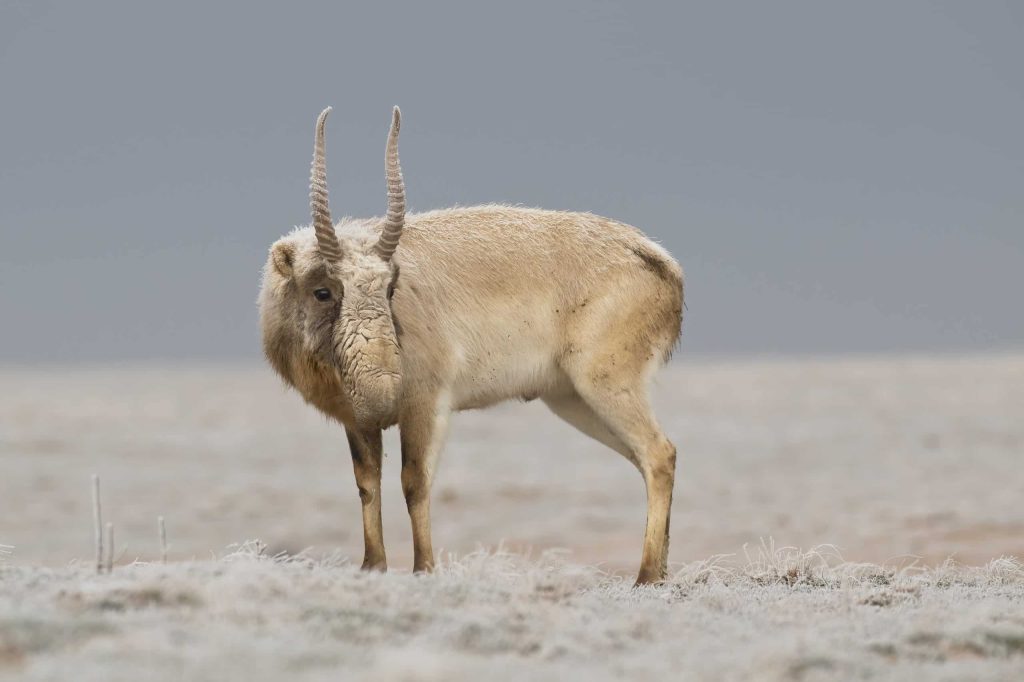
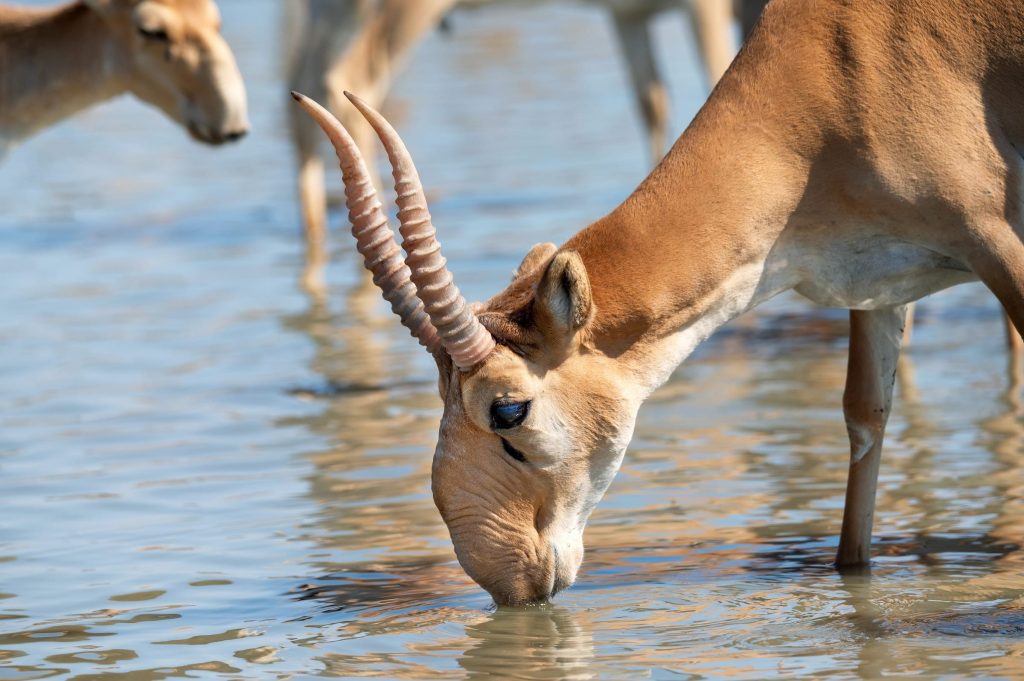
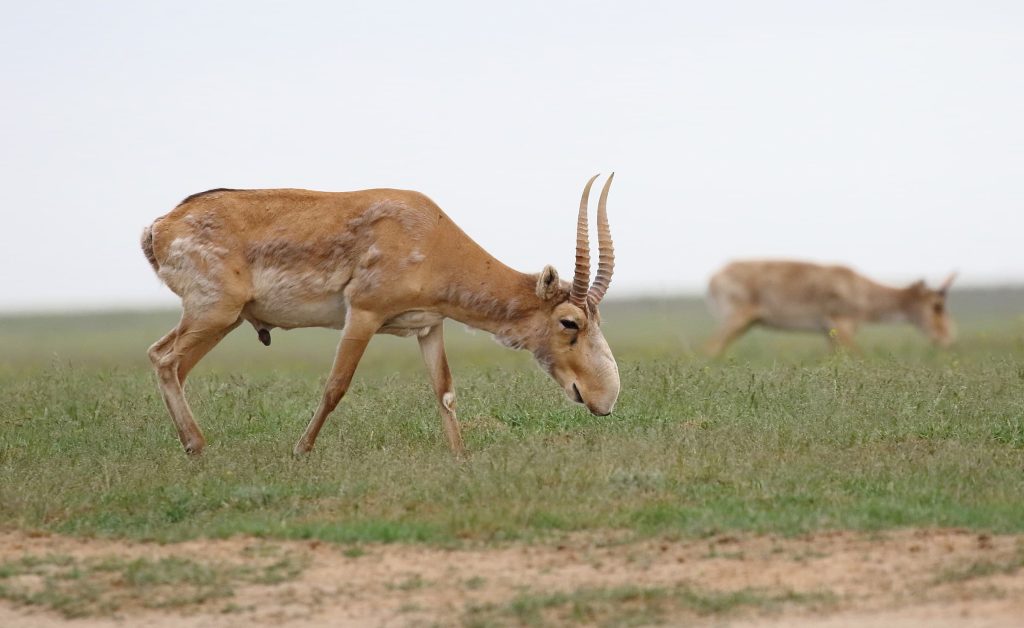
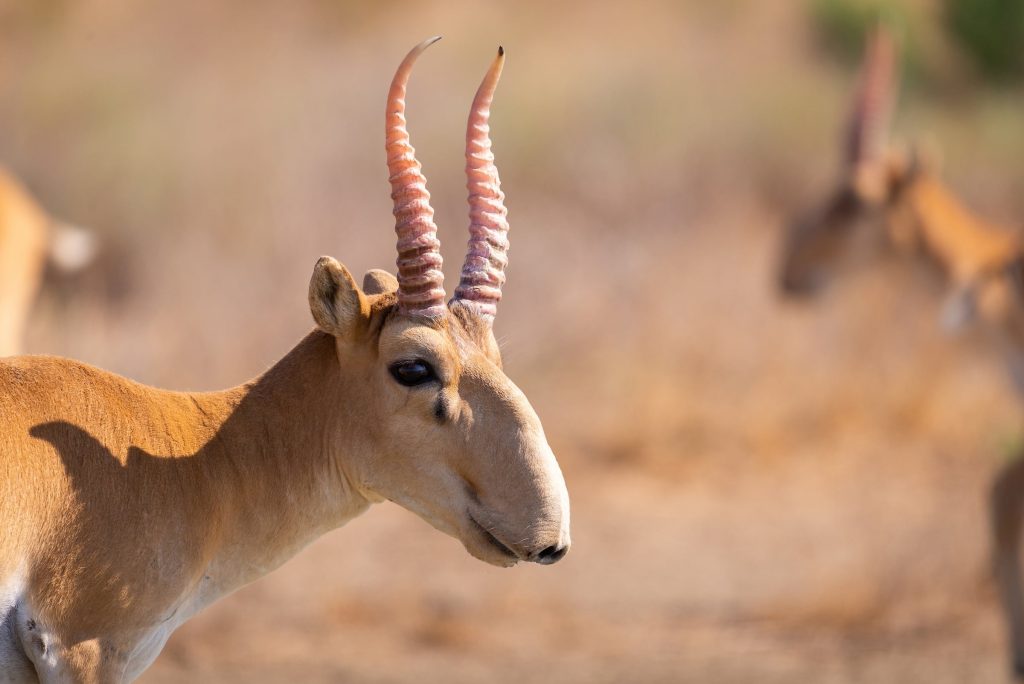
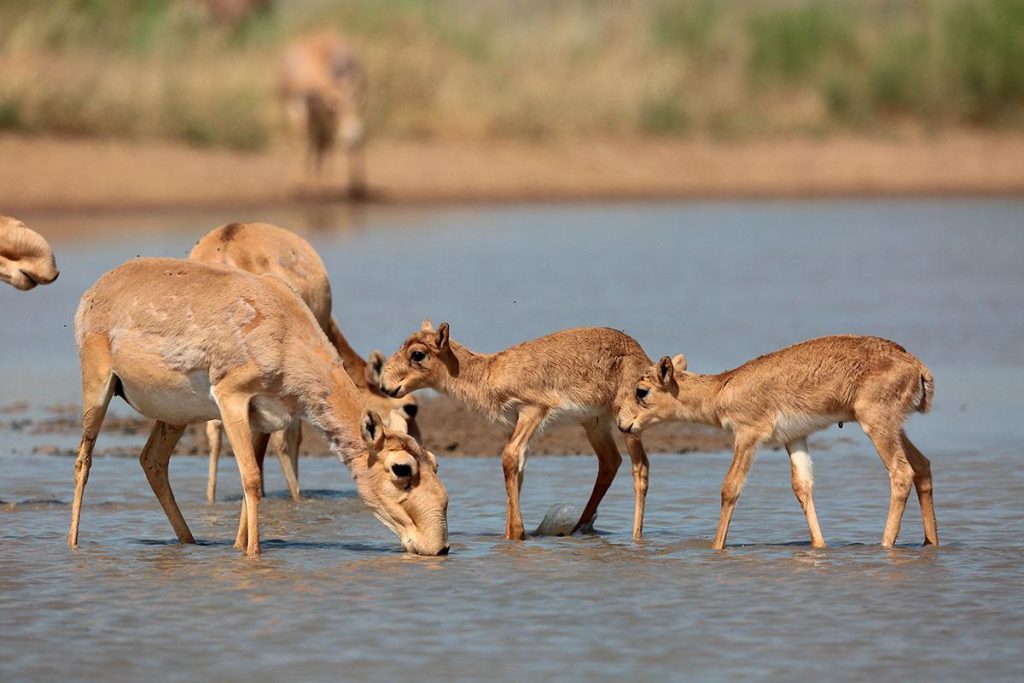
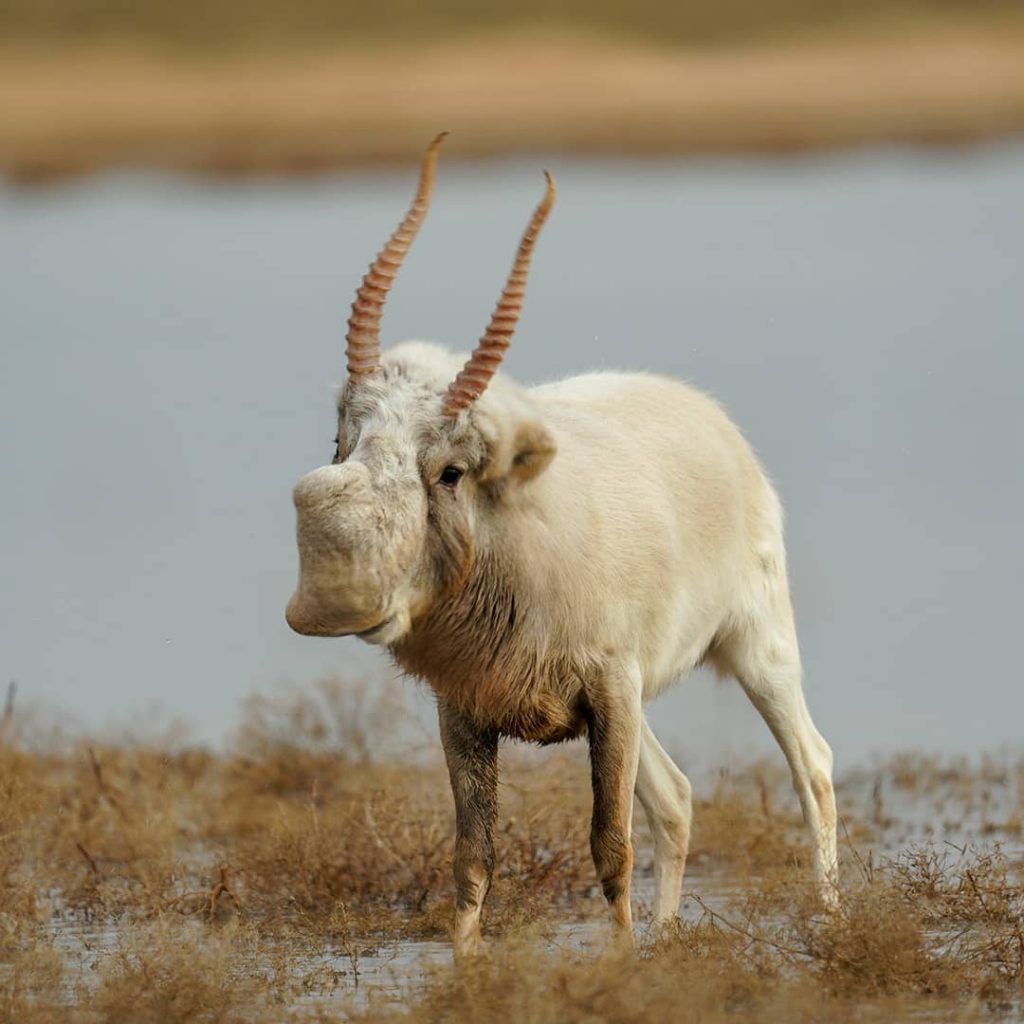
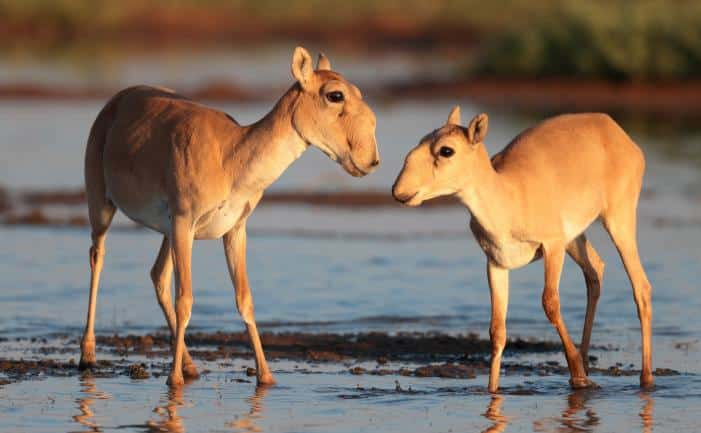
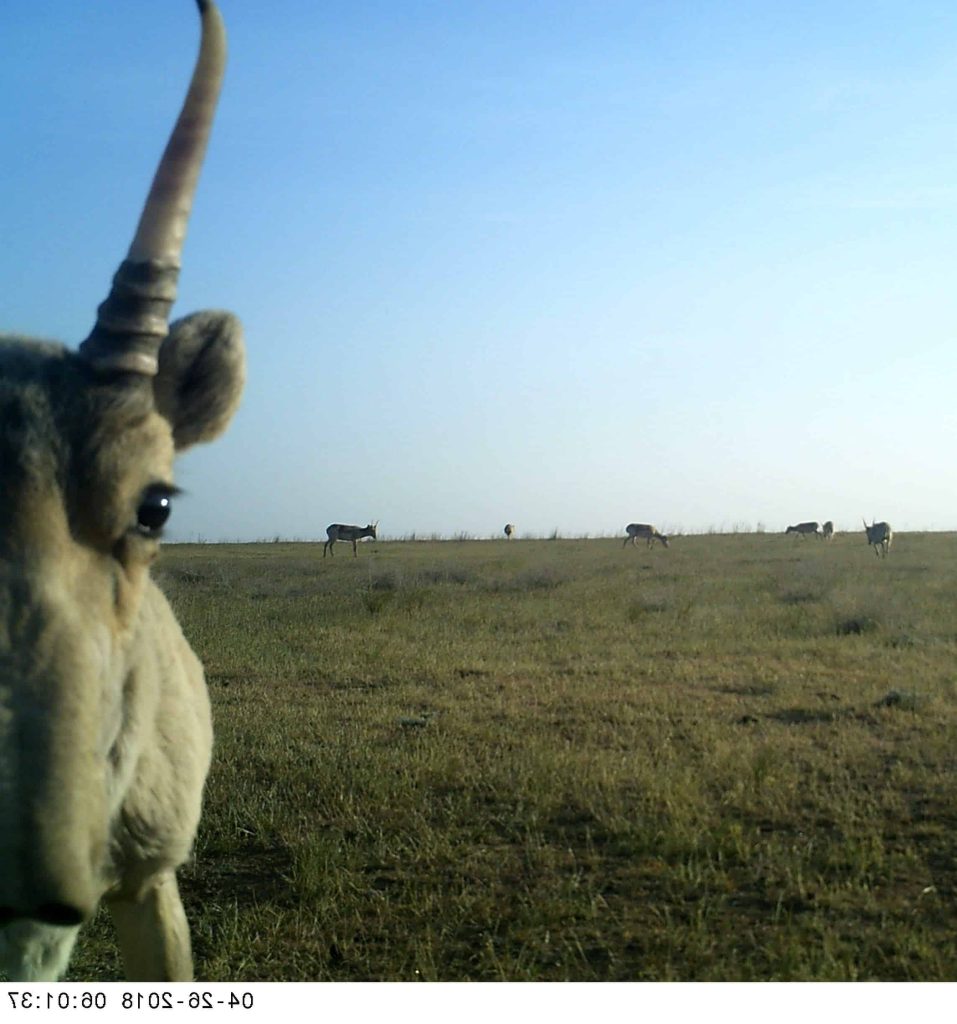
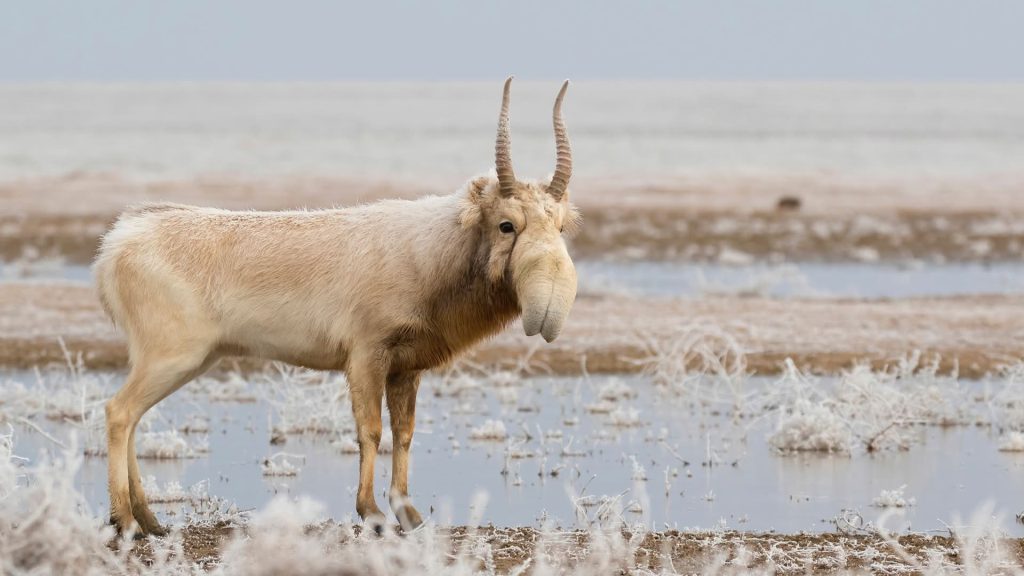
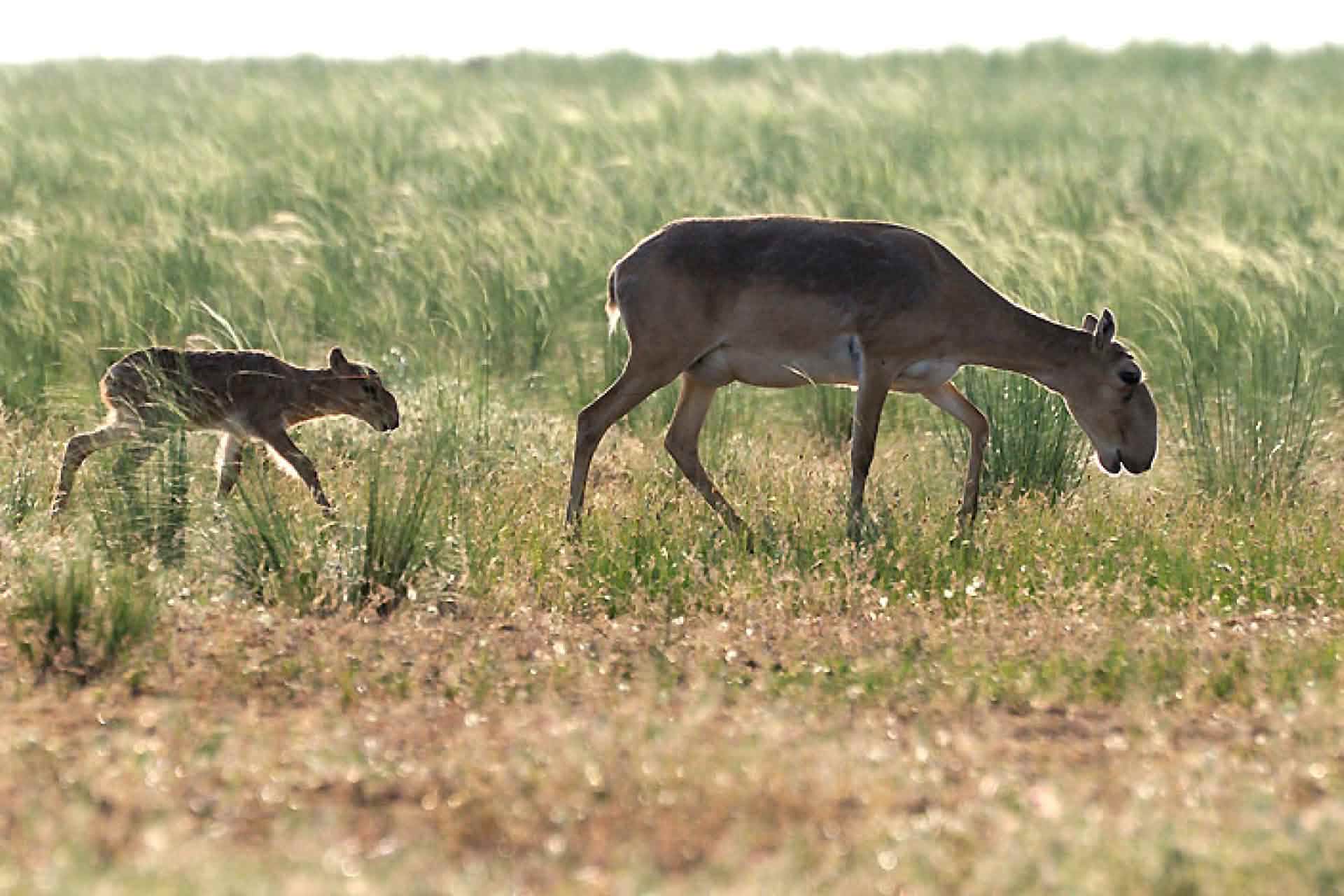
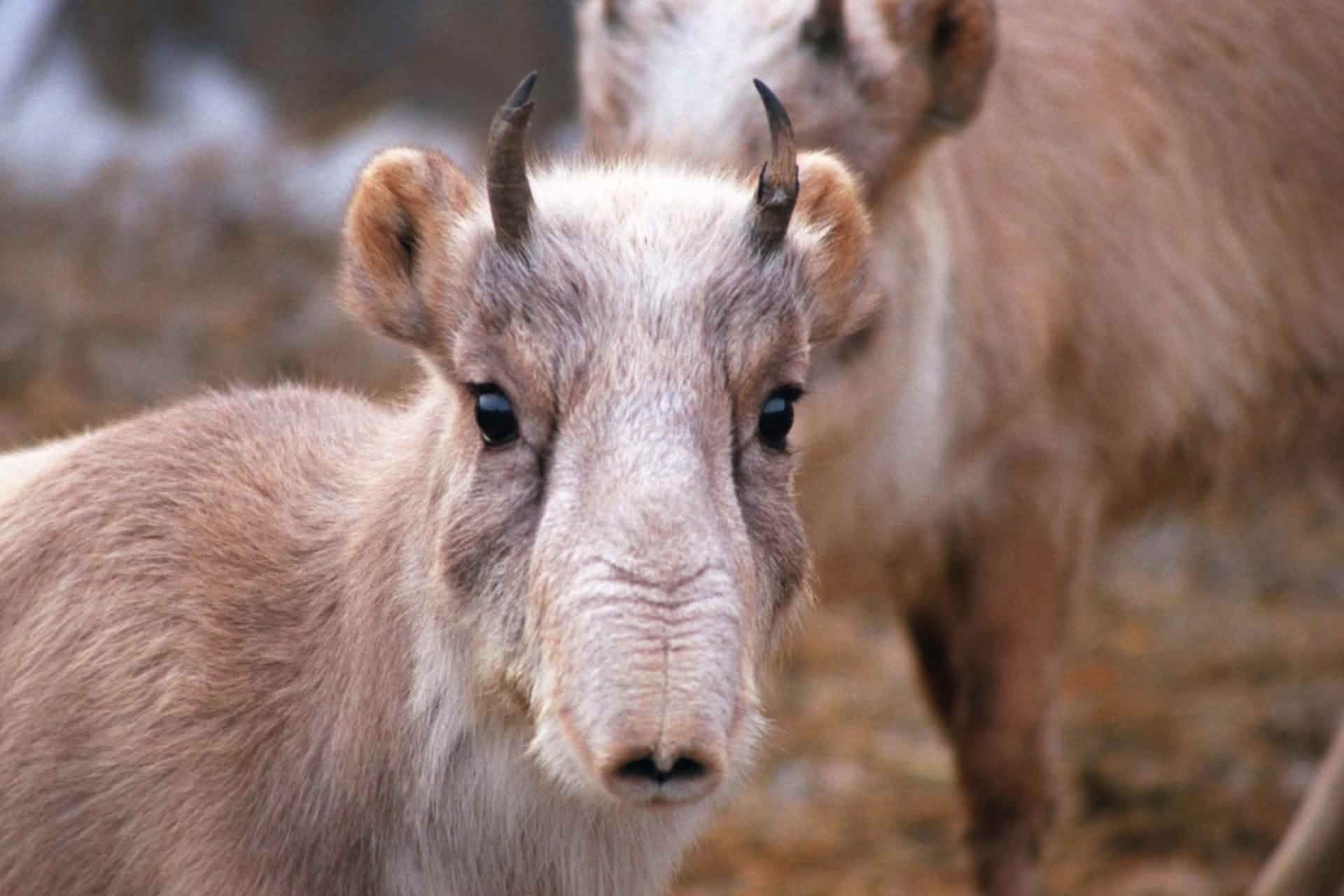
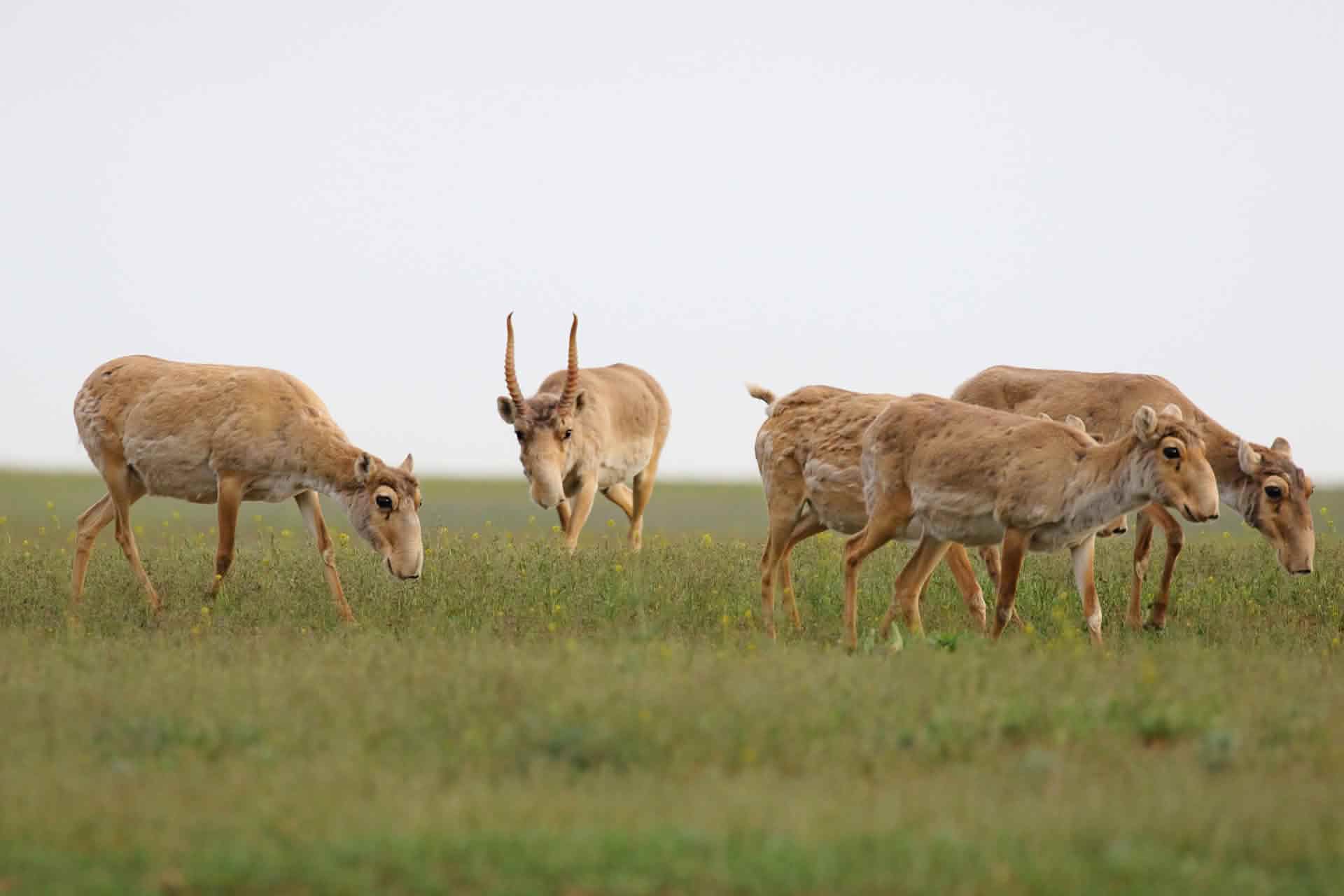
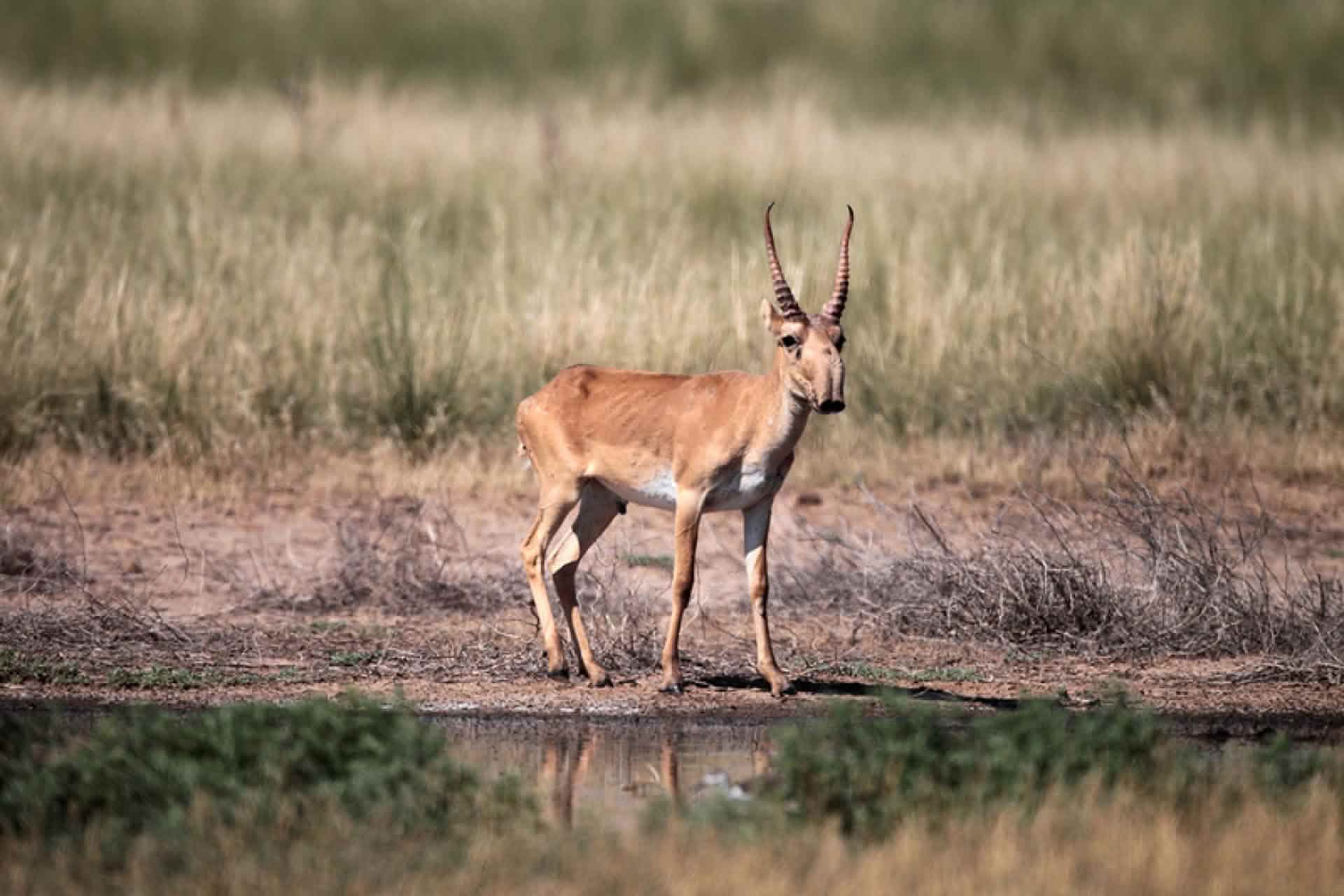
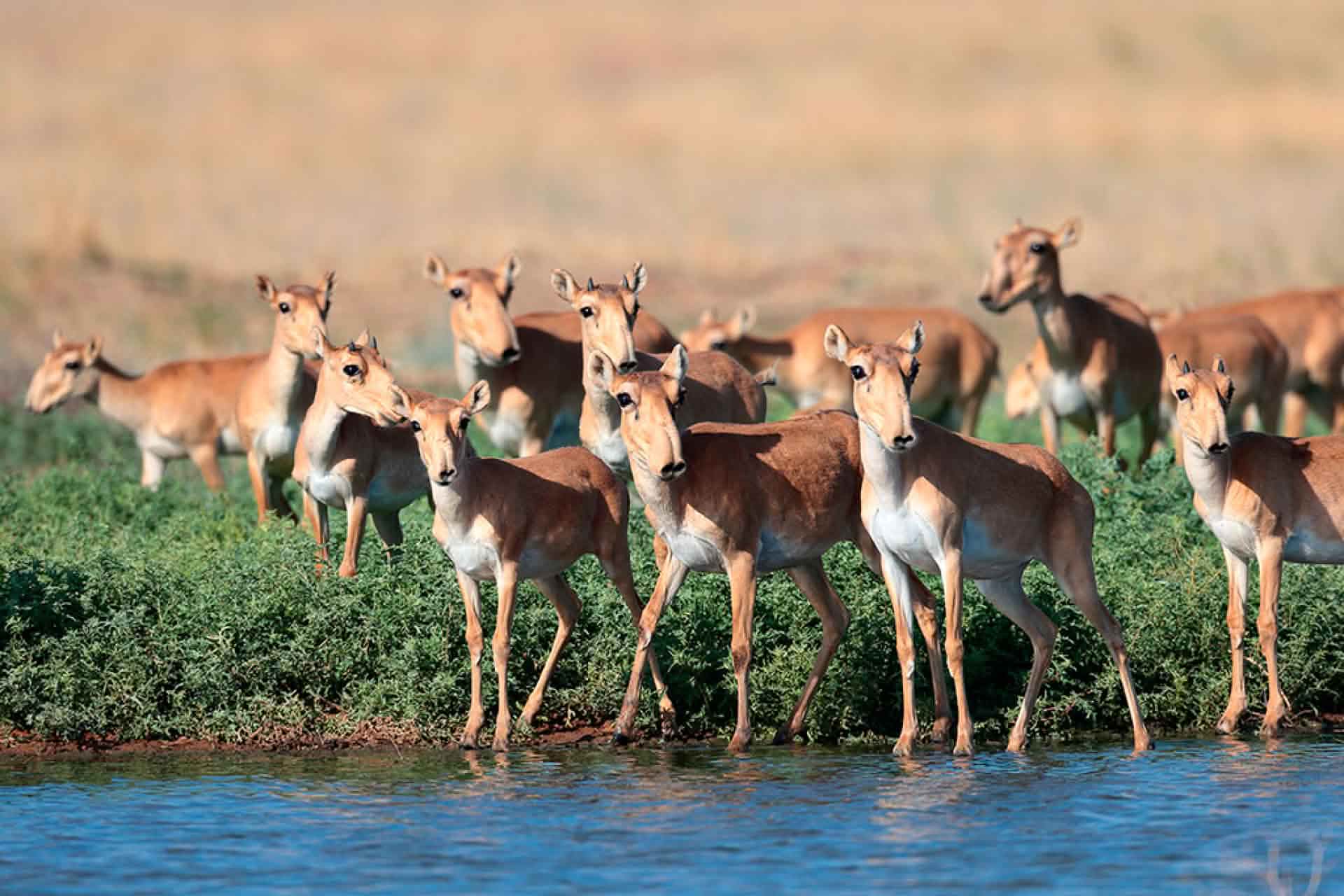
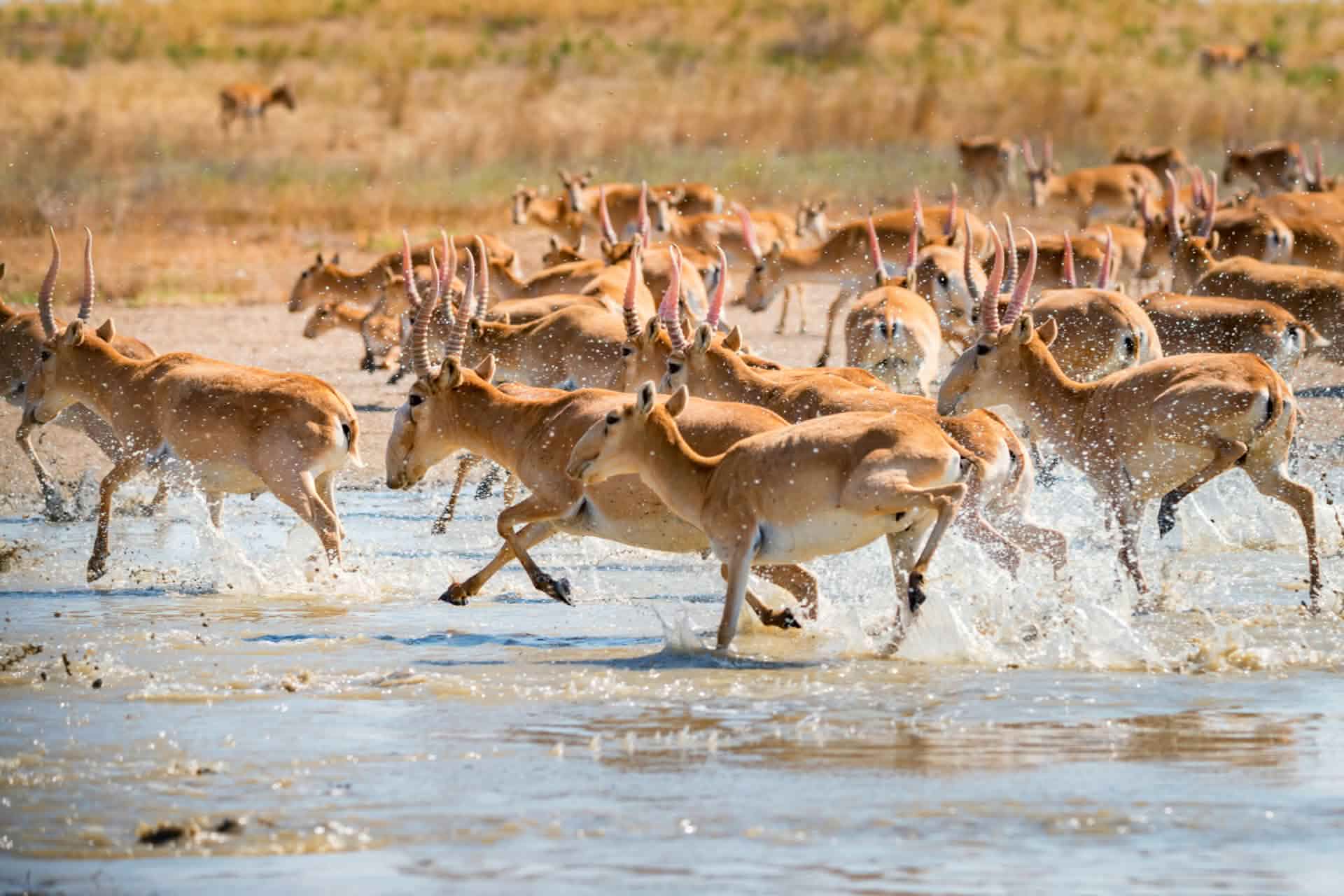
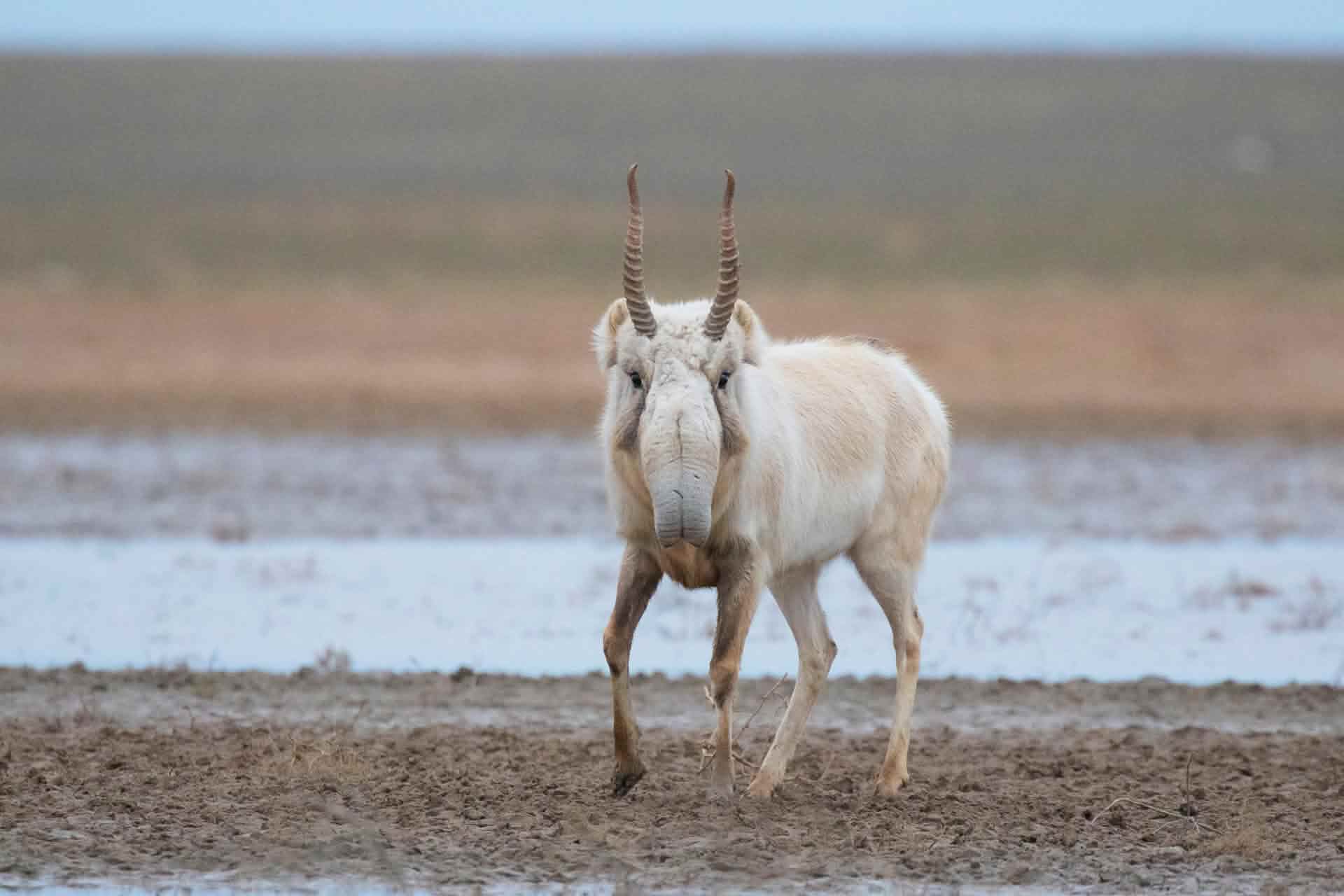
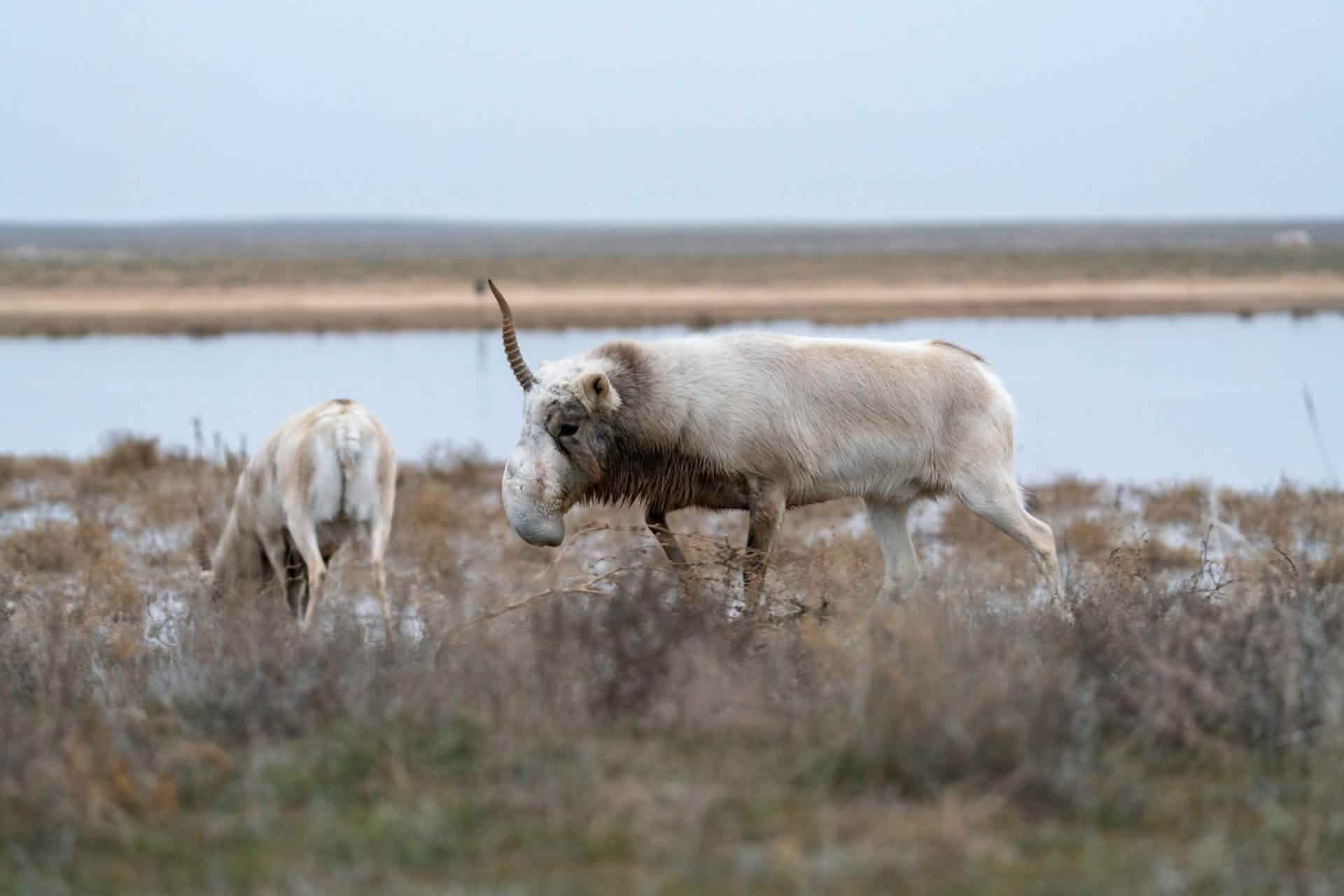
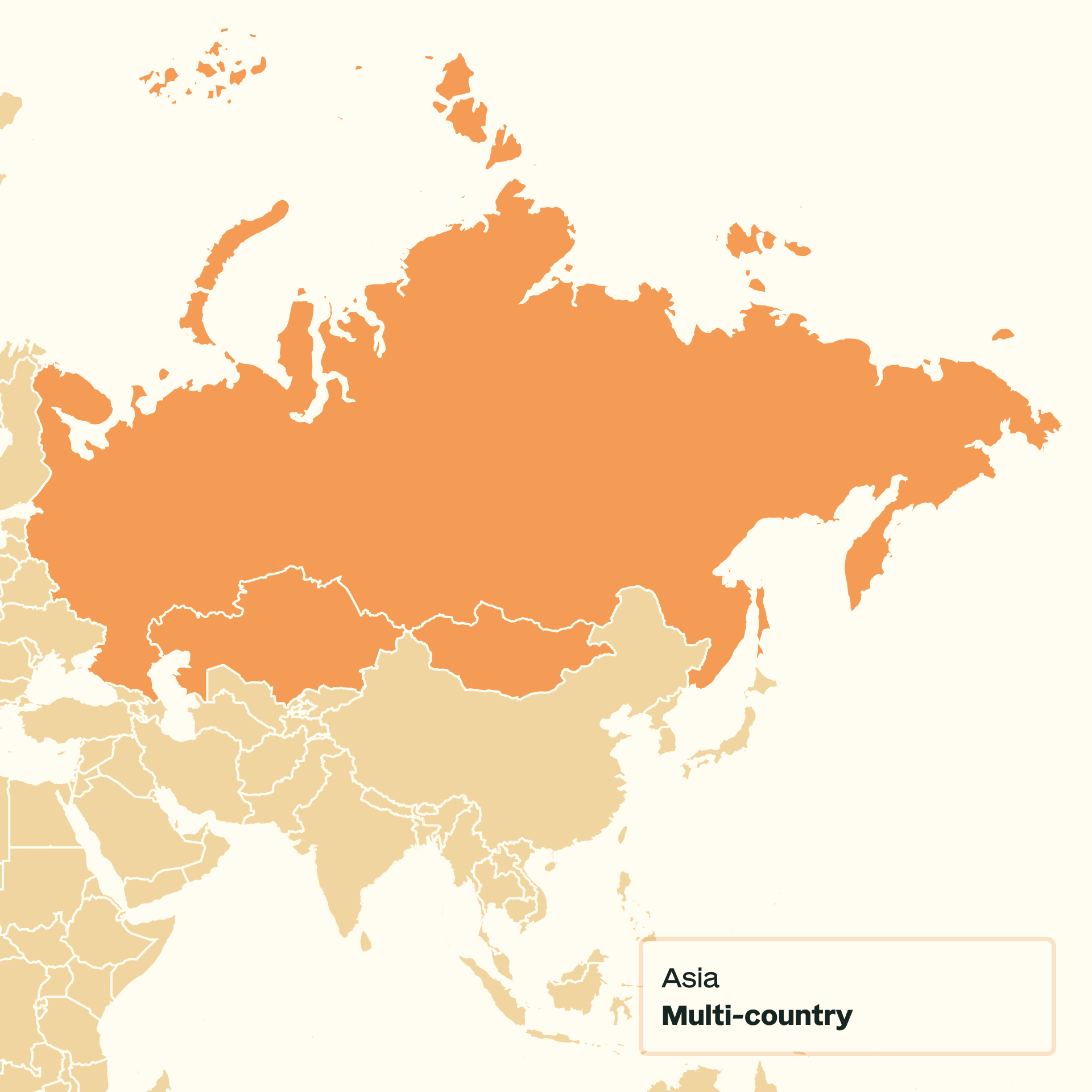
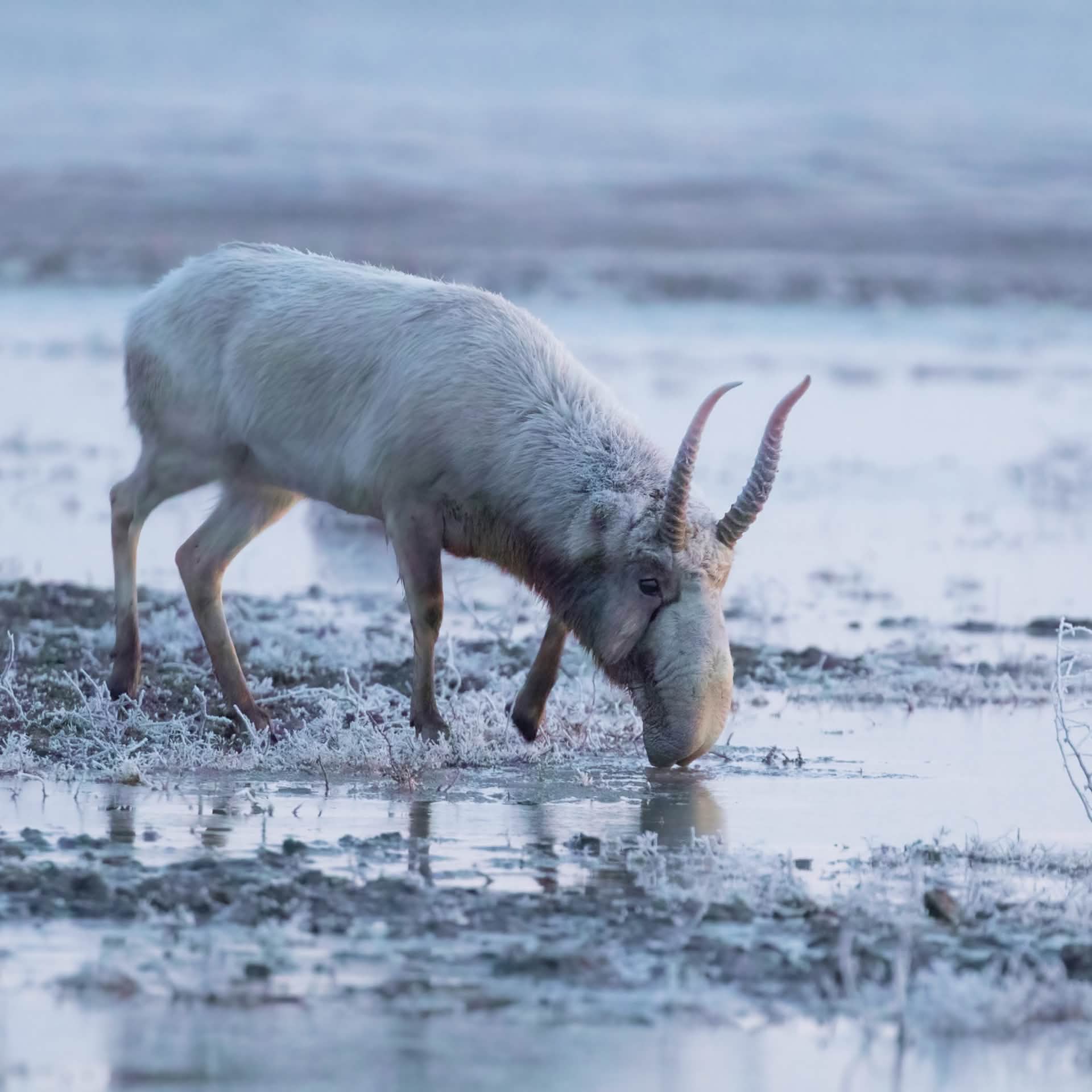
Resembling a character from a Dr. Seuss book, the saiga antelope has evolved to be perfectly adapted to its life in the steppe and semi-arid desert of Central Asia. It is a relic of Ice Age fauna that included mammoths and saber-tooth cats. The saiga lives in some of the harshest land in the world and migrates long distances between summer and winter lands.
Herds of saiga once numbered in the millions, but today only 160,000 survive. The saiga population crashed by 95% in fifteen years, the fastest decline ever recorded for a mammal species. Saigas are hunted for their meat and their horns, which are believed to have medicinal purposes. The fate of the saiga was closely tied to the economic downfall of the USSR in 1991, which resulted in the collapse of rural economies and in turn led to widespread unemployment and poverty. Saiga poaching provided a source of food and income. Saiga grazing is also threatened by increasing livestock numbers.
The Saiga Conservation Alliance (SCA) works across the saiga’s range to secure its future. Recently, the saiga population has begun to increase again, thanks in large part to the efforts of SCA.
Protect Saigas
With WCN’s 100% model, your entire gift supports the conservationists working to protect saigas in the wild.
Saiga Antelope:
Saiga Conservation Alliance (SCA)
Choose an amount to donate:
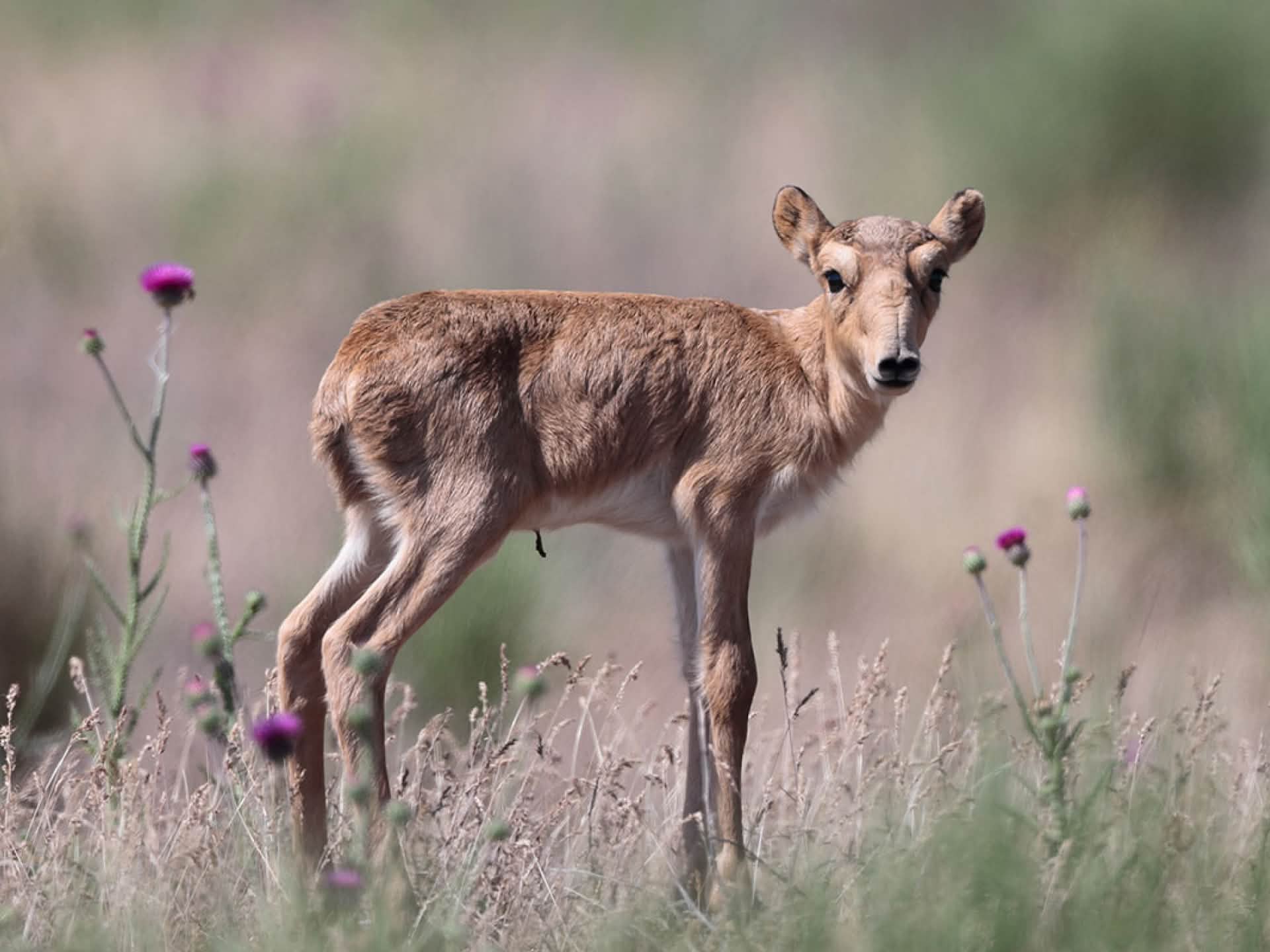
2.8 Million
Saiga
Saiga populations in Kazakhstan have surged from 48,000 in 2005 to over 2.8 million this year
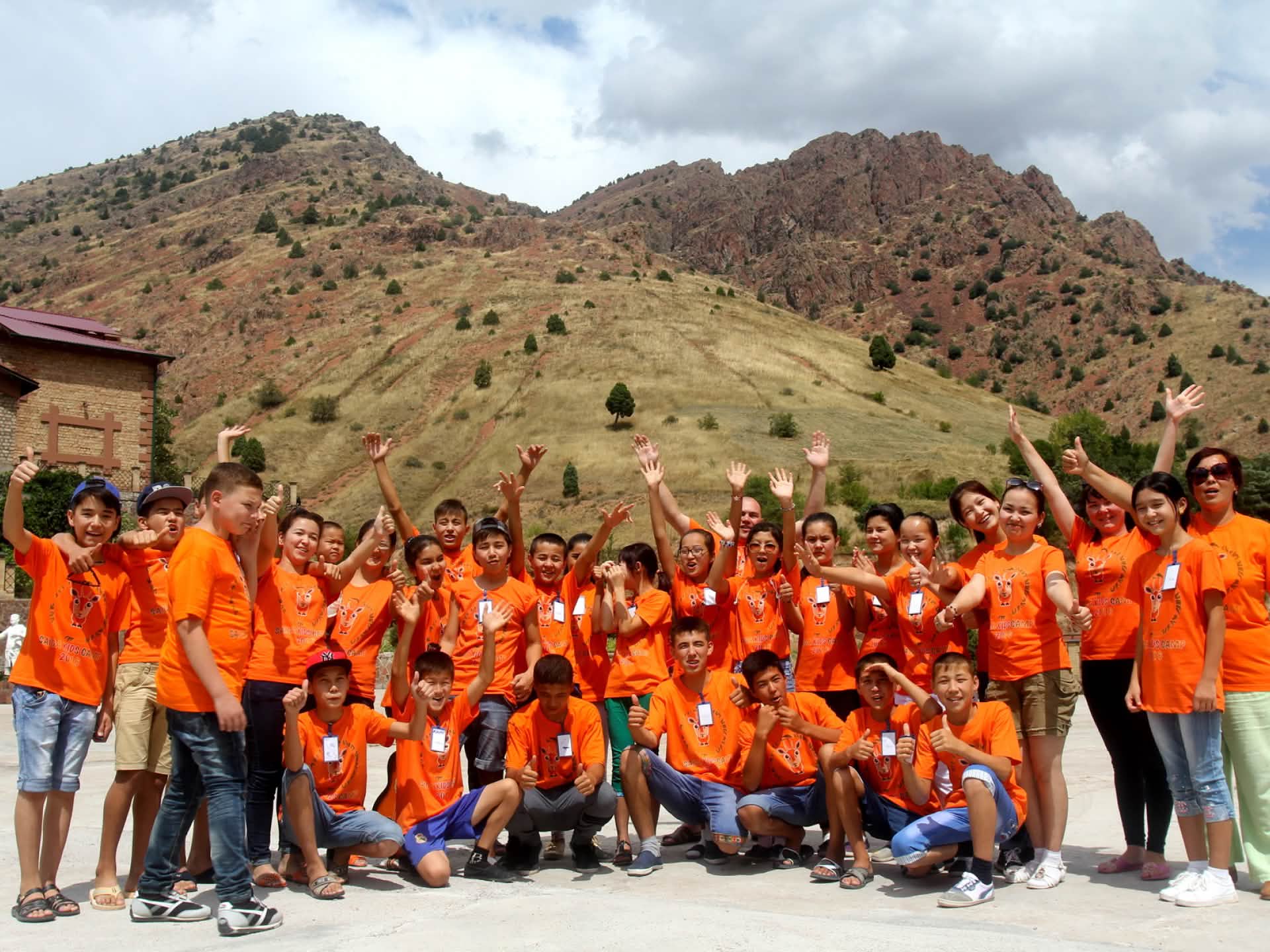
1,600
People
Educated through SCA’s education programs.
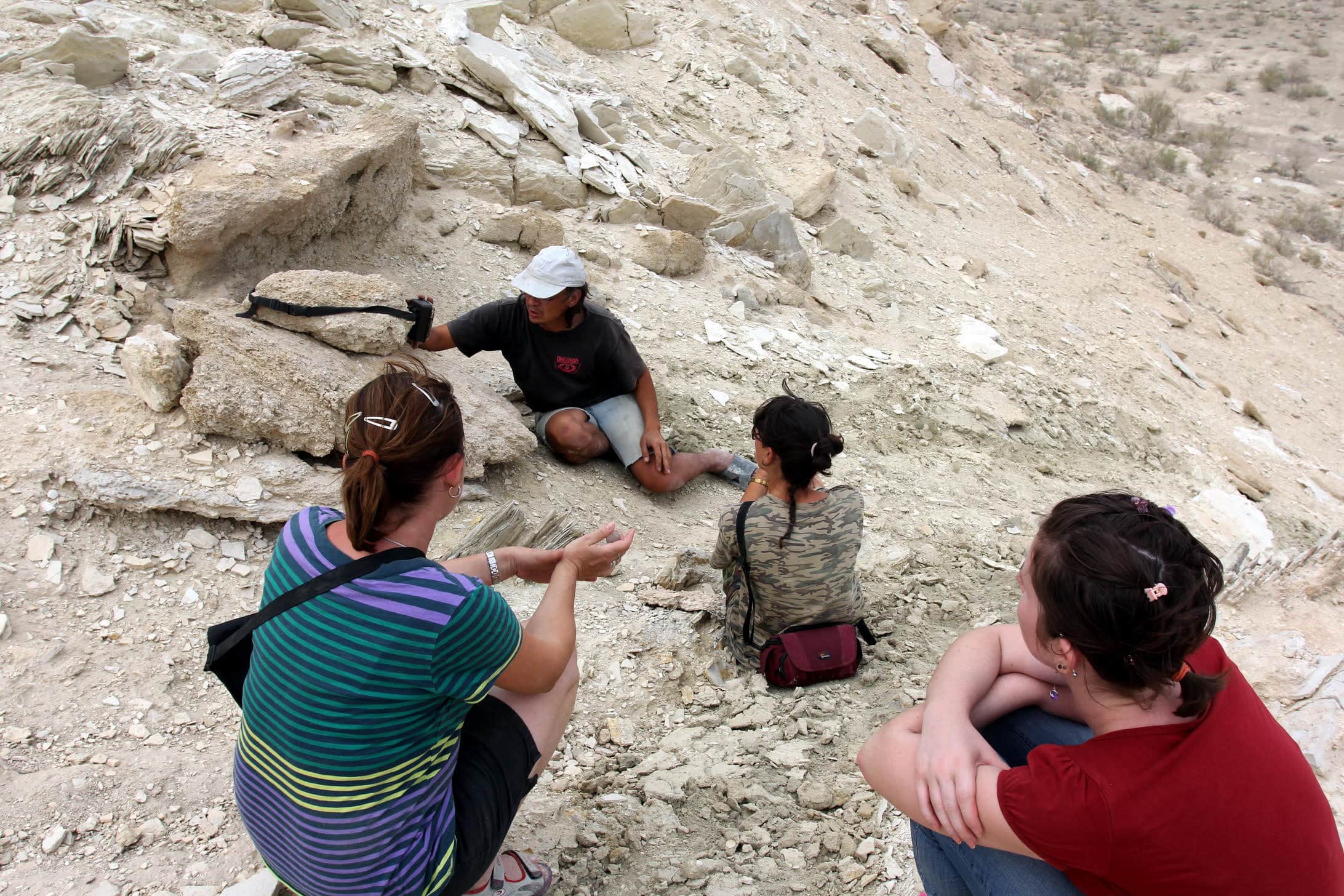
20
Women Empowered
Through SCA’s women’s empowerment and alternative livelihood programs.
Solutions in Action
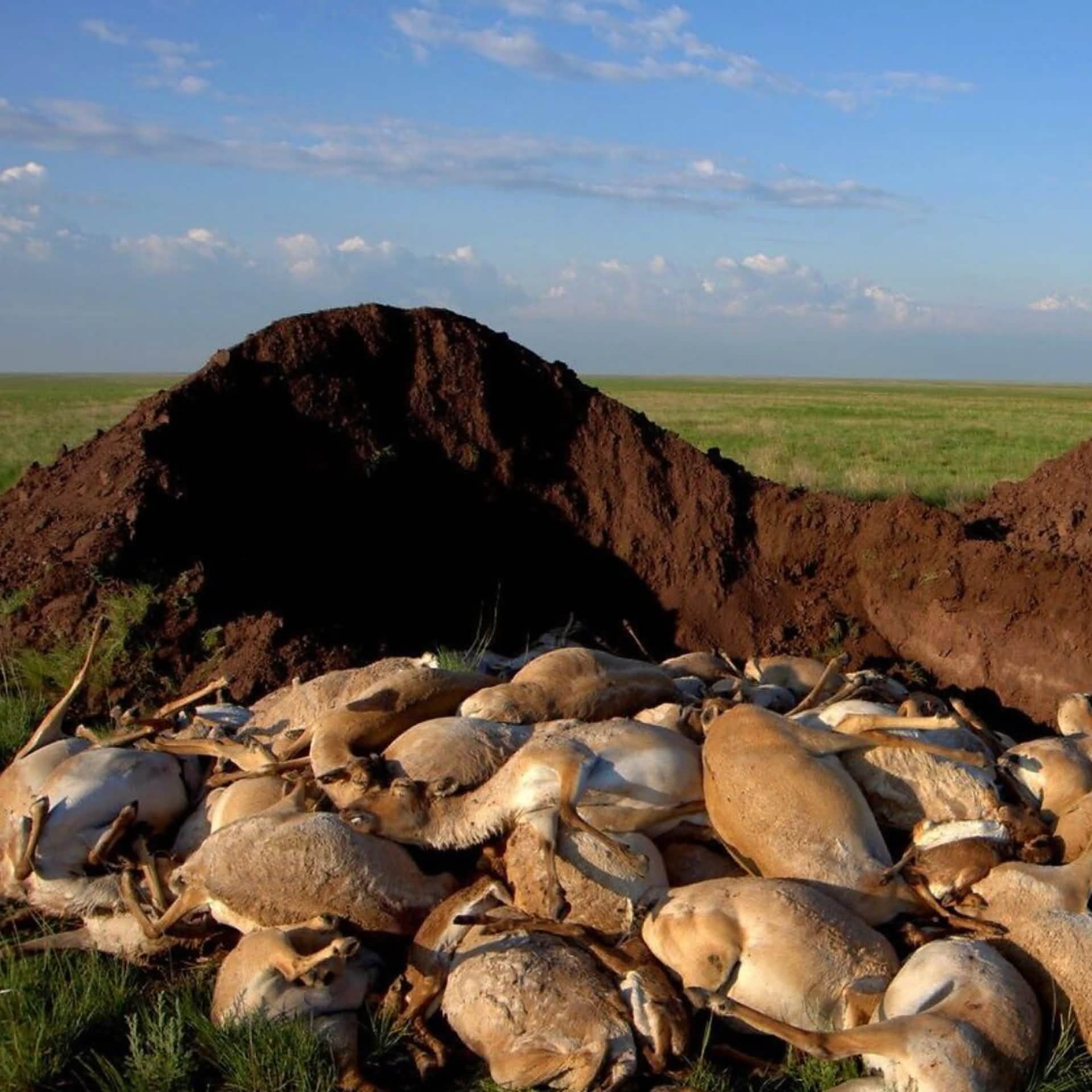

Thriving Nature & Wildlife
Tackling Wildlife Crime
All international trade in saiga antelope is prohibited under the Convention on International Trade in Endangered Species of Wild Fauna and Flora (CITES). SCA works to address both the supply and the demand for saiga products, because they believe if attention remains solely on the supply-side of an unsustainable or illegal wildlife trade, then the root of the problem, consumer demand, will still drive illegal markets and poaching.

Thriving People
Kuralai Alternative Livelihood
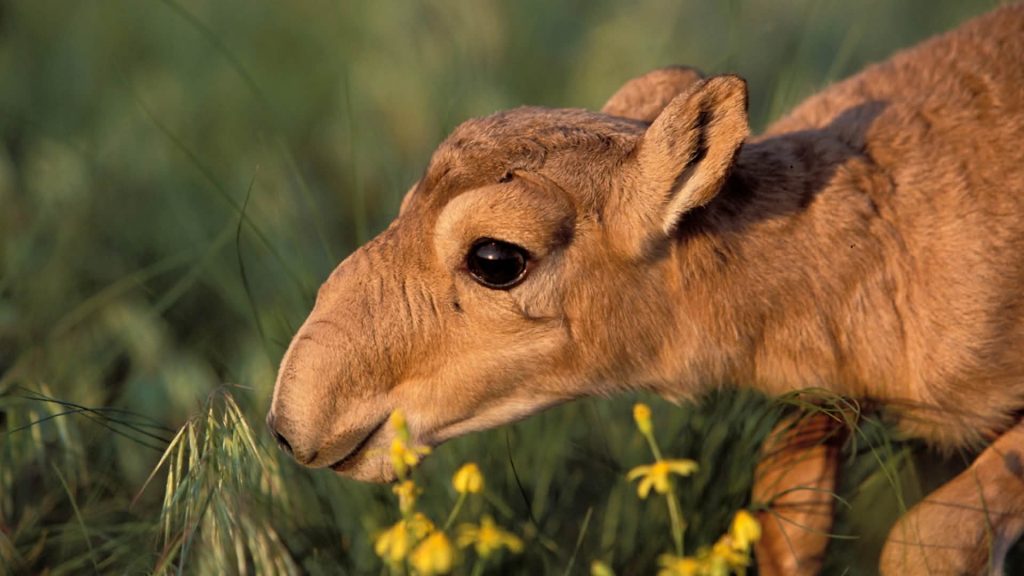
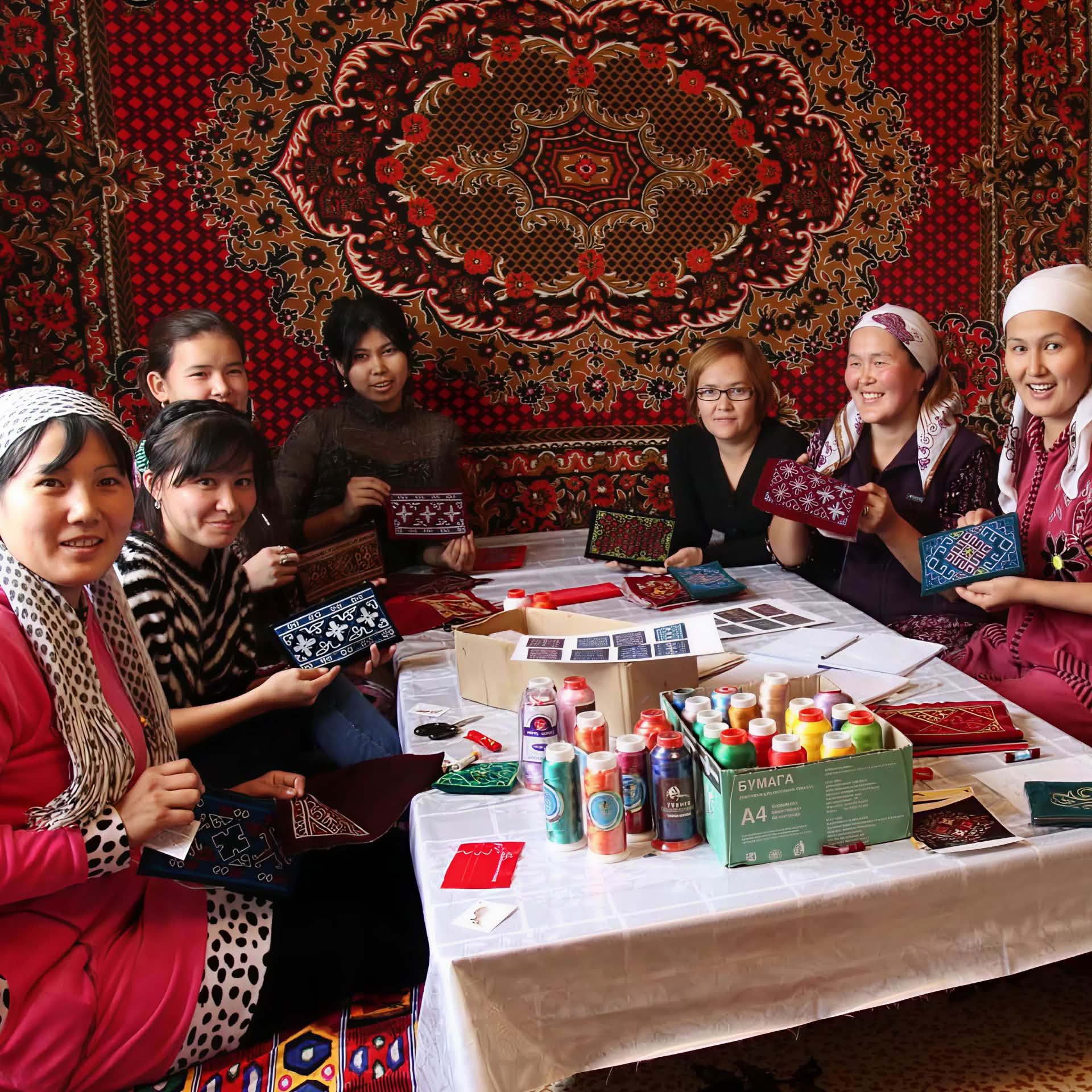
The Kuralai Alternative Livelihood project in Uzbekistan celebrates local women who are creating beautiful traditionally embroidered bags to help save saigas. Kuralai means ‘baby saiga’ in Uzbek. This embroidery project gives women the opportunity to learn new skills in sewing as well as business and marketing, empowering women in the region to have an alternative source of income and decrease the demand for saiga poaching.
Thriving Nature & Wildlife
Resurrection Island Project
The Aral Sea is a former salt lake, which has become the symbol of environmental catastrophe in the 20th century due to unsustainable water use for agriculture. Although its drying up was catastrophic for local communities and biodiversity, some wildlife still remains. SCA hopes to restore saiga populations in the area and preserve the unique flora and fauna through their “Resurrection Island” project.

Quote“Women are a powerful voice in the household, and if they see the benefits of saigas as part of their culture, they will tell their sons and husbands not to poach and they themselves will not buy saiga meat.”
Elena Bykova, Co-Founder Saiga Conservation Alliance (SCA)