
When you support Conservation Through Public Health (CTPH), you help enable people, gorillas, and other wildlife to coexist through improving their health and livelihoods in and around Africa’s protected areas and wildlife rich habitats.
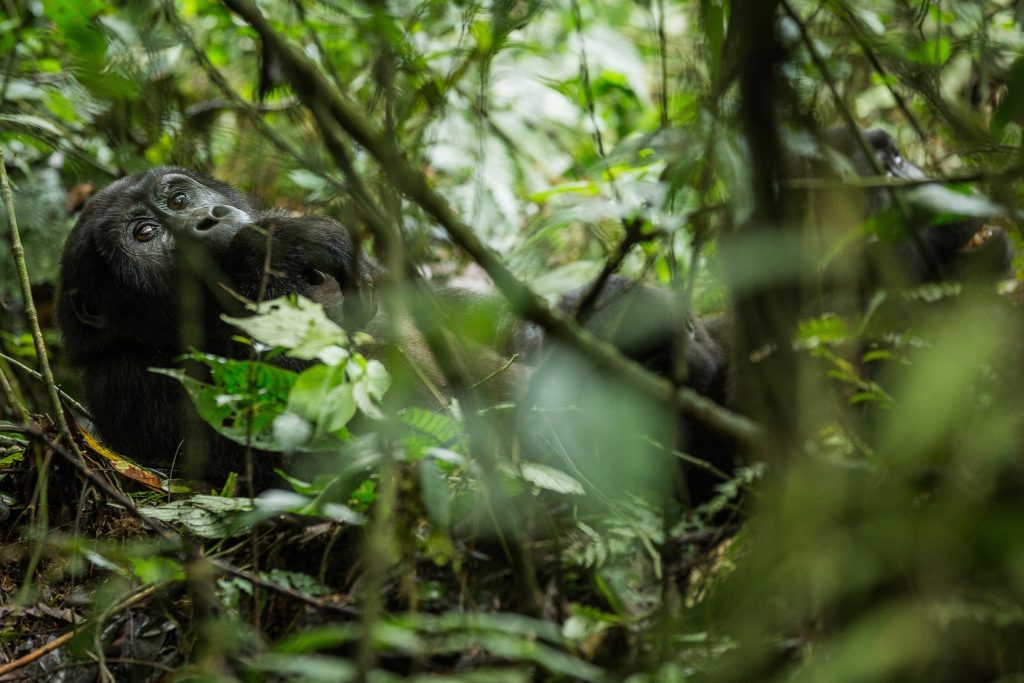
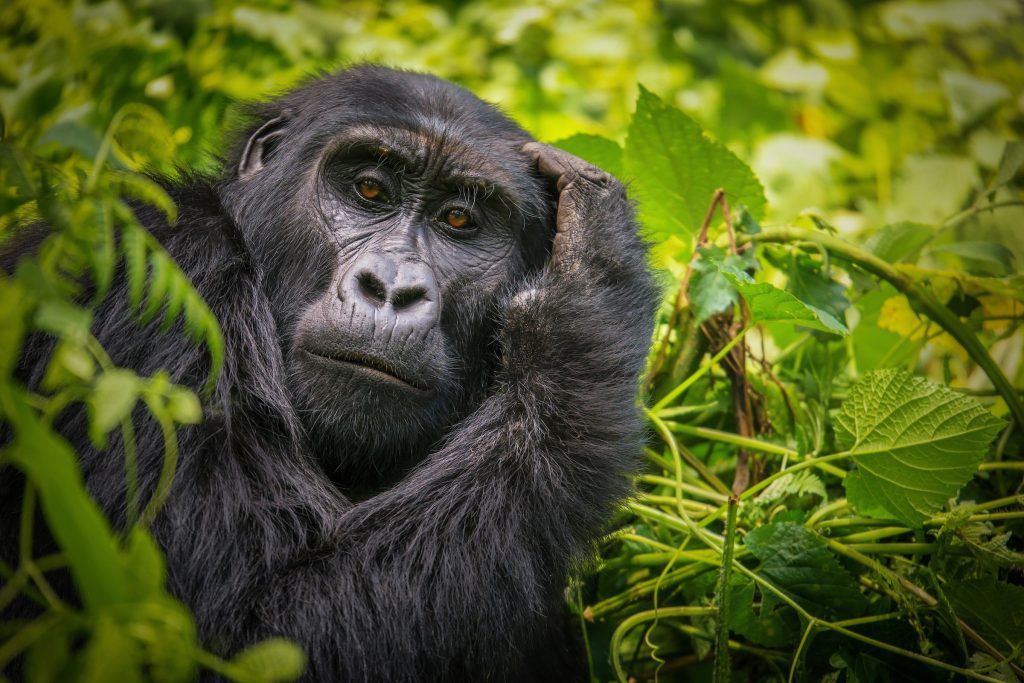
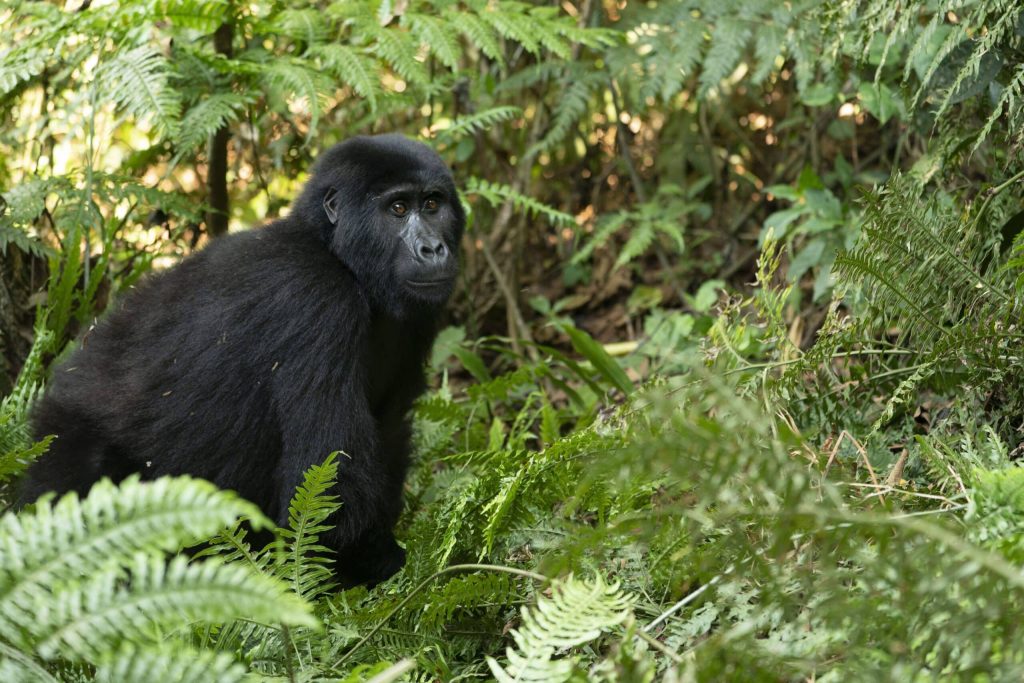
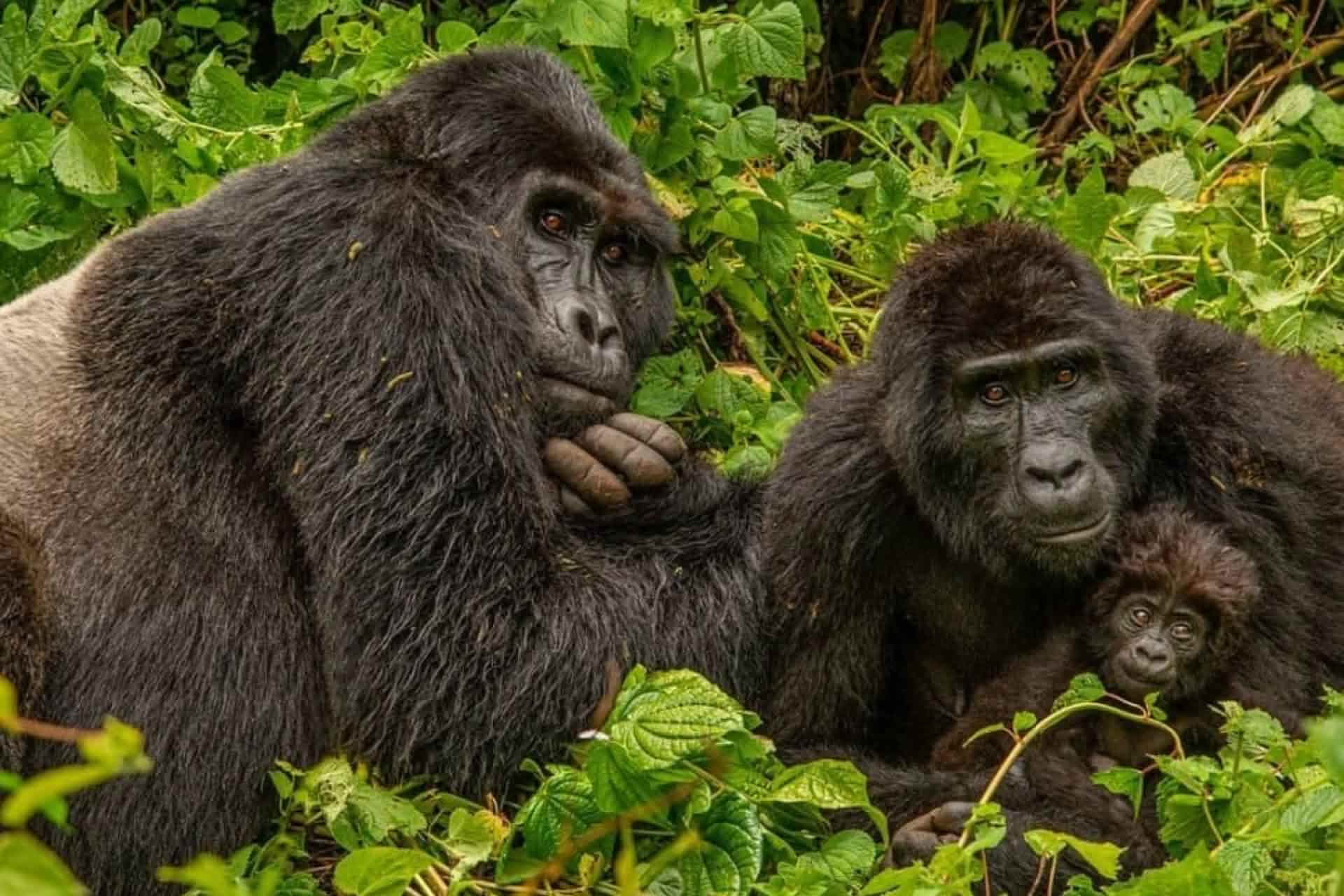
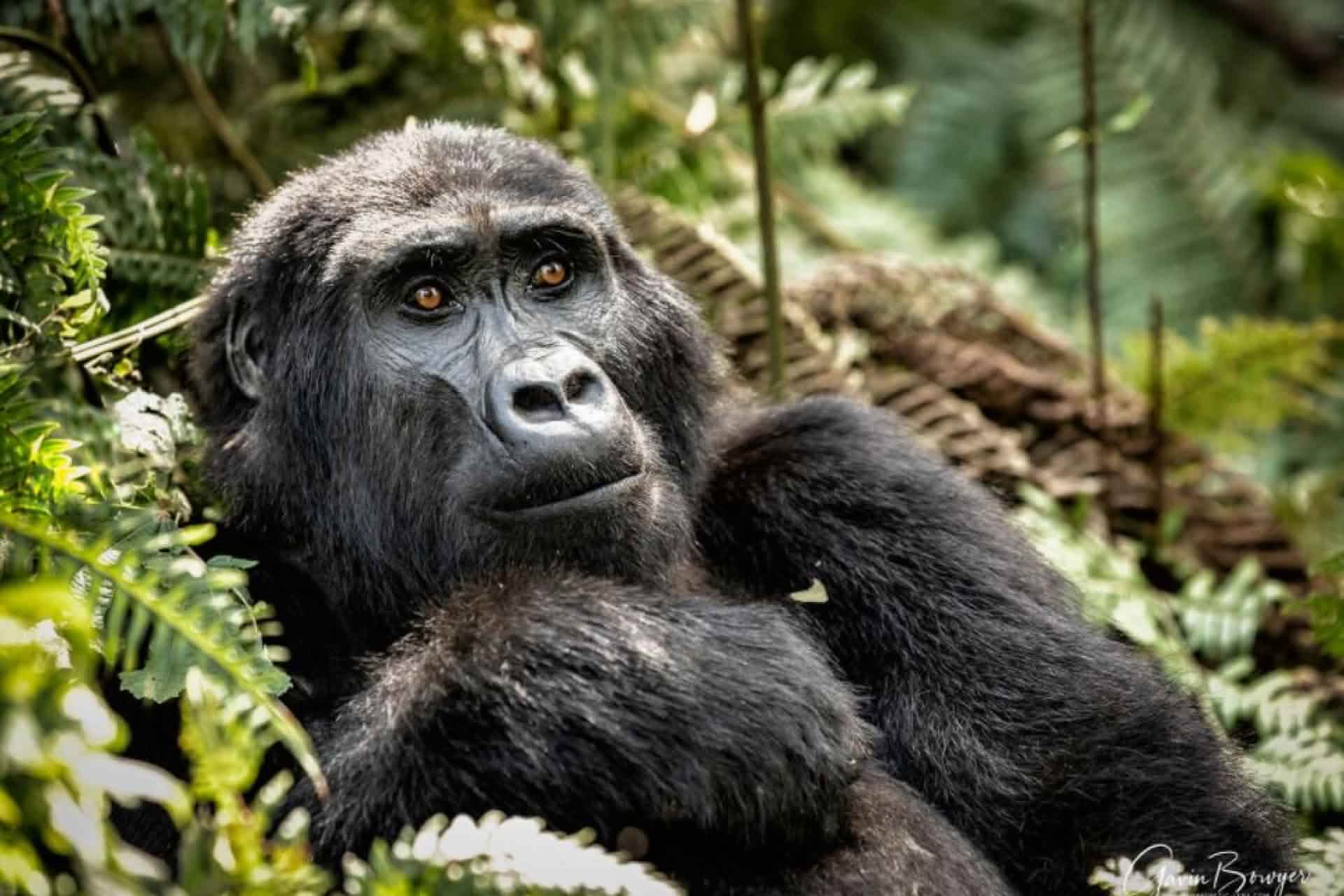
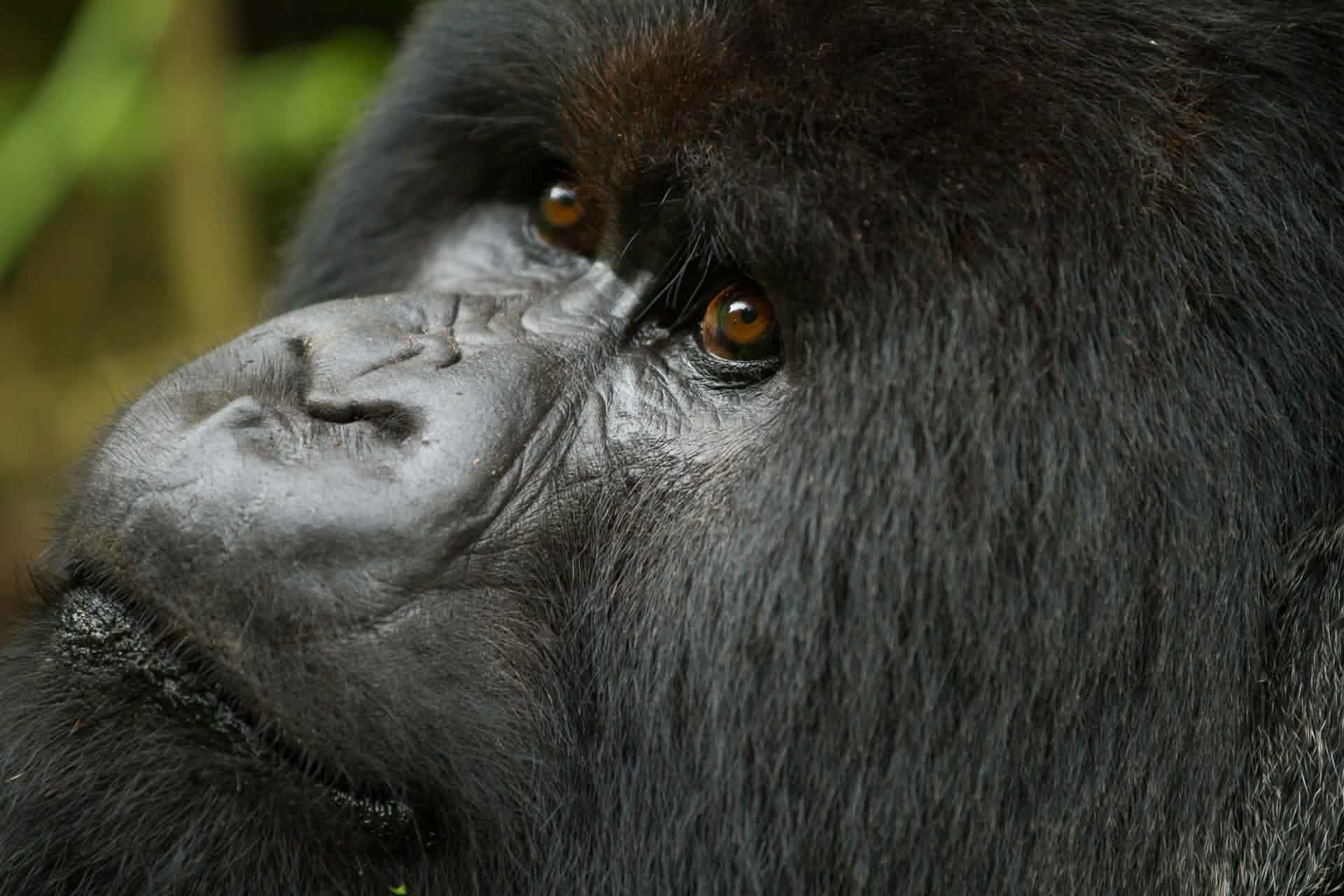
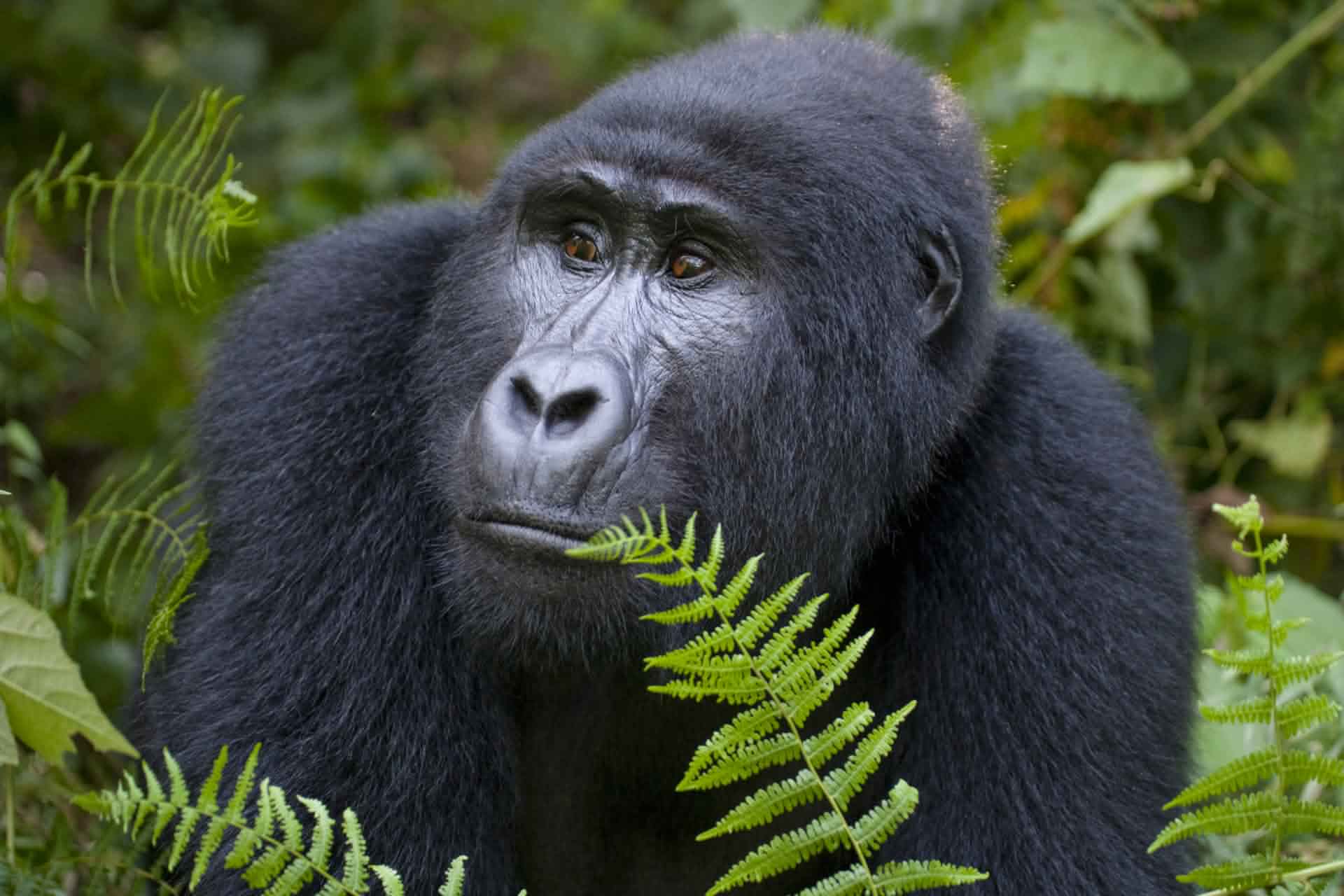
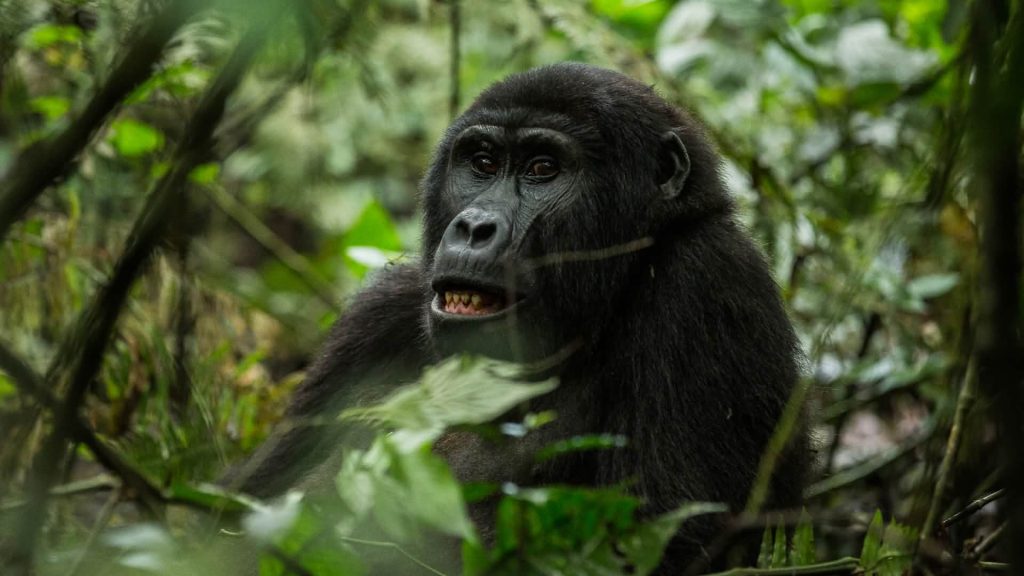
Mountain Gorillas are tremendously strong, social beings. Unfortunately, forest degradation and disease transmission threaten the remaining 1,000+ wild mountain gorillas. Since disease transfer between humans and gorillas was first documented with scabies in the 1990s, CTPH has been focused on the interdependence of these closely genetically related species.
CTPH takes on a multidisciplinary approach to prevent human-wildlife disease transmission and promote a better quality of life that reduces local communities’ dependence on fragile habitats to meet their basic needs.
Protect Gorillas
With WCN’s 100% model, your entire gift supports the conservationists working to protect mountain gorillas in the wild.
Mountain Gorillas:
Conservation Through Public Health (CTPH)
Choose an amount to donate:
162
Members
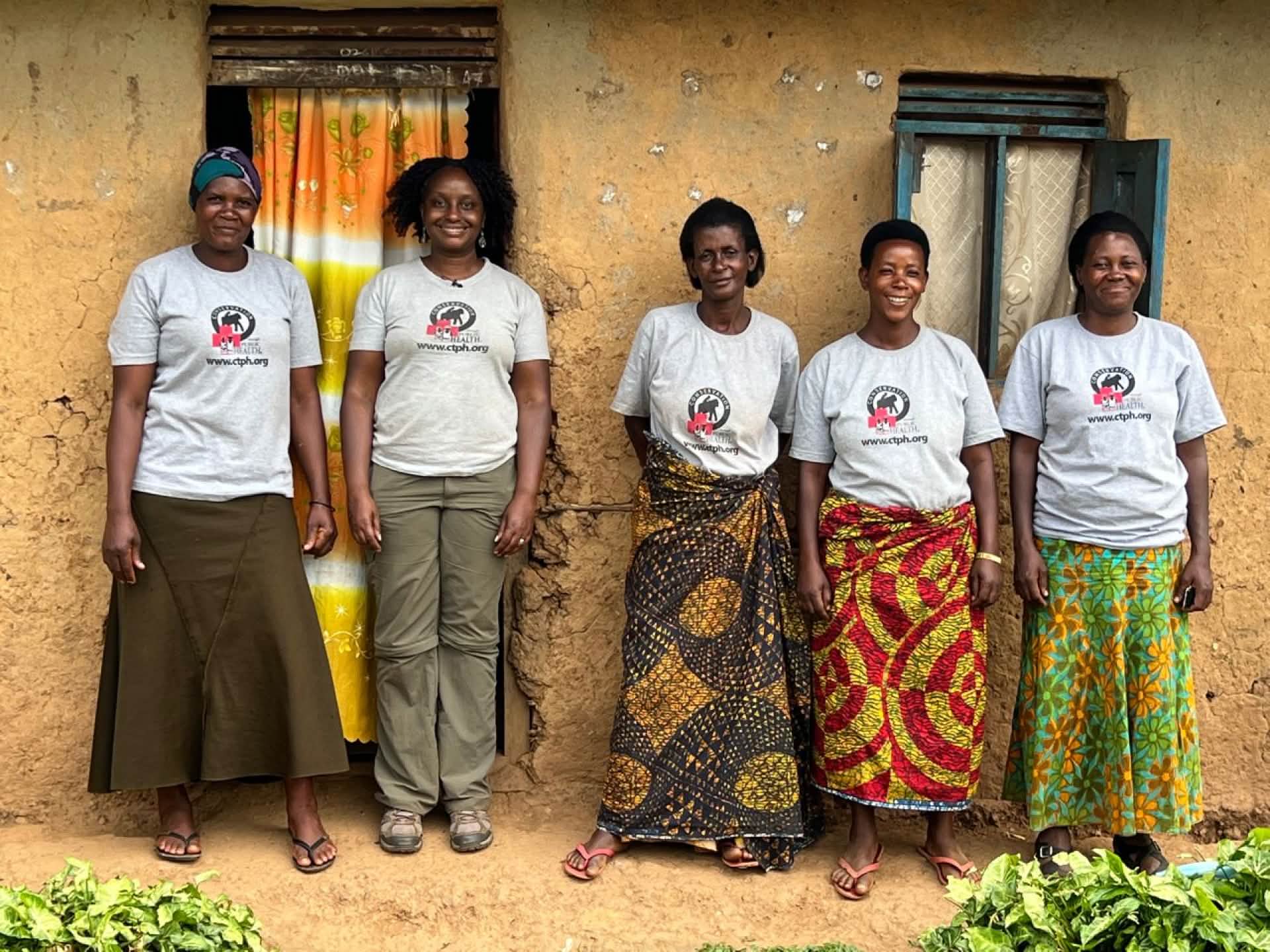
CTPH’s Human-Gorilla Conflict Resolution team grew to 162 members, including the addition of the first women guardians.
1,500
Households
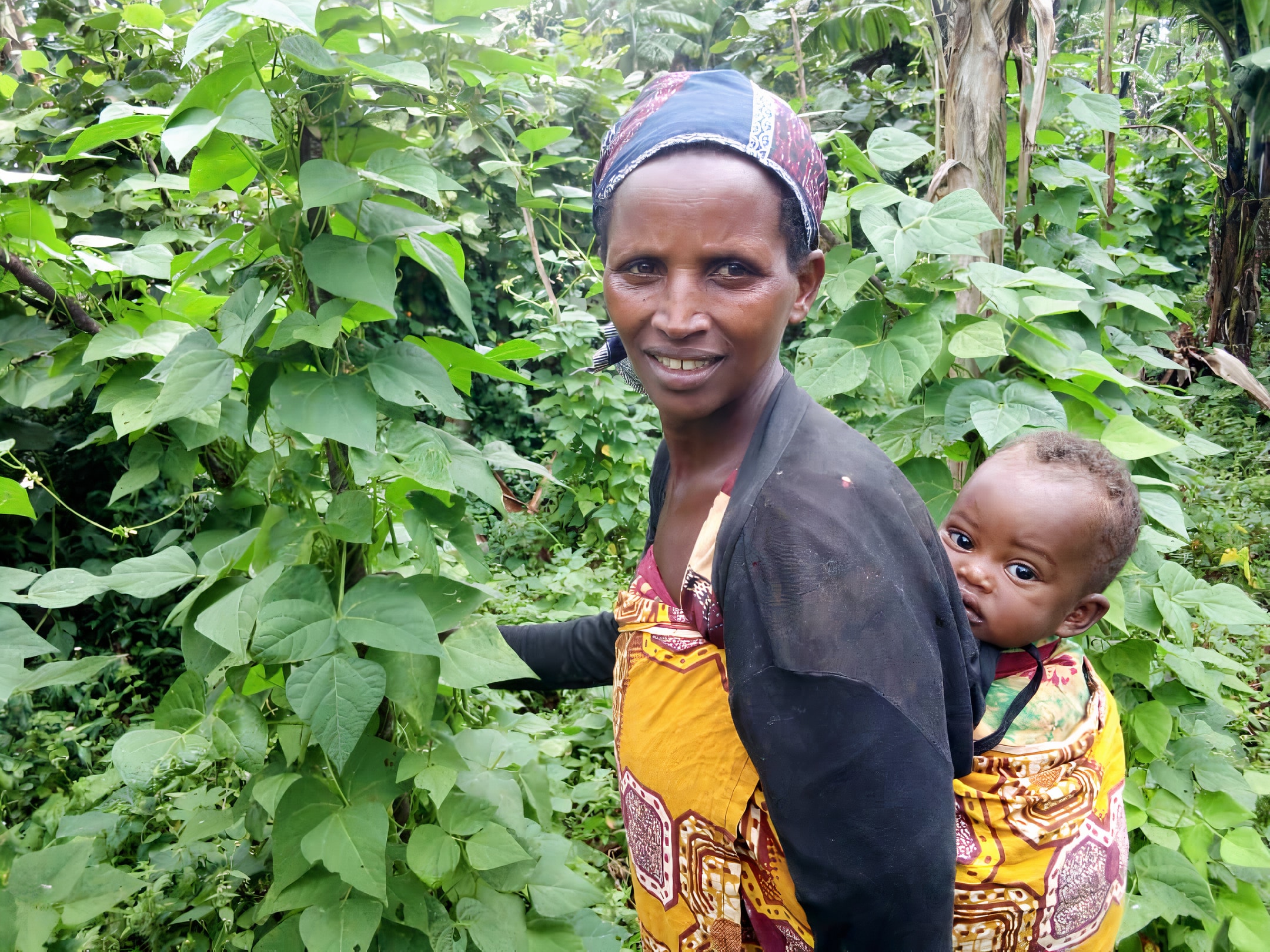
Around Bwindi Impenetrable National Park received fast-growing seedlings and agricultural support from CTPH’s Ready to Grow program to improve vegetable consumption. By the end of 2025, 96% of what families were eating came from their own gardens!
14
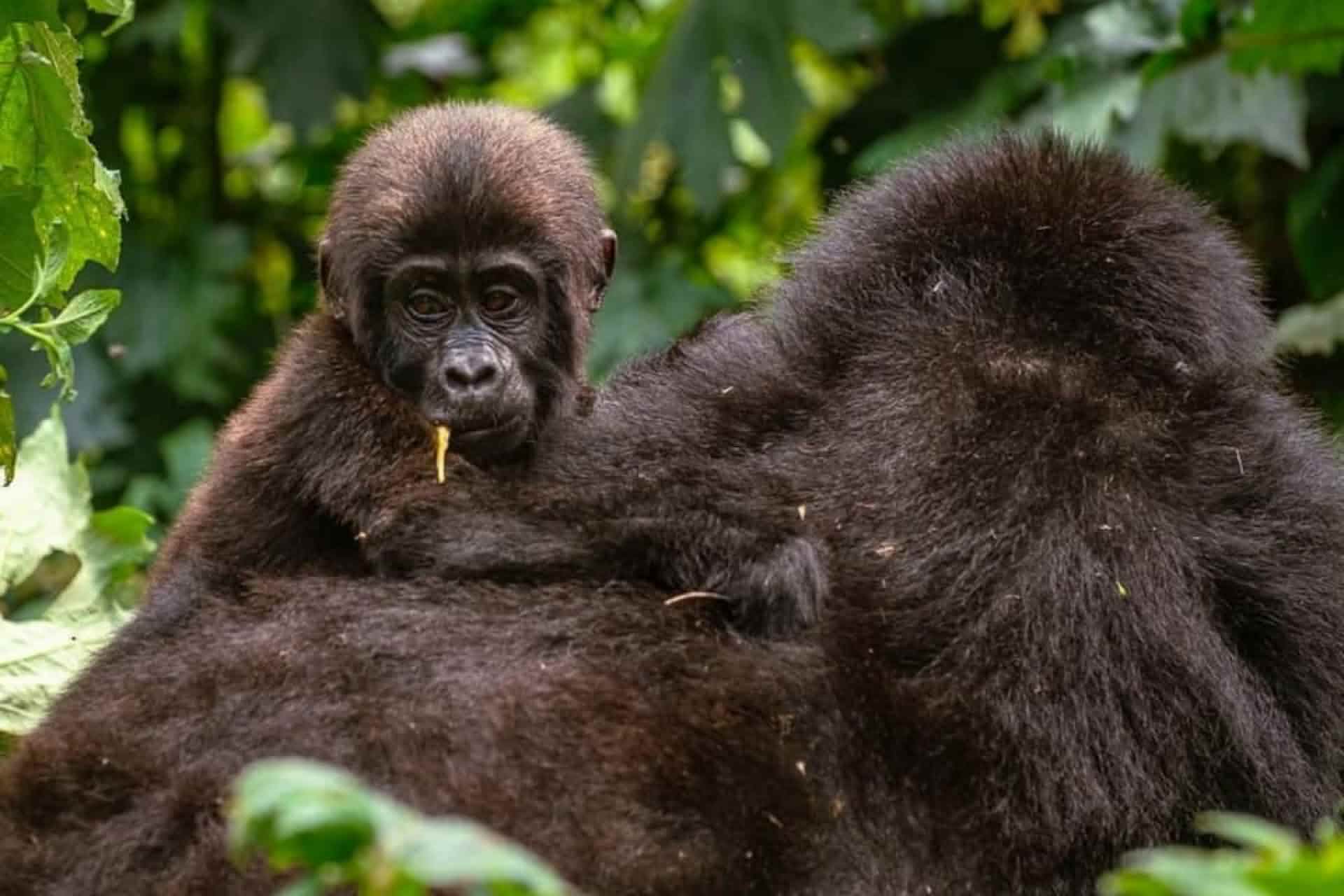
Healthy newborn gorillas
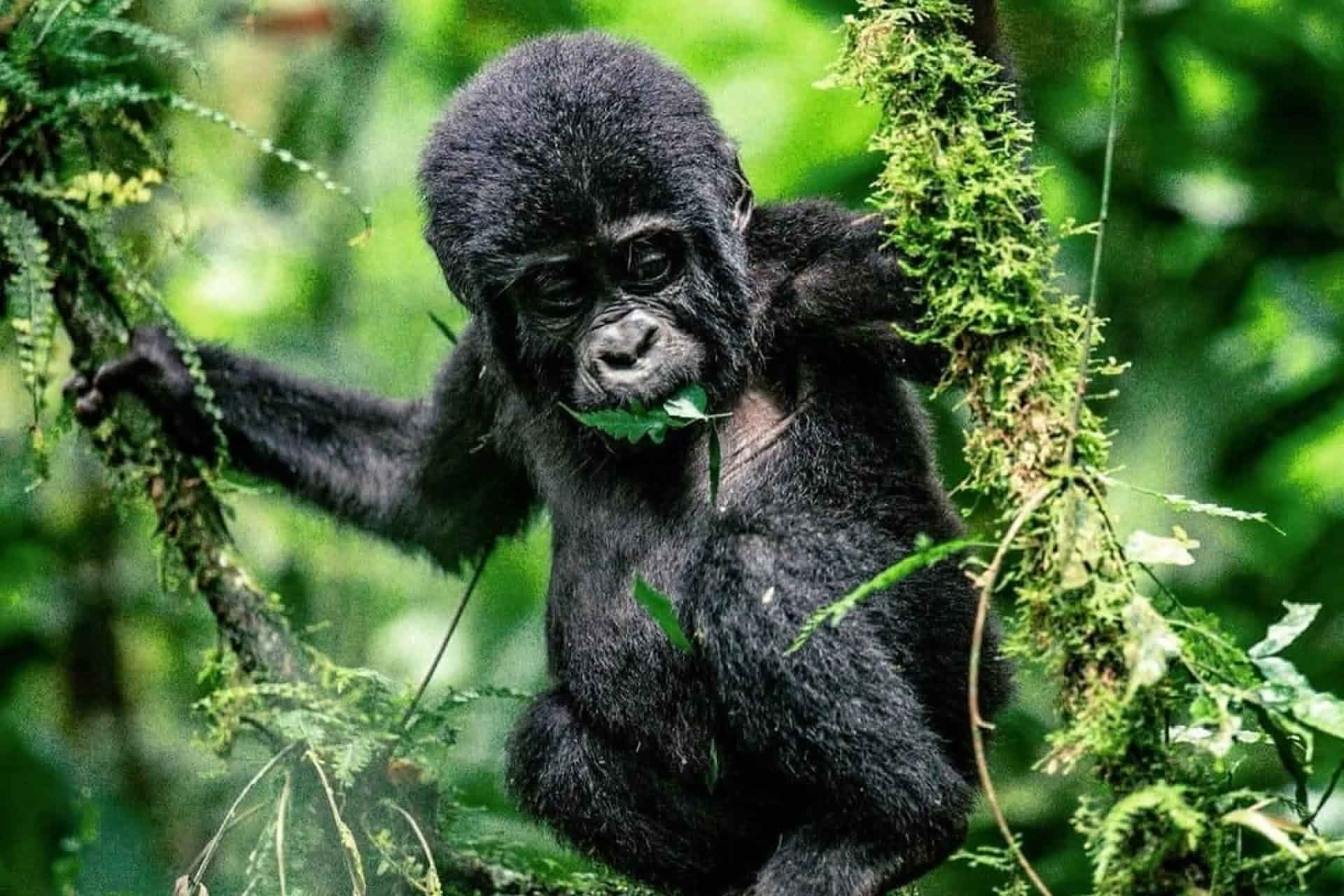
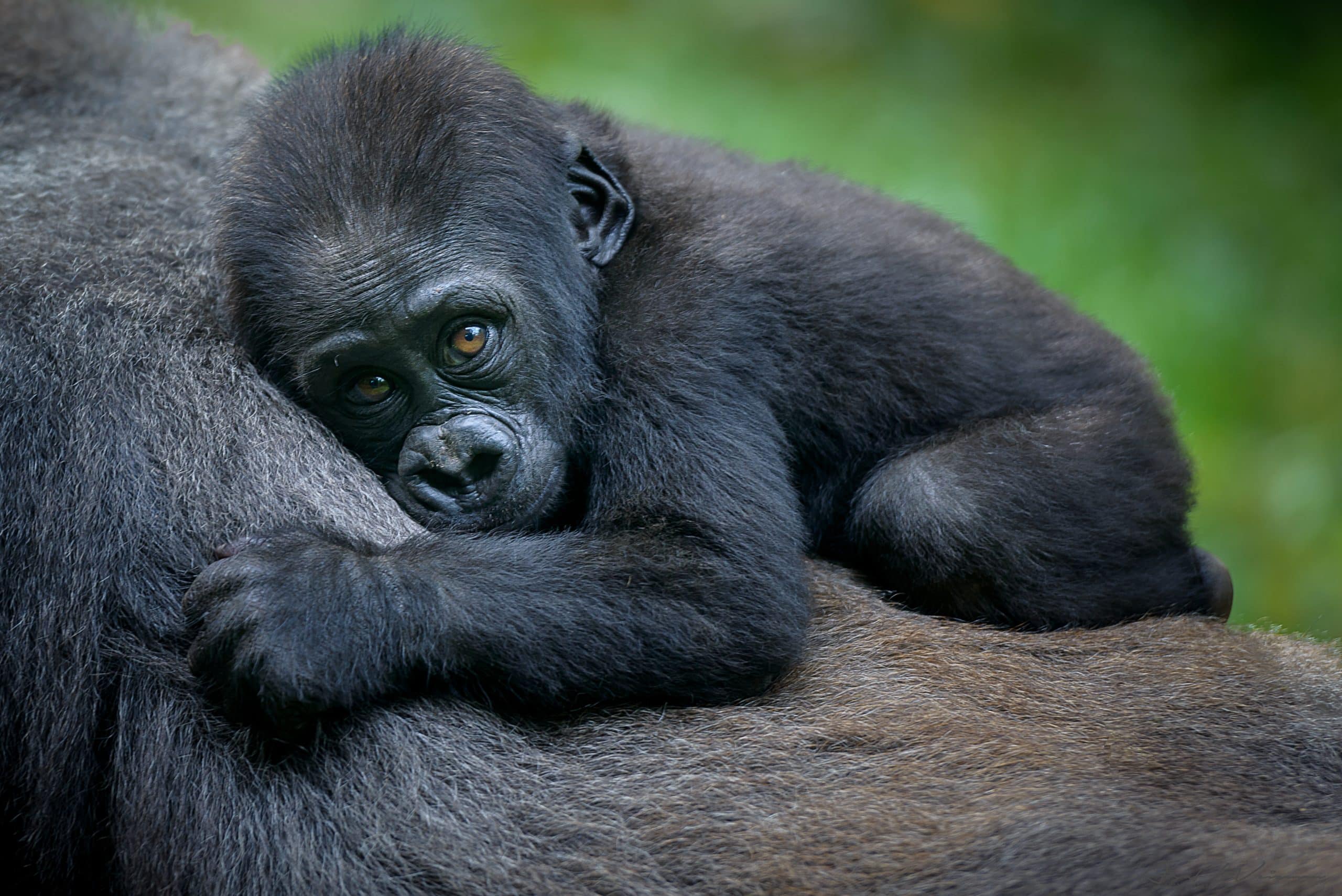
Born in 2025 thanks to a reduction in human-related parasitic infections among mountain gorillas, keeping the subspecies off the critically endangered list.
Solutions in Action

Thriving Wildlife & People
Reducing Conflict
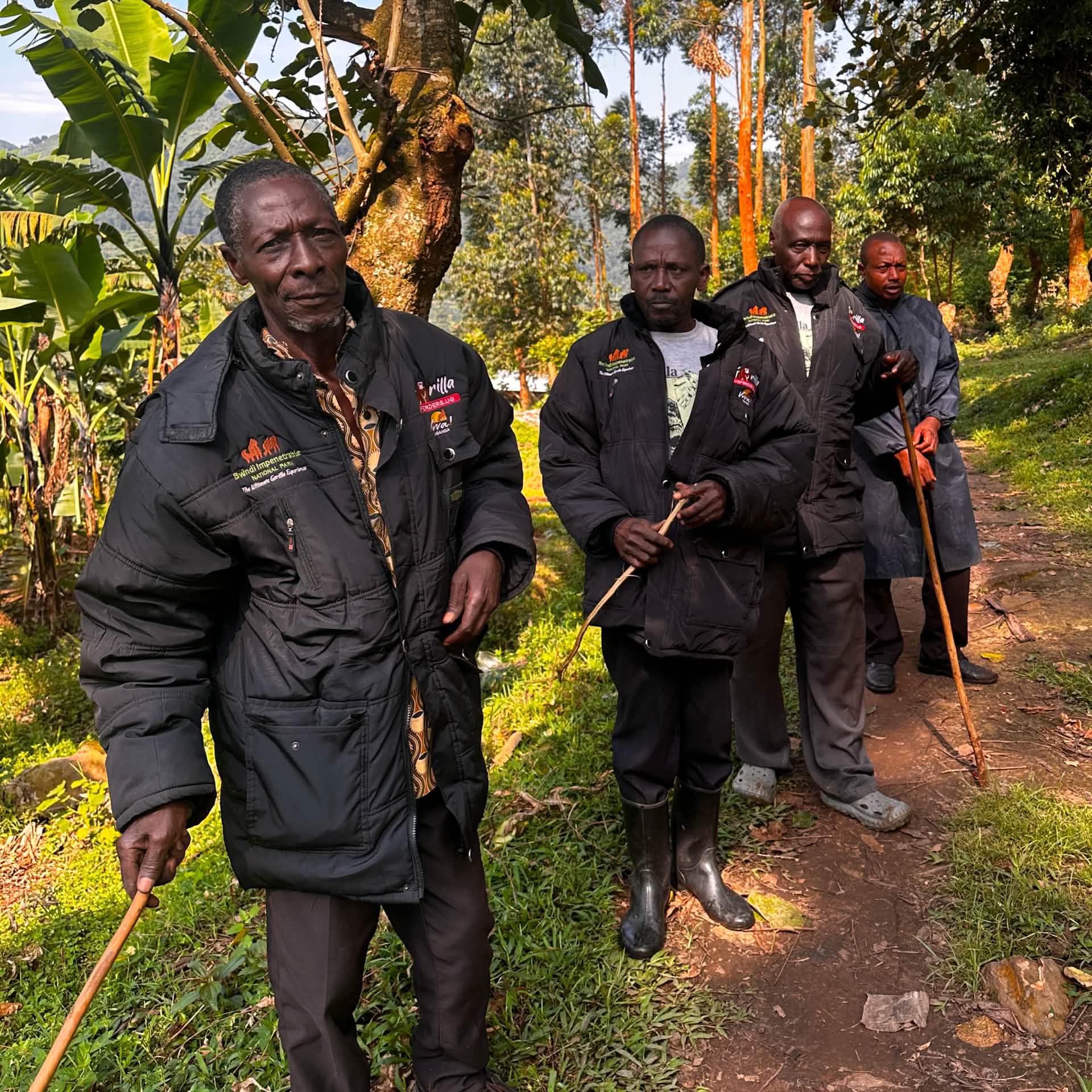
CTPH trains hundreds of HuGos (Human and Gorilla Conflict Resolution Teams) – also known as Gorilla Guardians – to help resolve human-wildlife conflict whenever mountain gorillas stray from the safety of the Bwindi Impenetrable National Park boundaries and enter into community land or gardens. These volunteers safely herd gorillas back to the forest.
Thriving Wildlife & People
Promoting Health
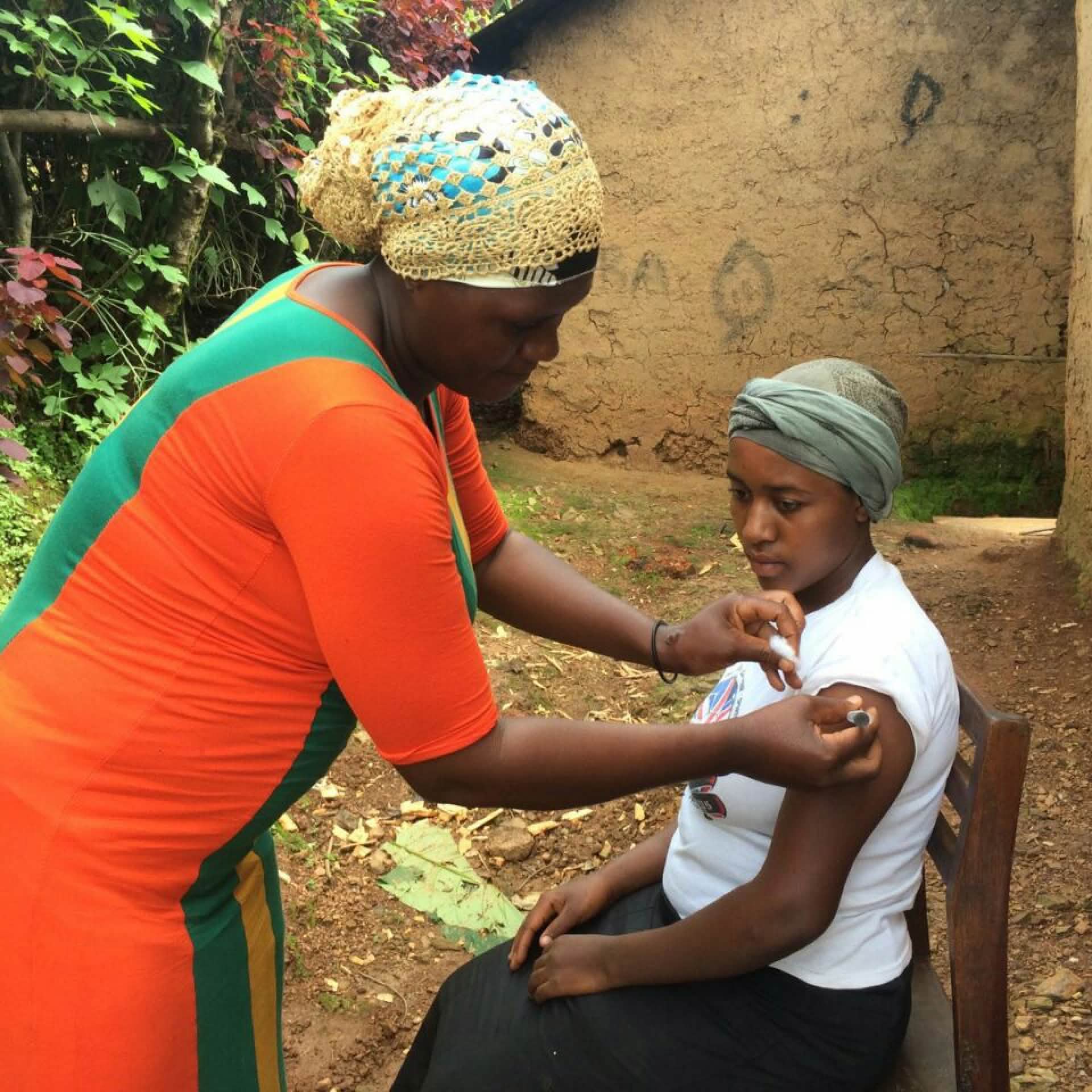
CTPH’s “One Health” approach jointly addresses human, animal, and whole ecosystem health by bringing together multidisciplinary actors, including veterinarians, medical and public health professionals, and environmental conservationists. CTPH’s community volunteers, “Village Health and Conservation Teams” (VHCTs), are trained to deliver integrated community-based public health information and services to promote good health-seeking behavior, hygiene practices, infectious disease prevention and control, family planning, nutrition, and conservation education to individual households.


Thriving People
Boosting Local Economies
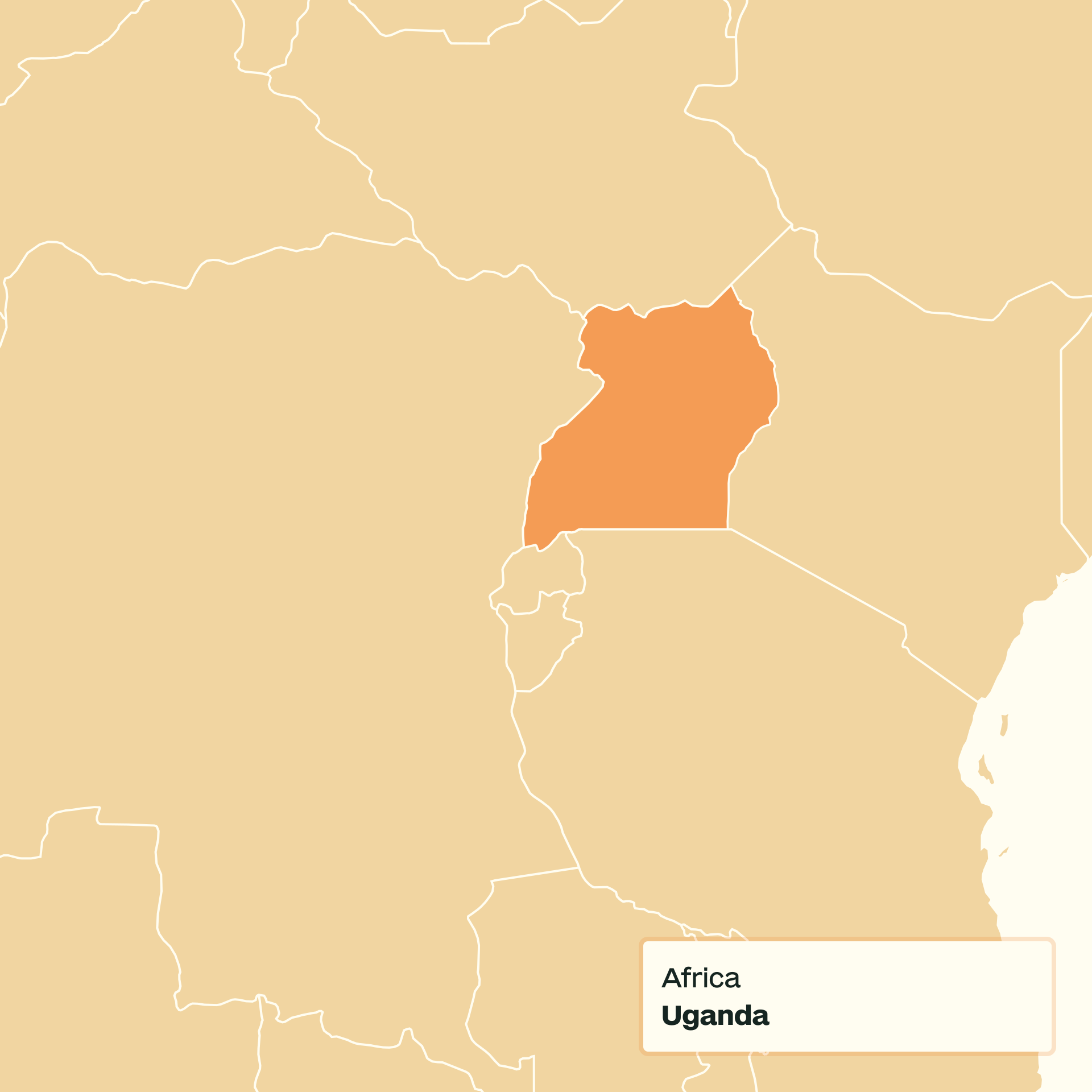
Gorilla Conservation Coffee is CTPH’s social enterprise, which pays a premium, above market price, to marginalized smallholder coffee farmers living around Bwindi Impenetrable National Park. This helps farmers to improve their family’s well-being and reduce pressure on local natural resources.
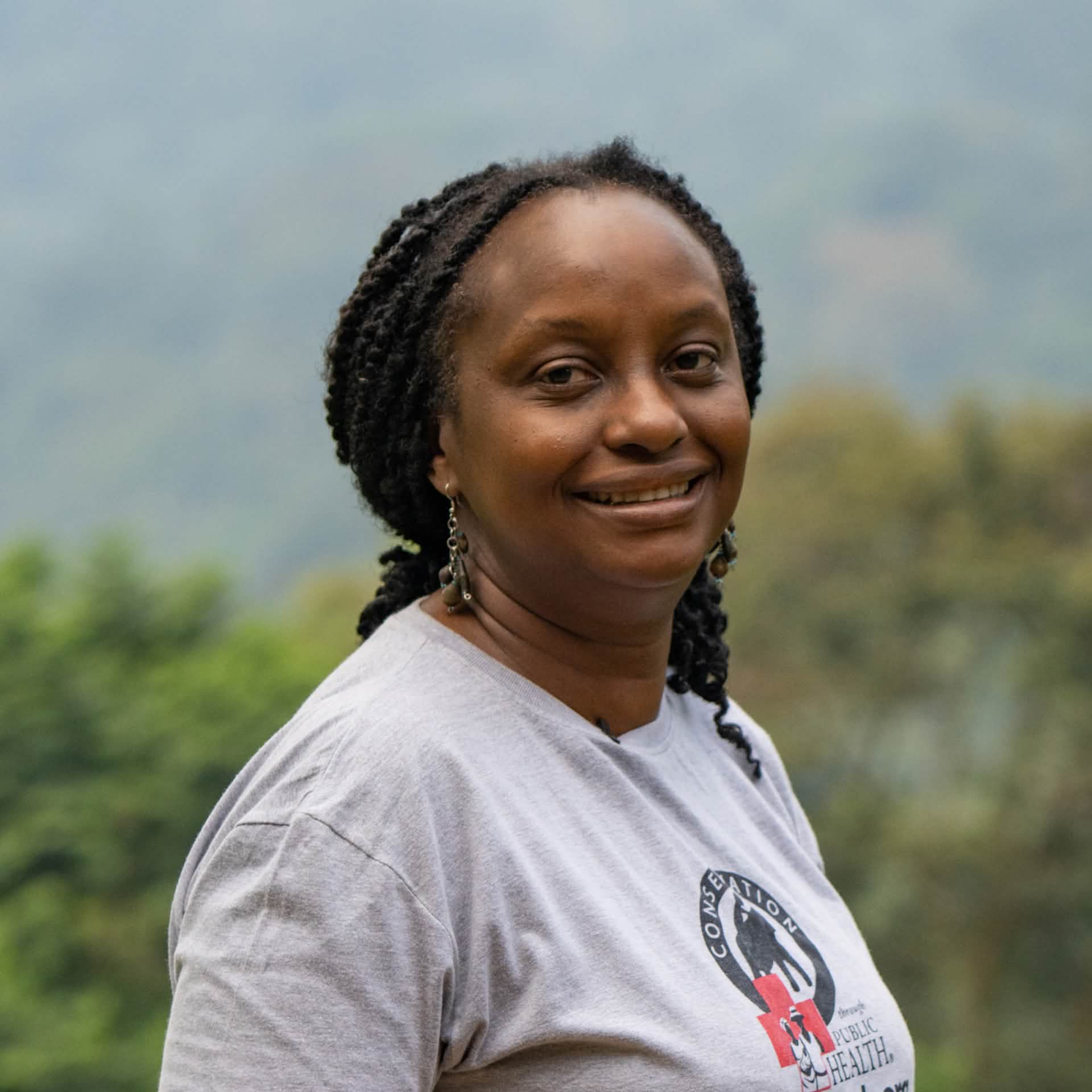
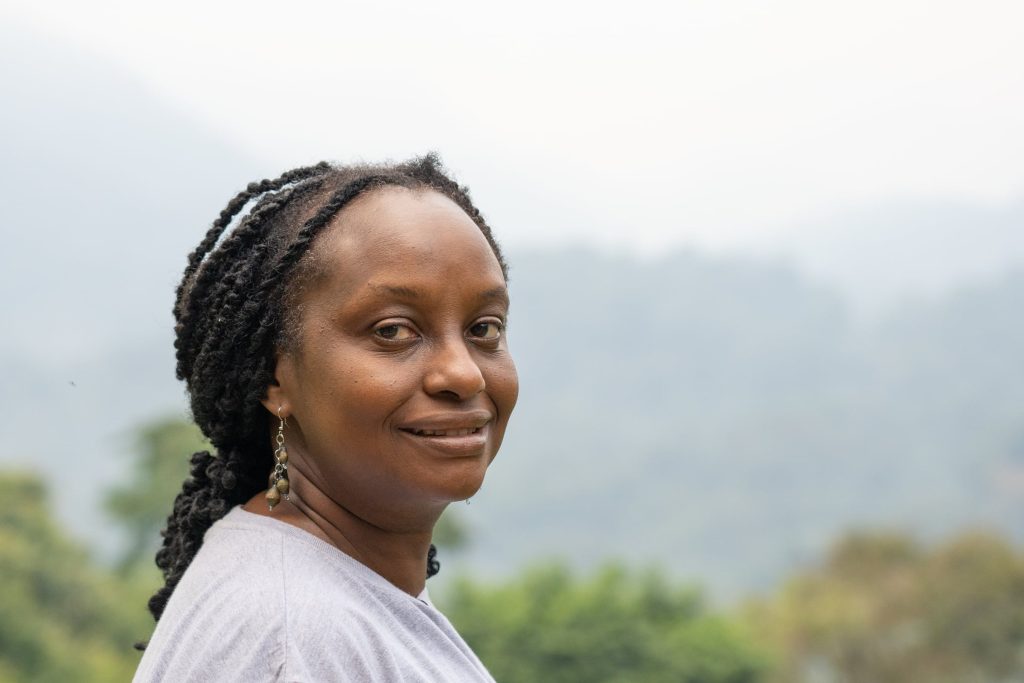
Quote“To protect the health of the gorillas, it is also important to improve and protect the health of the people around them.”
Dr. Gladys Kalema-Zikusoka, Chief Executive Officer Conservation Through Public Health (CTPH)