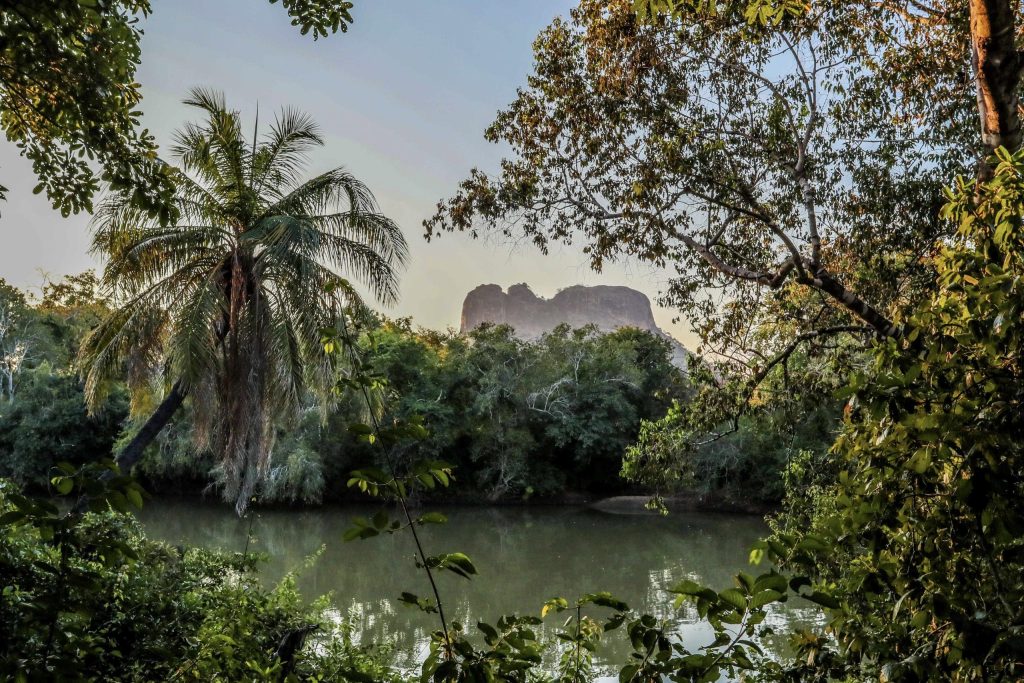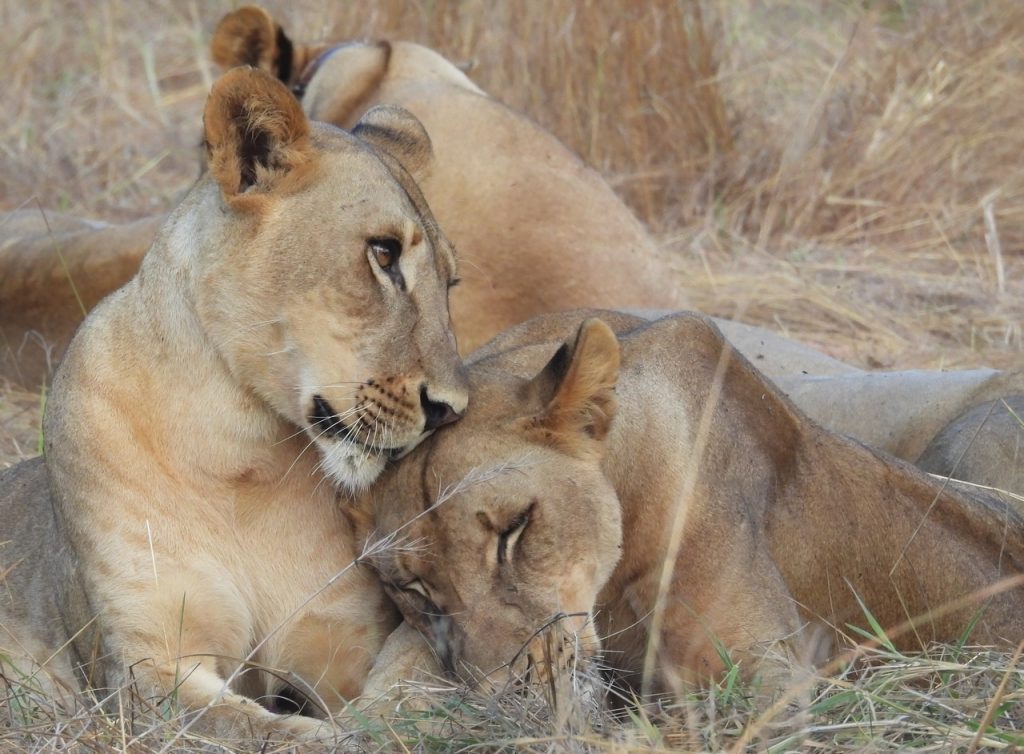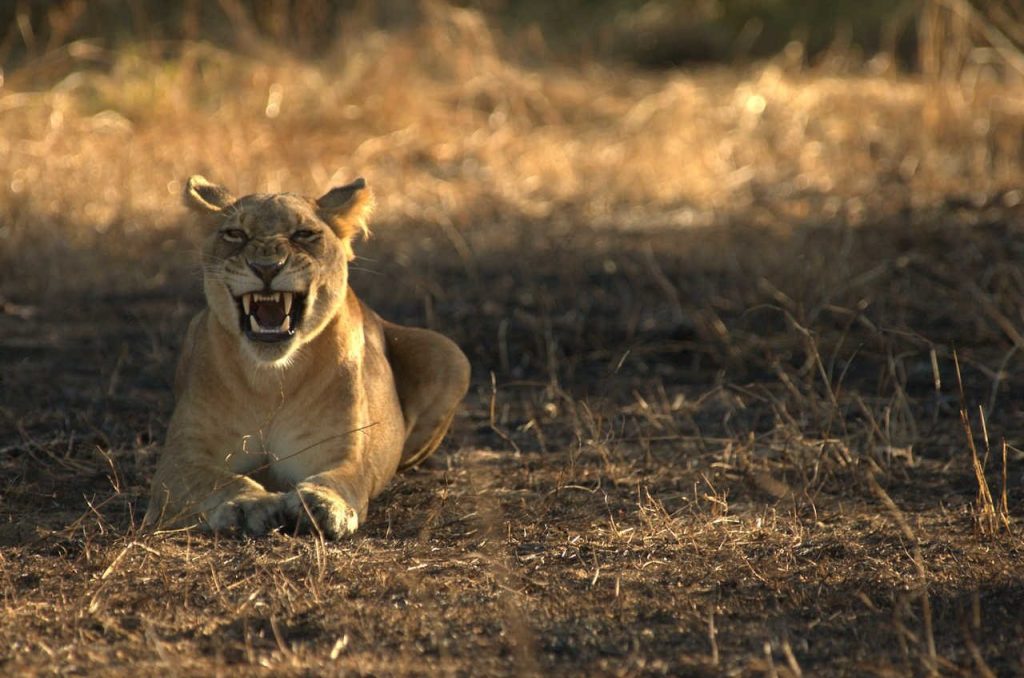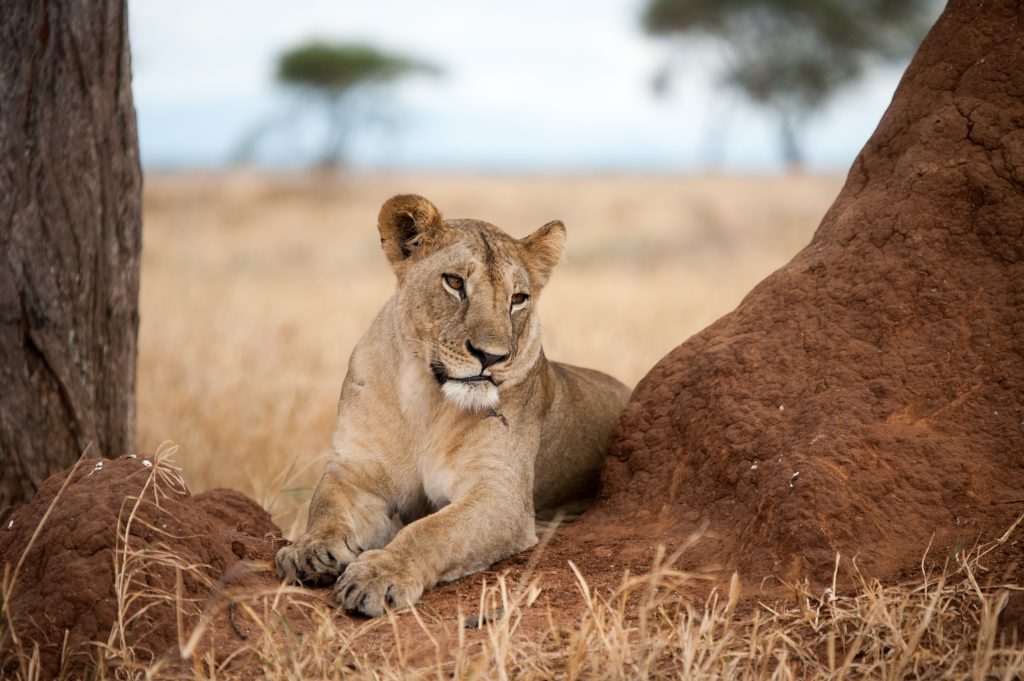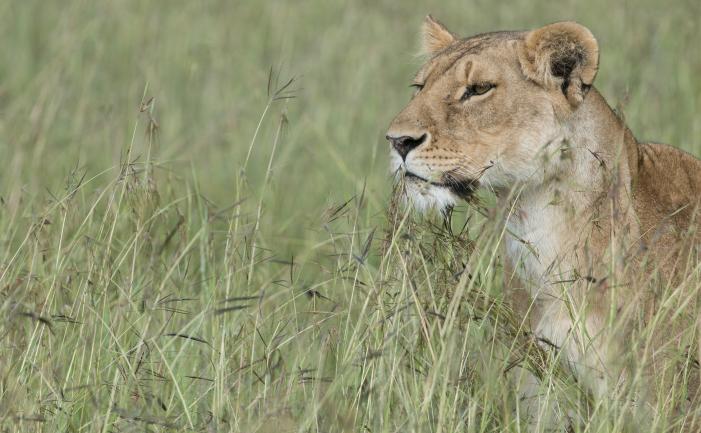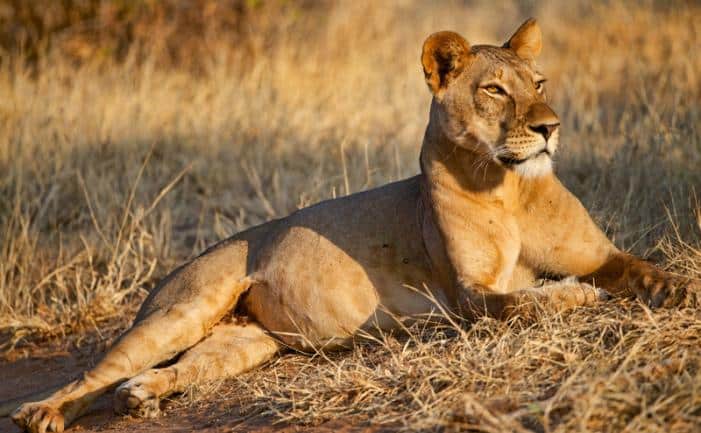
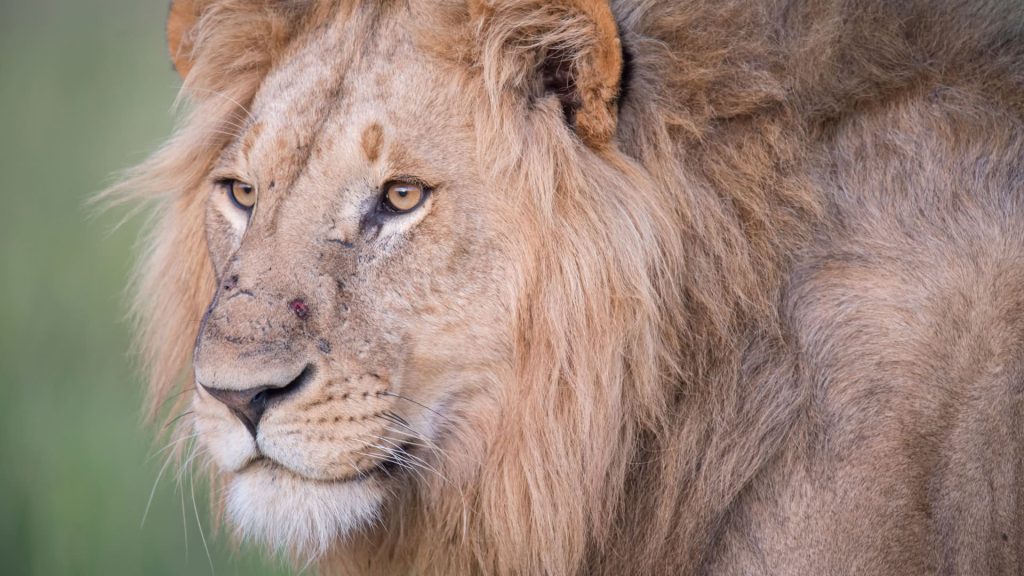

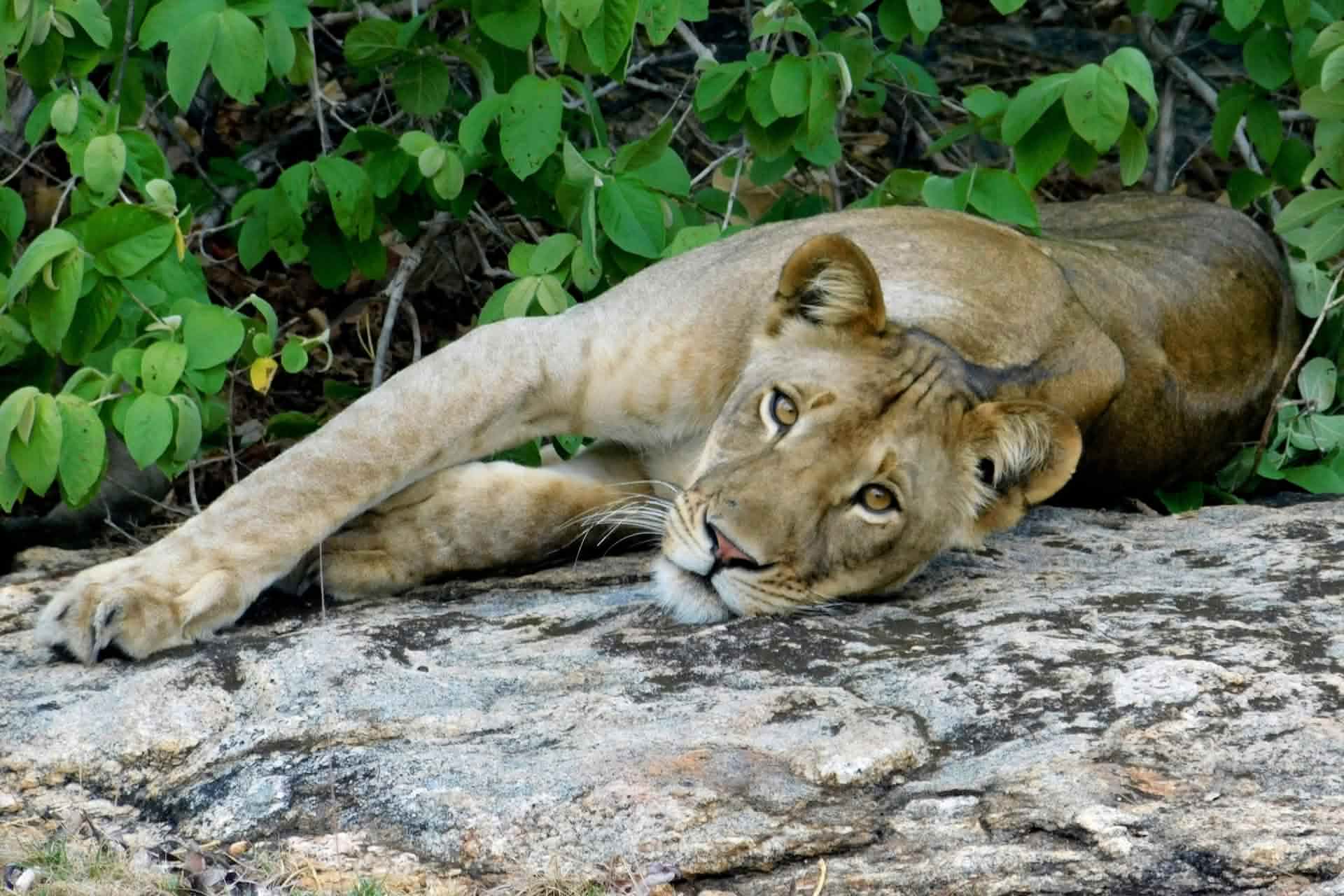
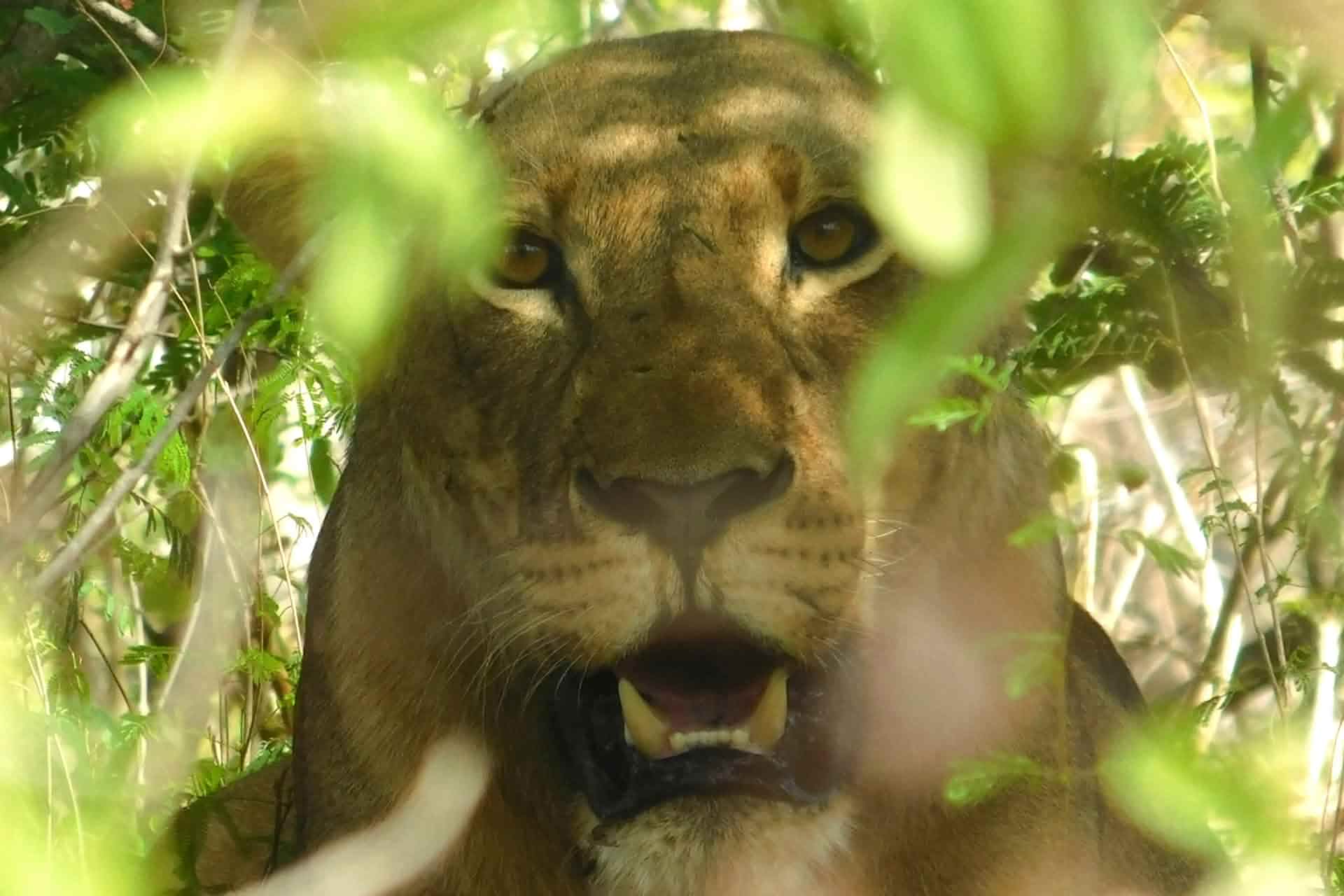
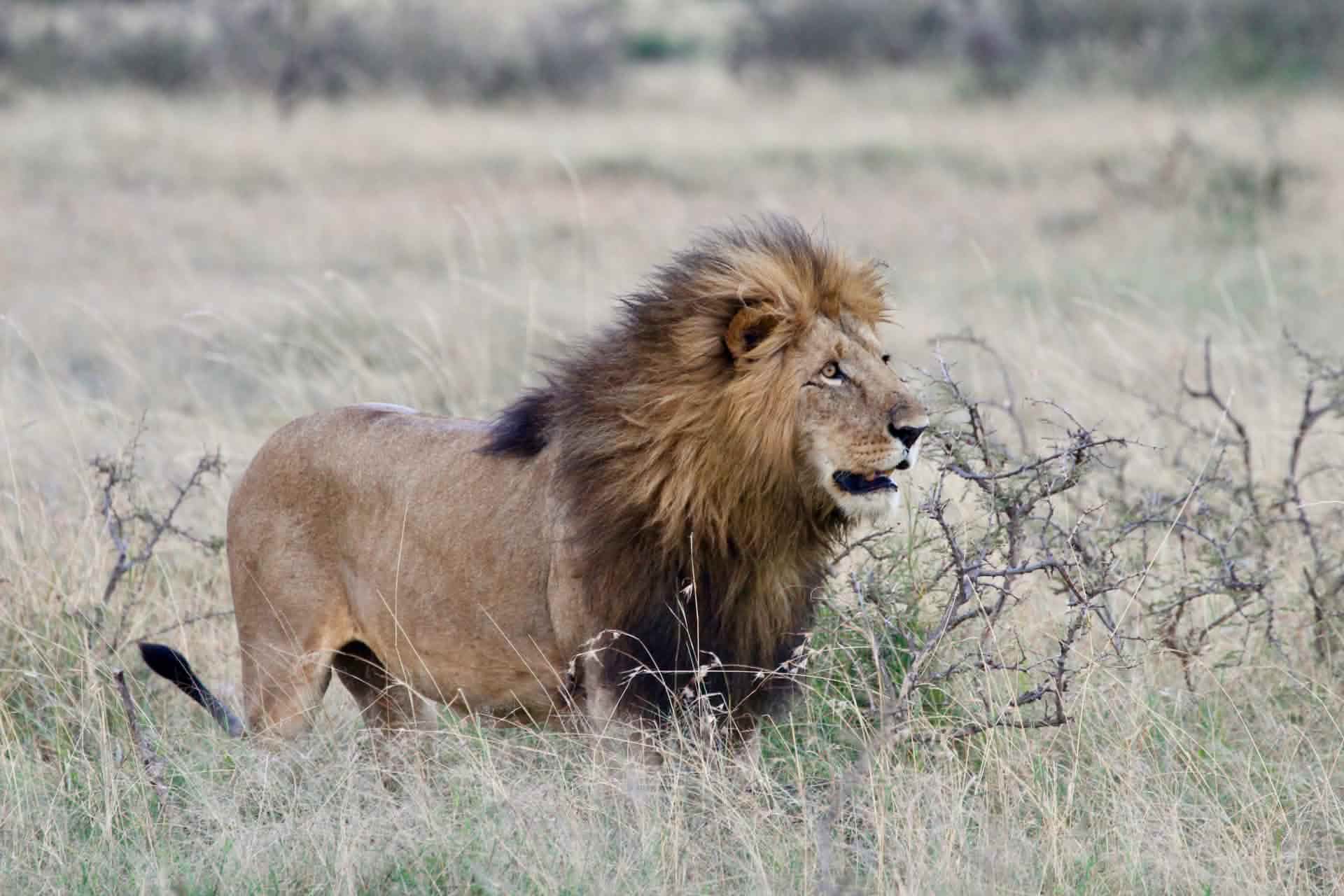
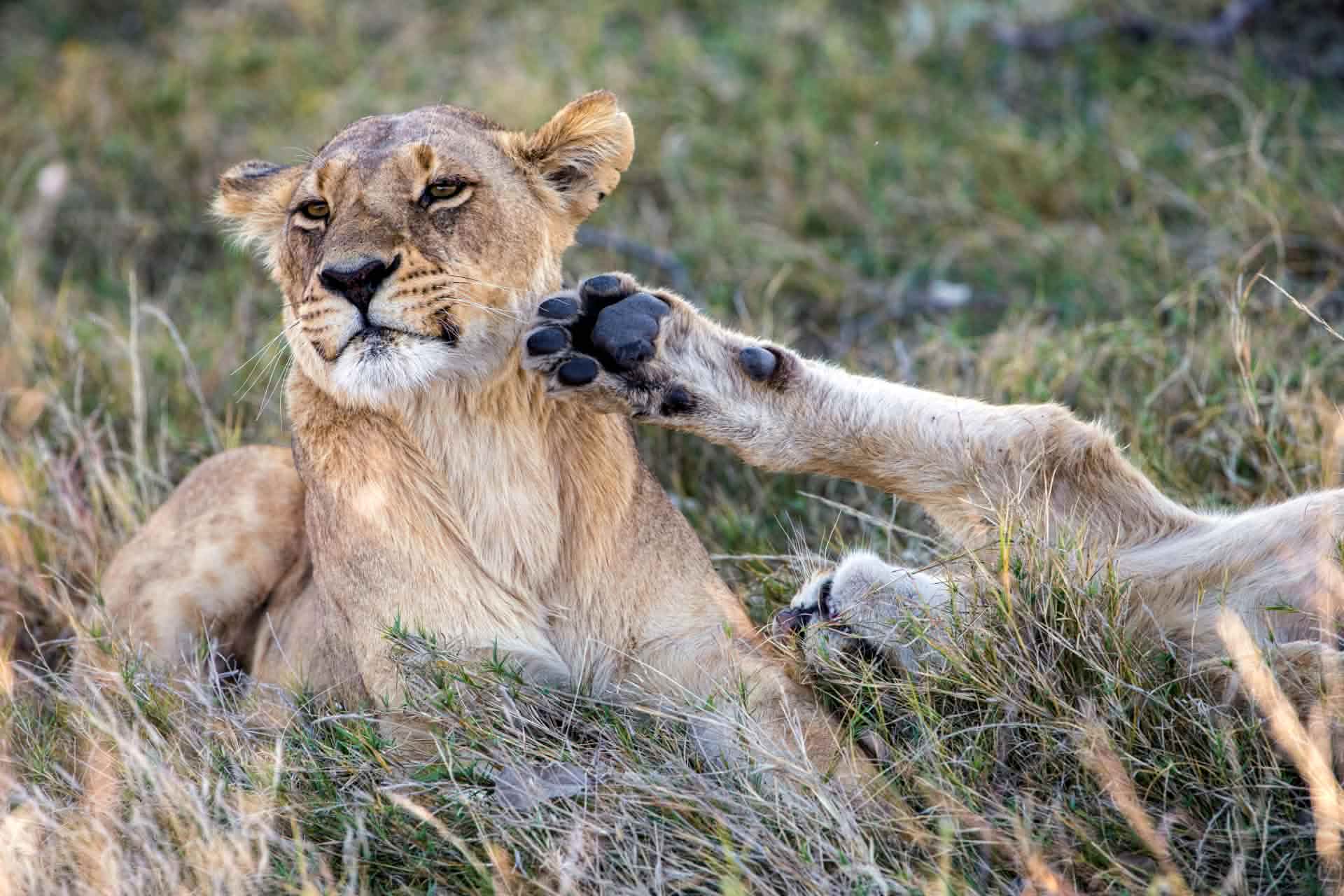
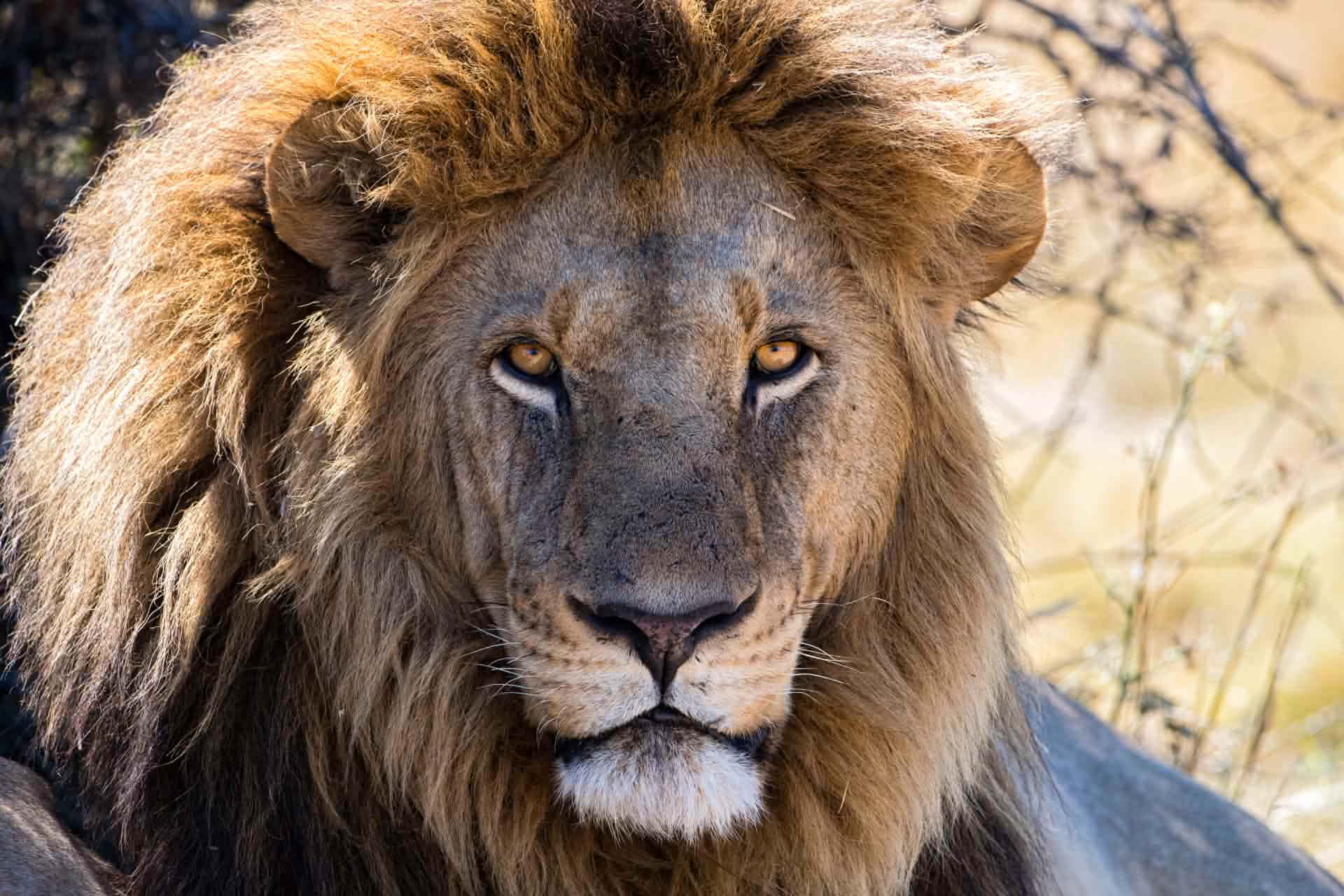
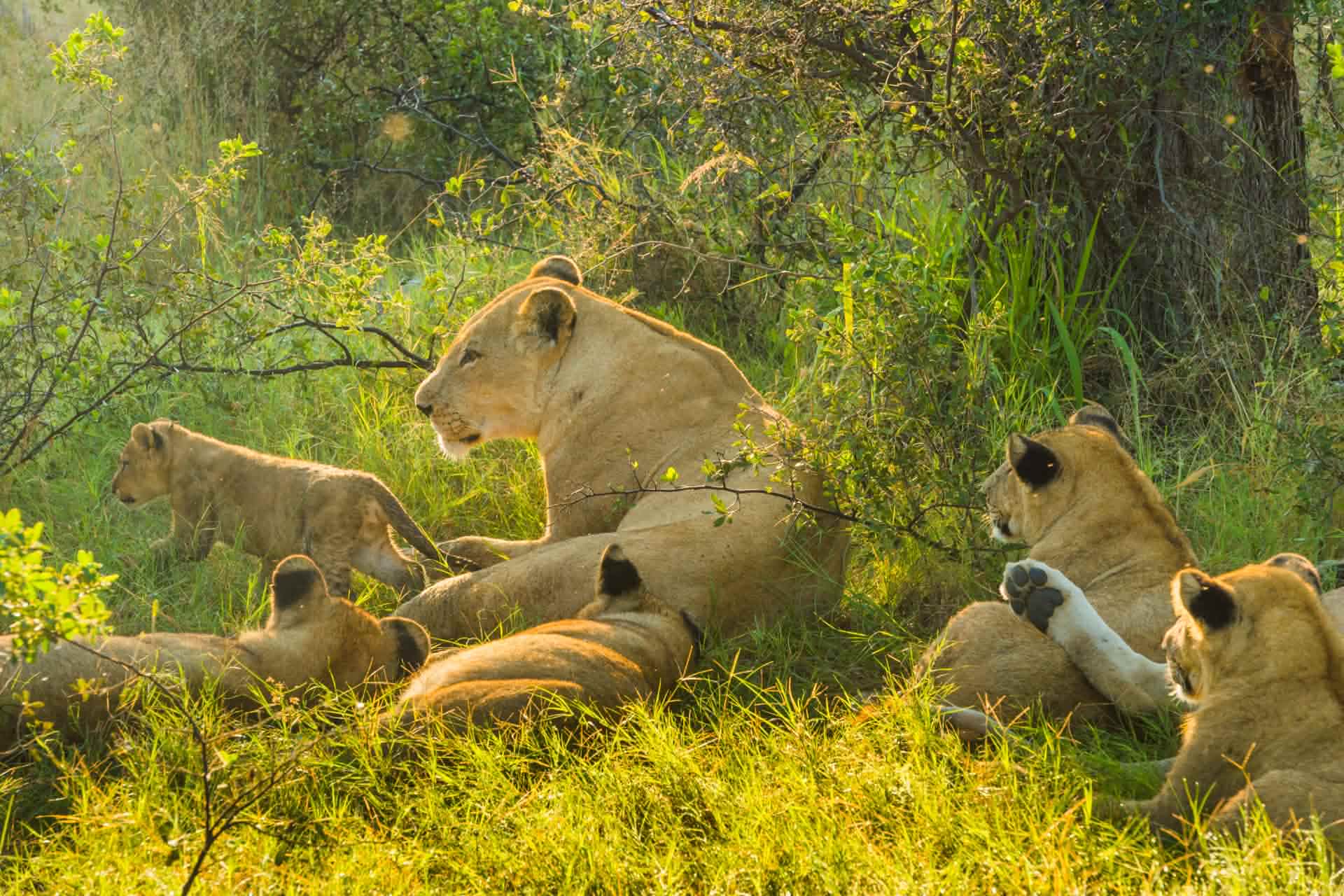
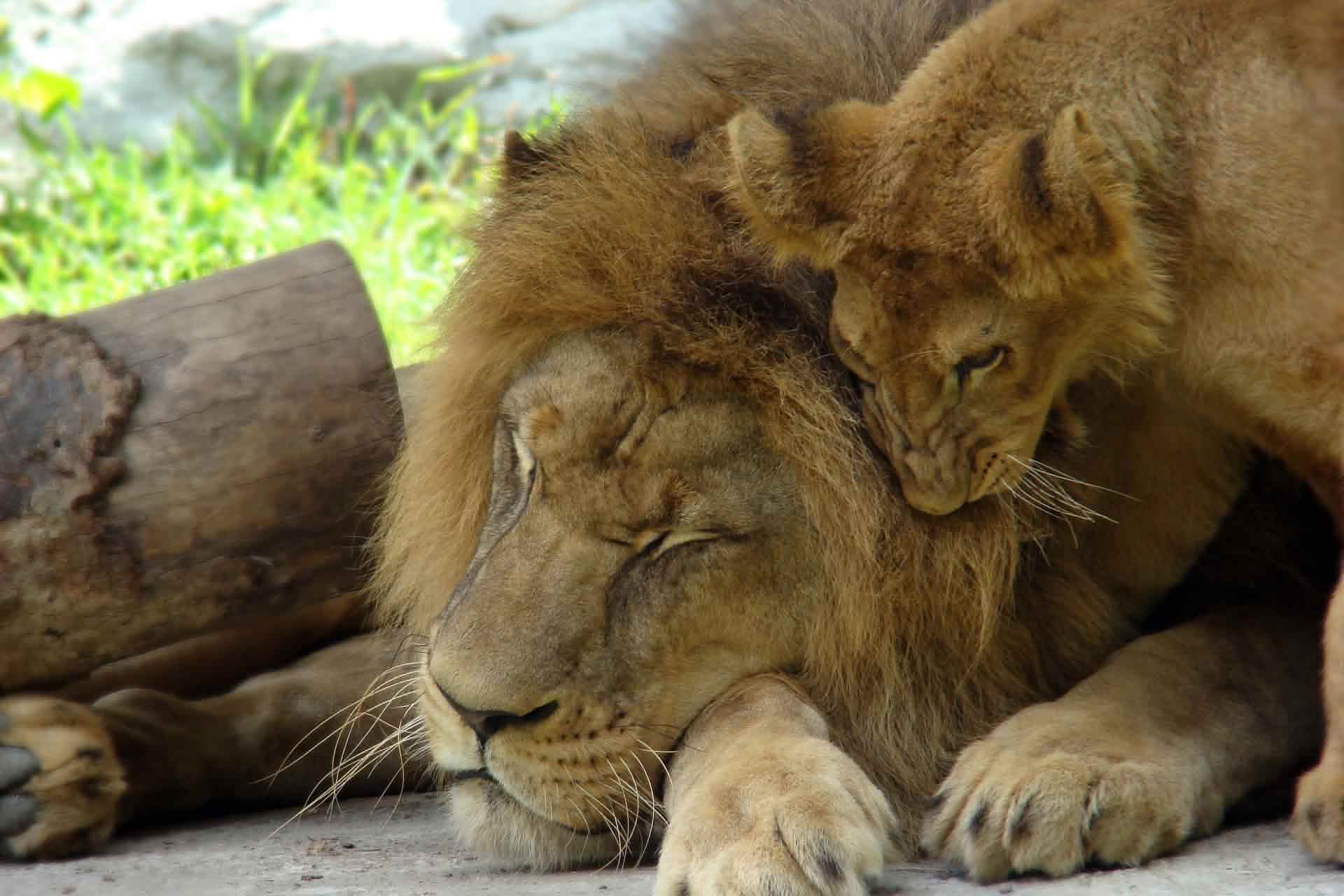
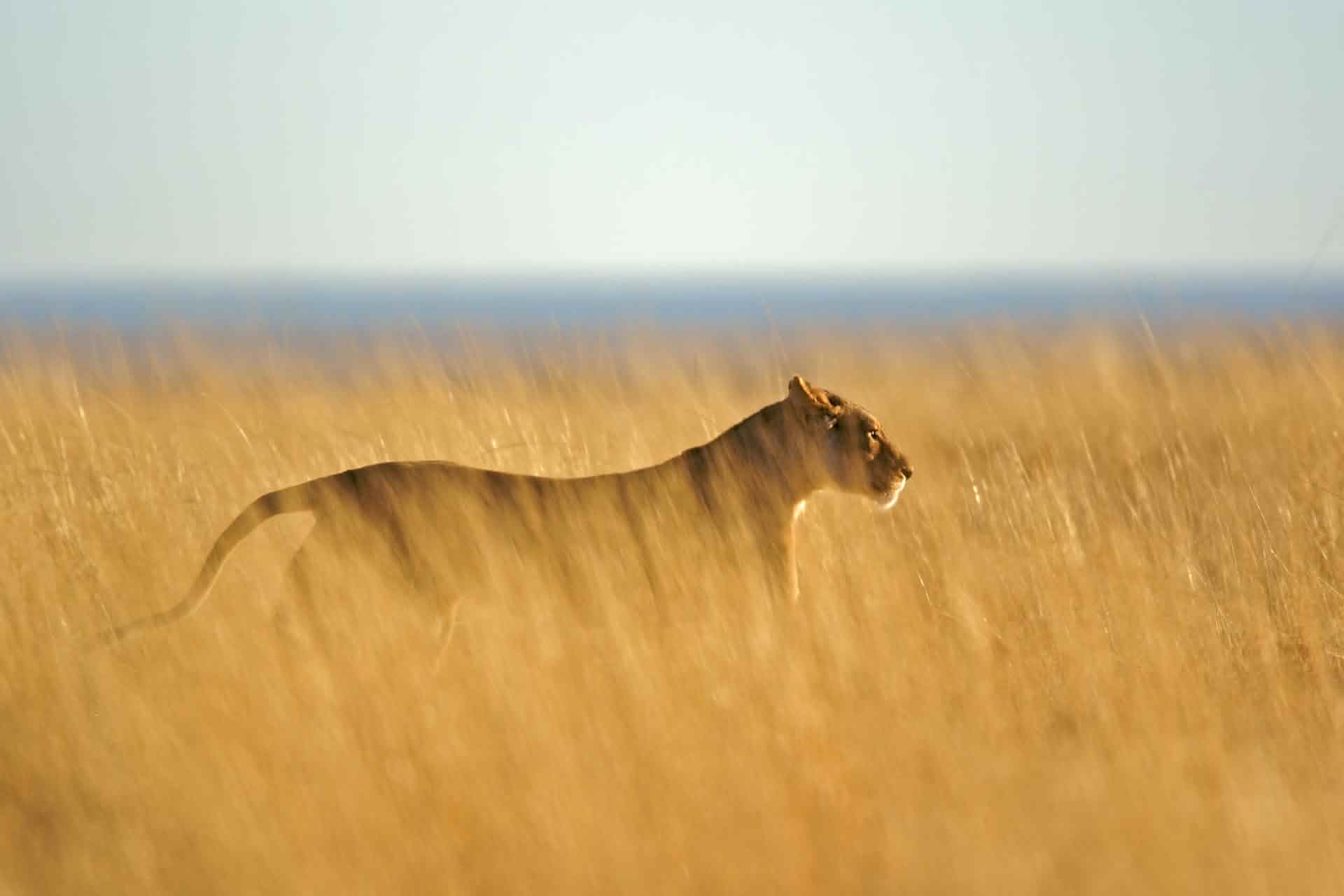
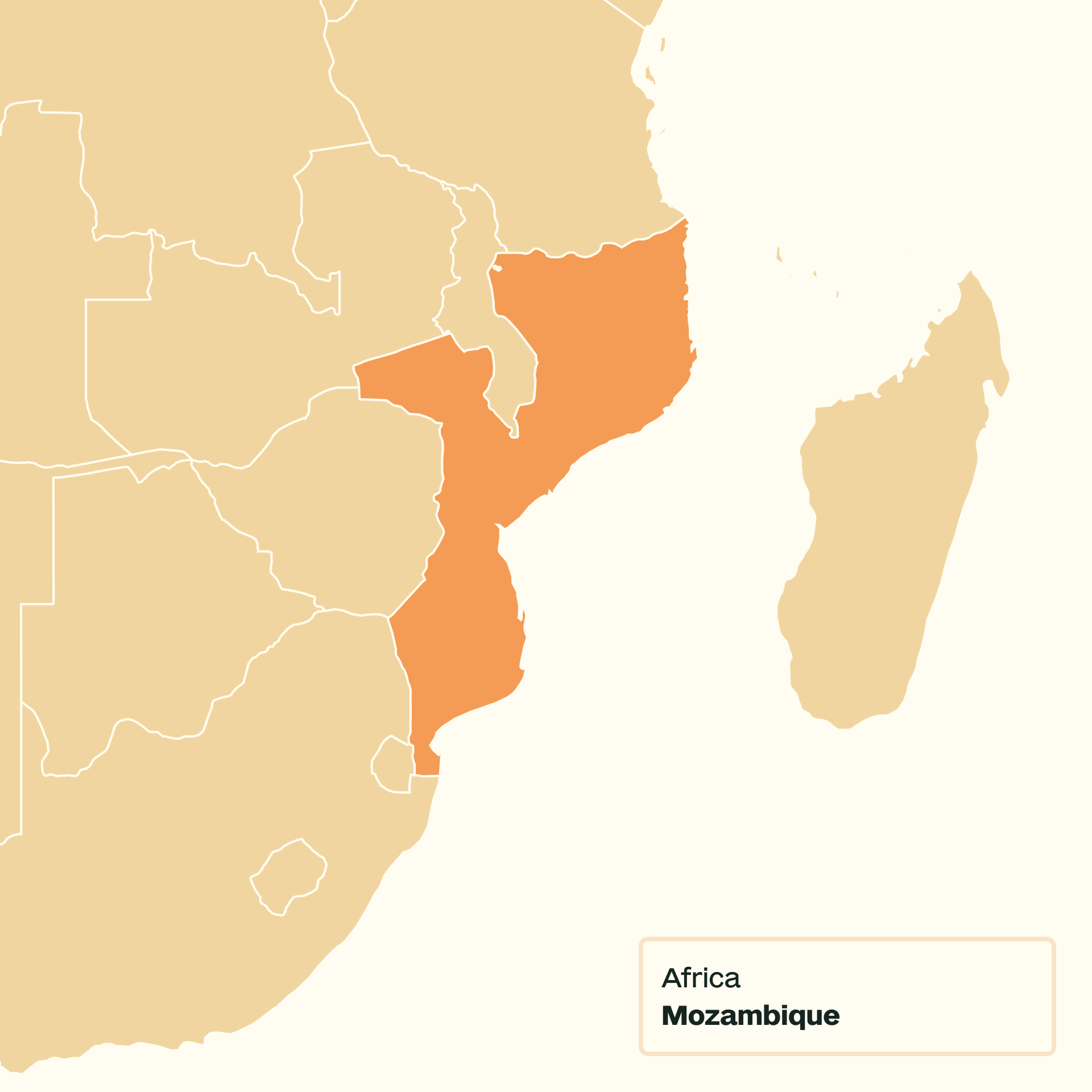
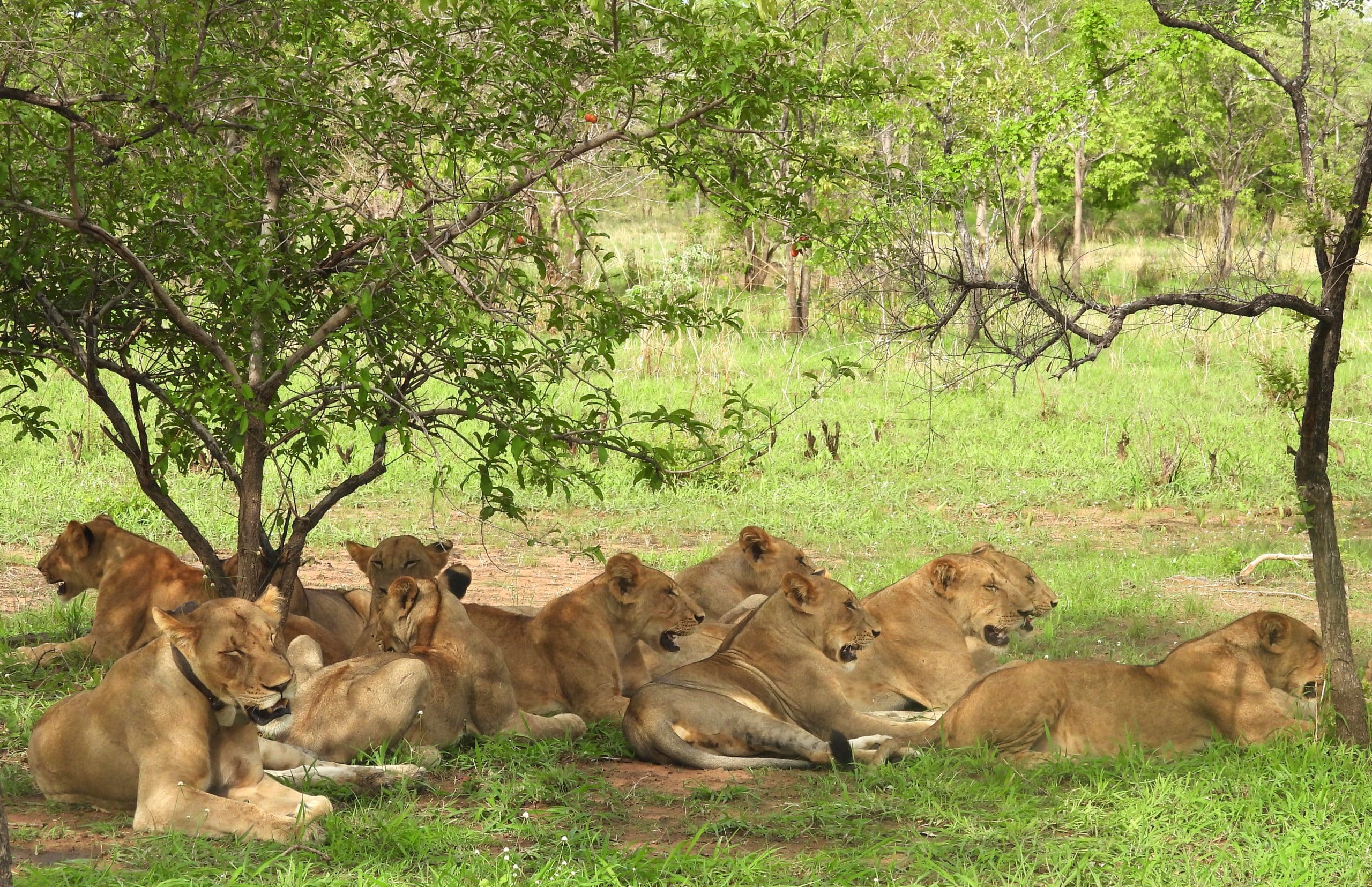
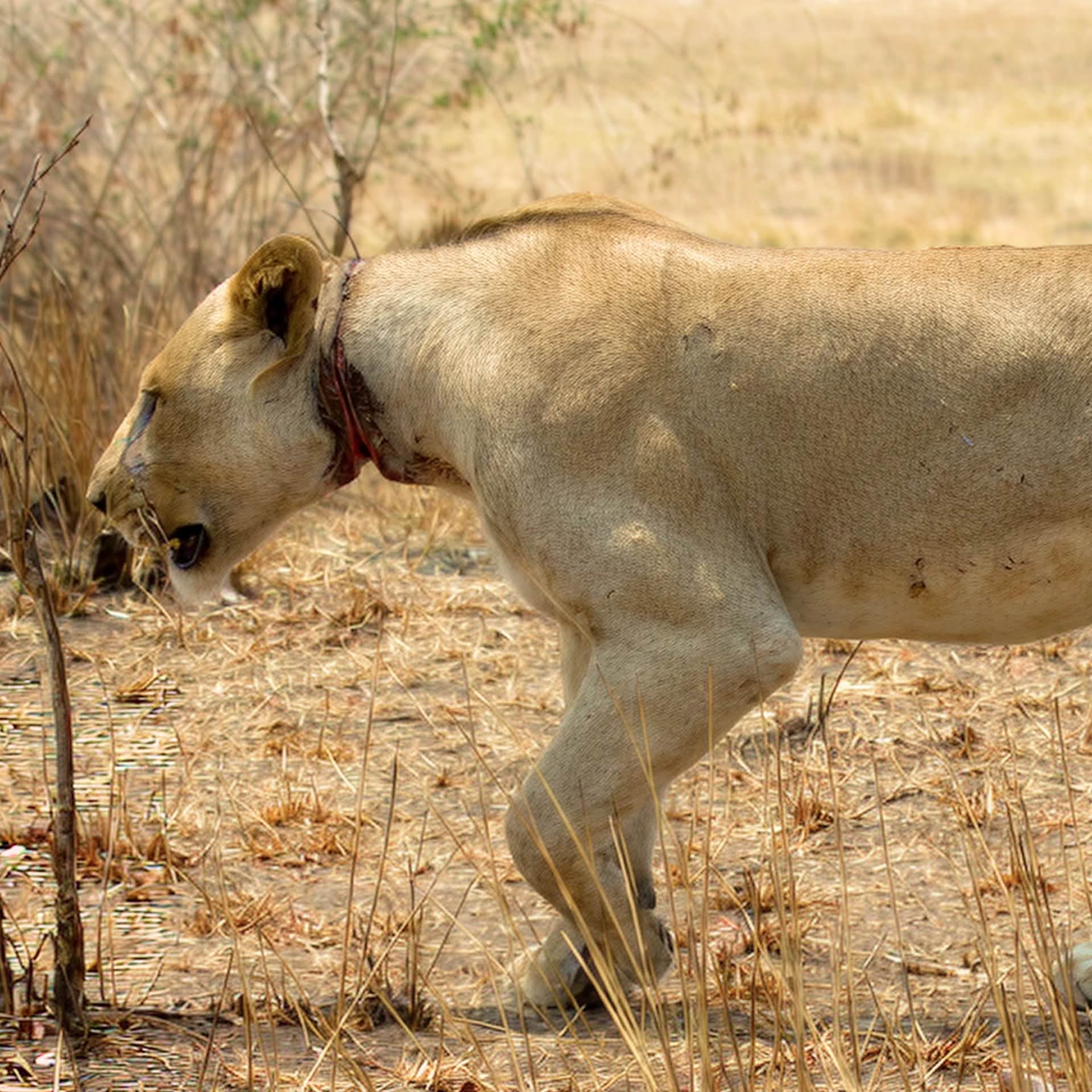
Niassa Special Reserve in Mozambique is one of the important remaining strongholds for the African lion, with its dramatic landscapes and wildlife populations remaining largely untouched. However, a growing human population of 60,000 in Niassa that needs food and income poses challenges to the reserve’s 800 lions. With few opportunities for education and employment, many families rely on the use of natural resources—particularly fish, skins, ivory, and bushmeat—to support their subsistence lifestyles. The greatest threat to lions in Niassa comes from snares that are set to capture bushmeat and a growing trade in lion skins, claws, and teeth.
Niassa Lion Project (NLP), which combines scientific rigor with passion, empathy and sound management practices, is as much about people as it is about lions. The team aims to build a sustainable lion-friendly community by working closely with community members, government officials, reserve management team, and tourism operators. They consider everyone a participant in conservation.
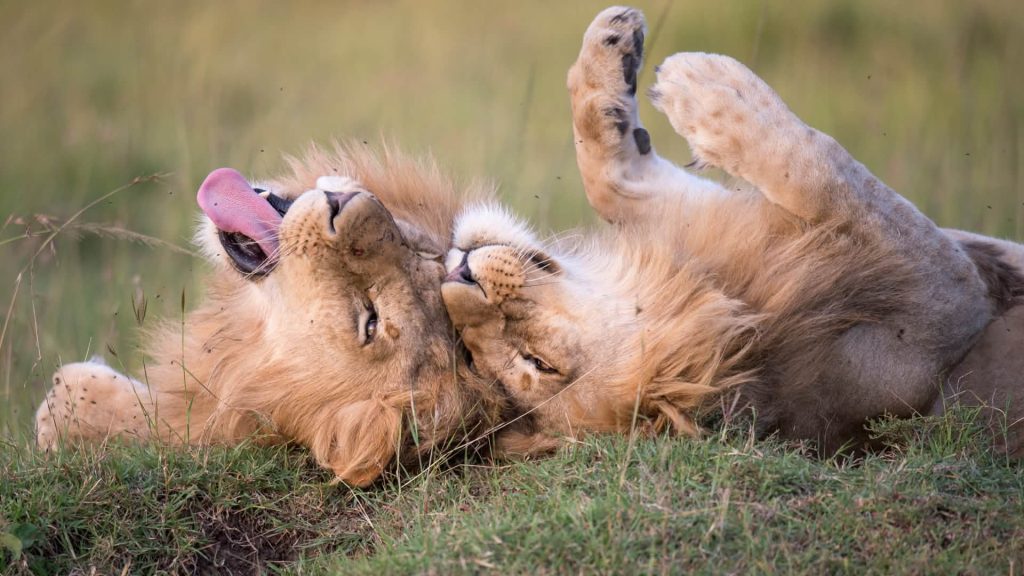
Protect Lions
With WCN’s 100% model, your entire gift supports the conservationists working to protect lions in the wild.
Lions—Niassa:
Niassa Lion Project
Choose an amount to donate:
10,000
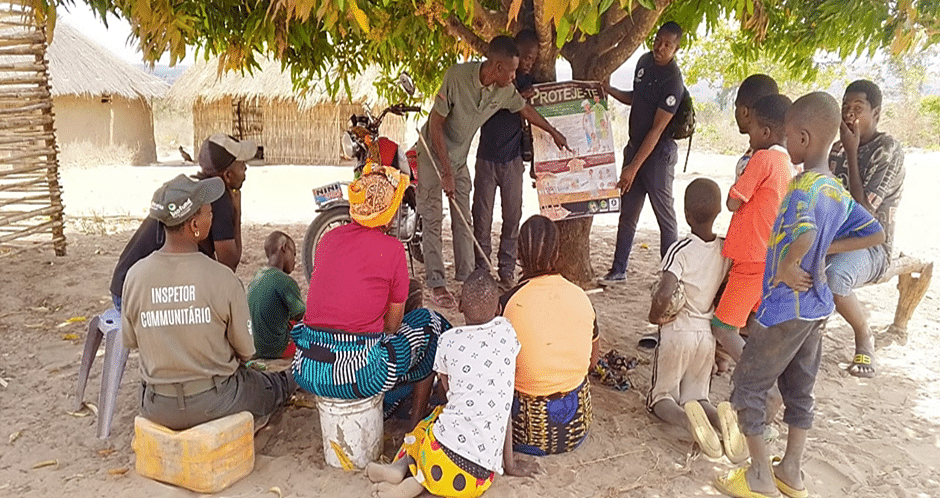
Educated
Through Niassa Lion Project’s education and outreach programs aimed to protect Niassa and its carnivores.
800
Locals Supported
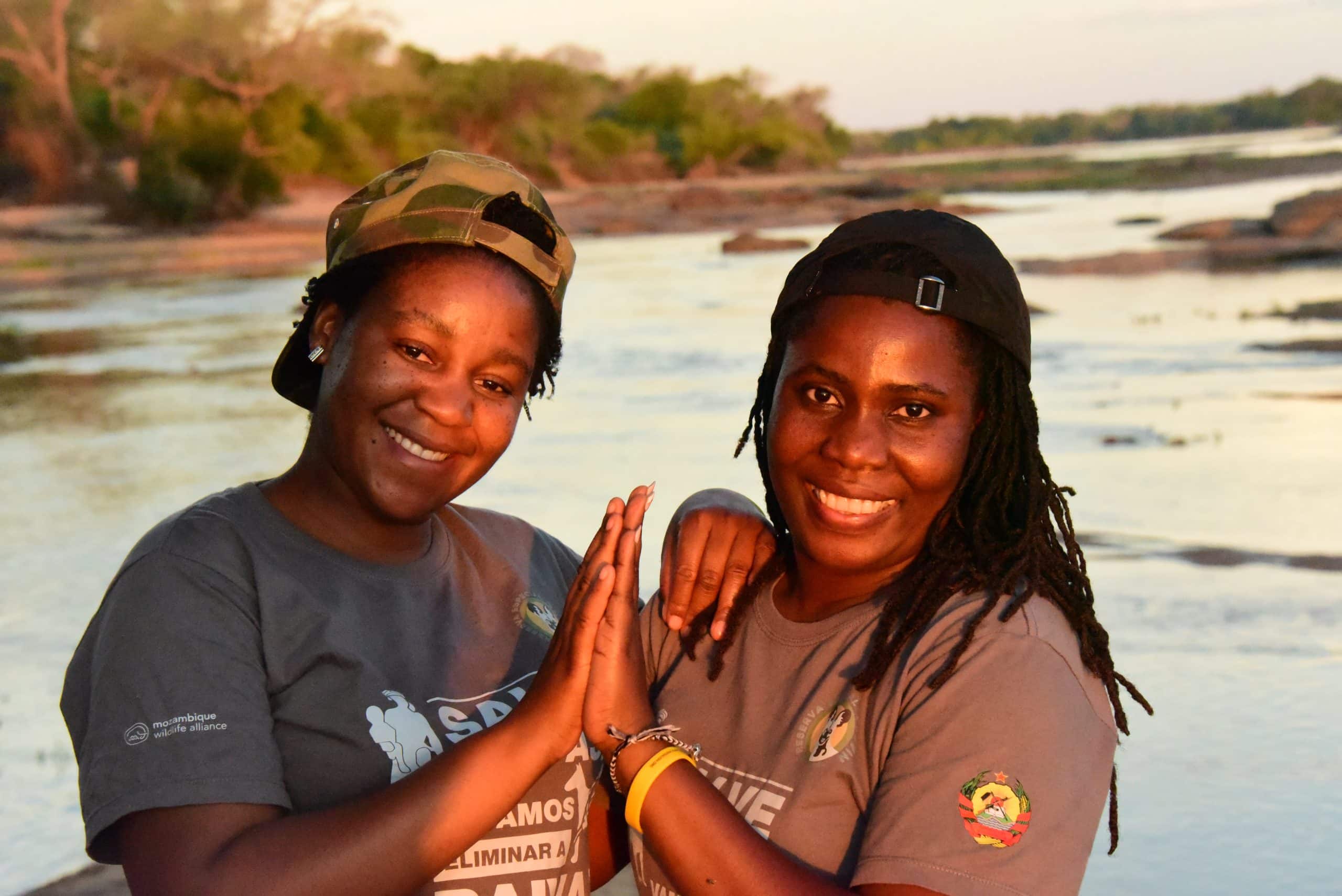
With alternative livelihood programs or employment with NLP.
49,100
Square Kilometers of Habitat
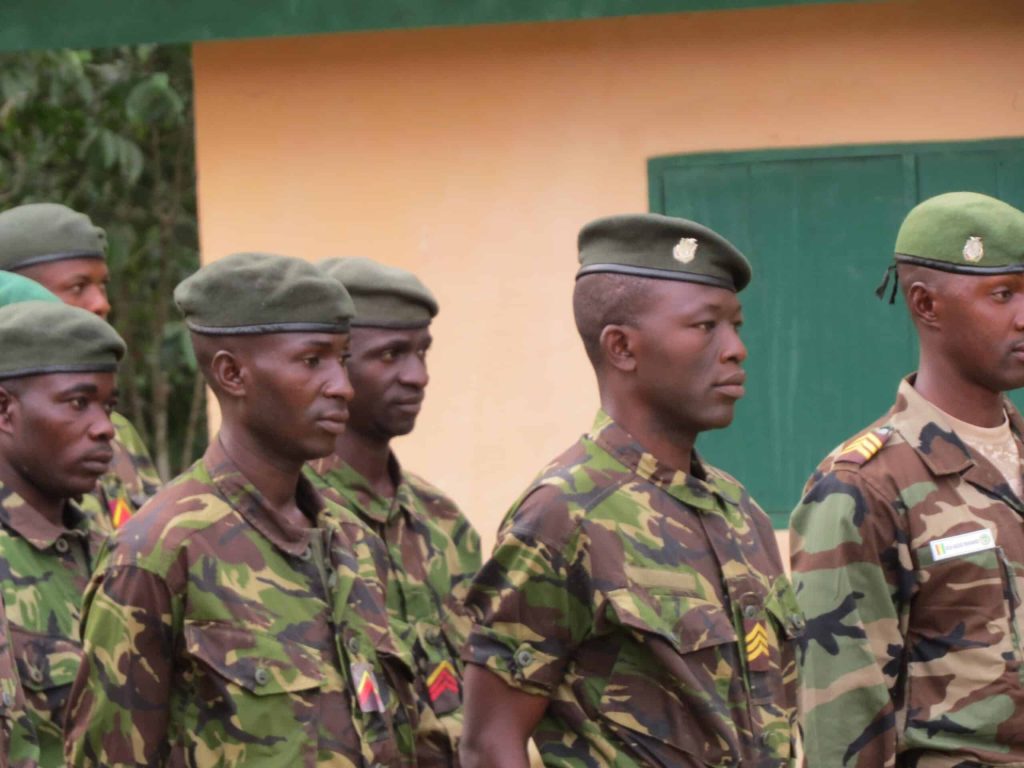
Protected in Niassa through Niassa Lion Project’s monitoring and anti-poaching efforts.
Solutions in Action

Thriving Wildlife
Combating Wildlife Crime
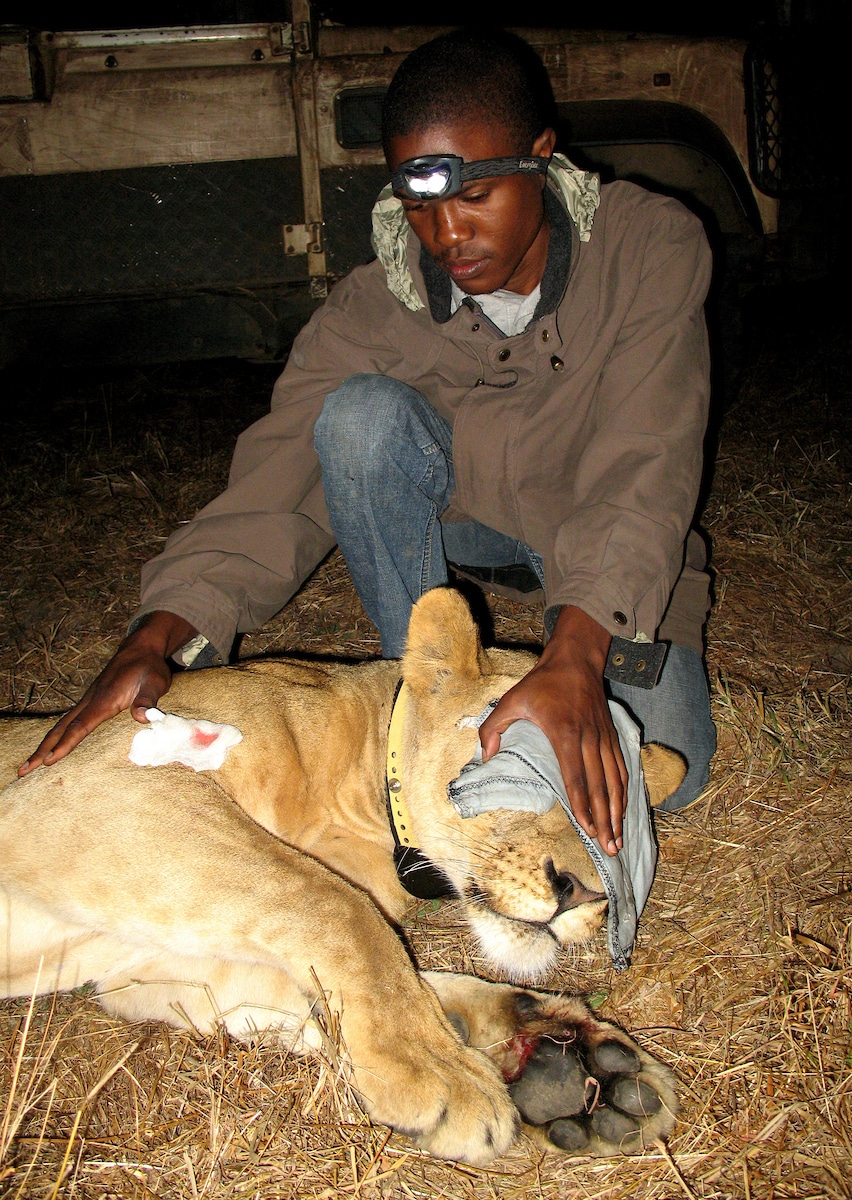
NLP’s anti-poaching program aims to reduce the illegal activities of snaring, mining, and elephant poaching in the Niassa Special Reserve. NLP strongly believes that reducing illegal wildlife activities can only be achieved through a holistic approach. Well-disciplined anti-poaching is performed in equal partnership with long-term community development and education programs that increase income and food security.

Thriving People
Boosting Local Economies
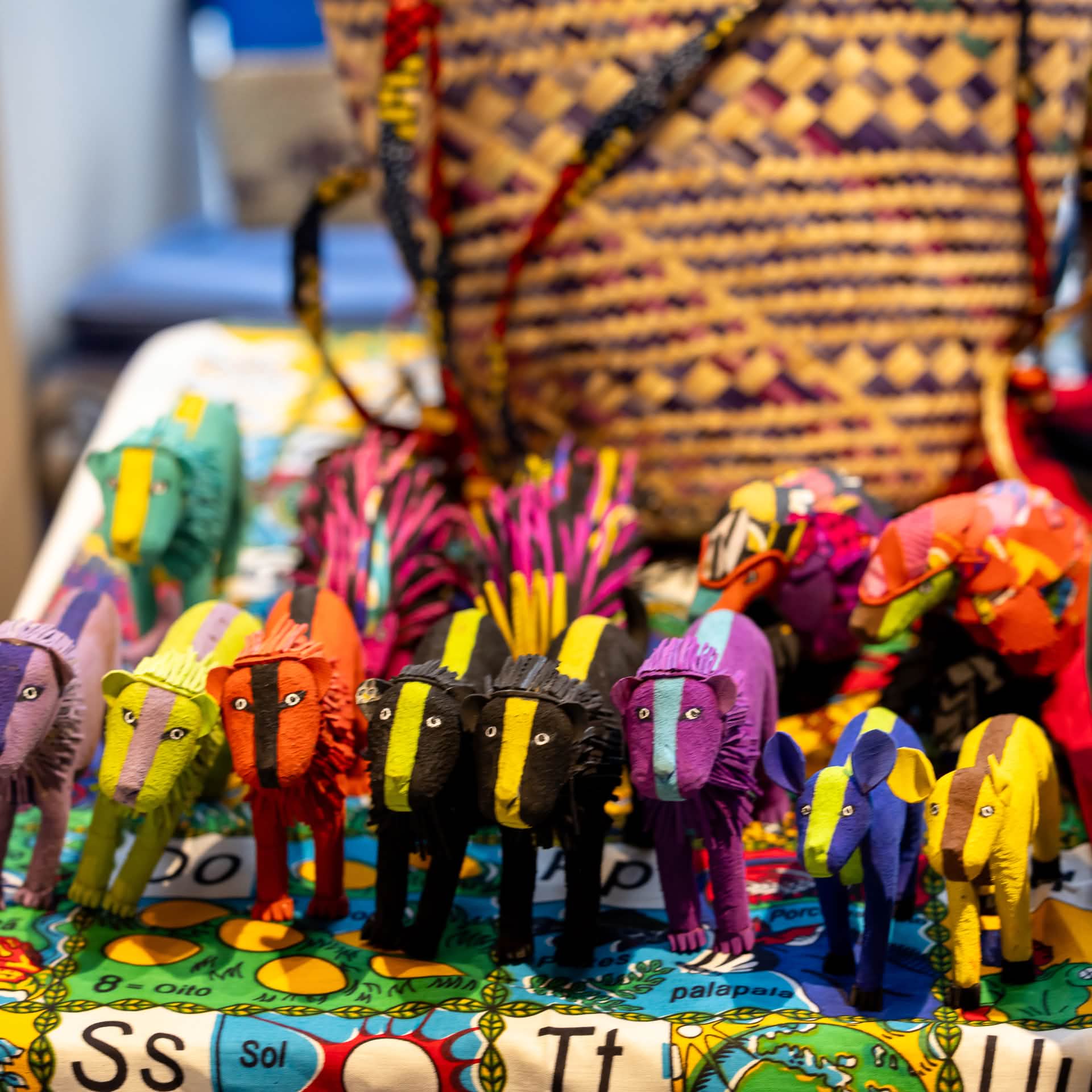
Kushirika, which means “to come together,” is a handmade crafts program focused on the development of new skills and ensuring that traditional skills, such as basket weaving, are passed down to younger generations. Participants, including both men and women, have rules for joining the group, including no snaring or illegal activities. All income generated from their sale goes directly to the producers.

Thriving Wildlife & People
Conservation Agriculture & Ecotourism
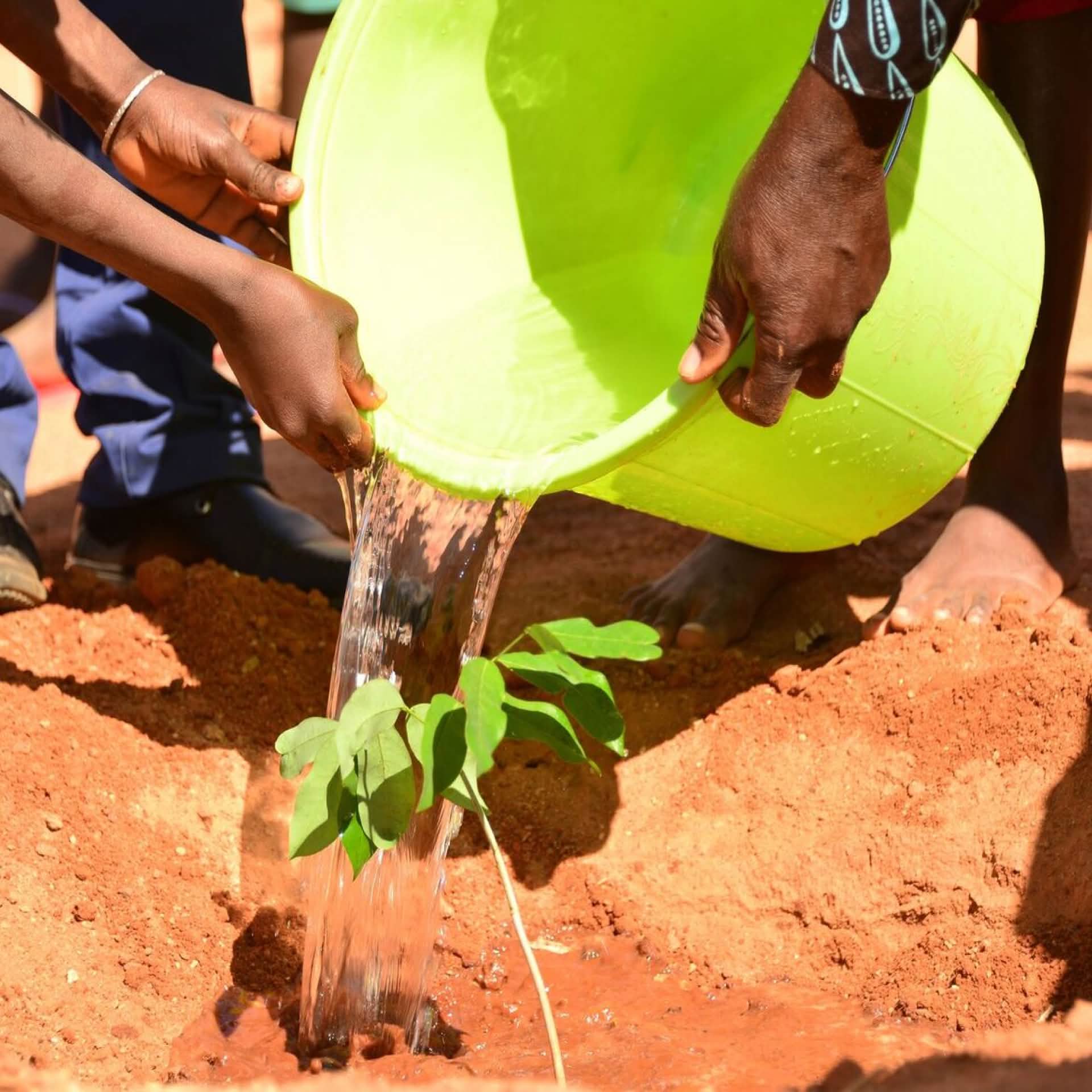
Slash and burn agriculture is common in Niassa National Reserve, leading to low soil fertility. NLP works with farmers to improve soil productivity through their farmer field school, teaching techniques like low tillage, crop mixing, and mulching. Improving food security is essential for conservation to be successful, so NLP also leads beekeeping, small livestock breeding, and craft-making programs.
Quote"We need to challenge the perception, often shaped by media and perhaps the stories people see, that conservation is easy. The truth is, as we all know, conservation is hard. It takes time, perseverance, and a willingness to try, fail, and try again, often more than once, before you find what truly works."
Agostinho Jorge, Conservation Director Niassa Lion Project