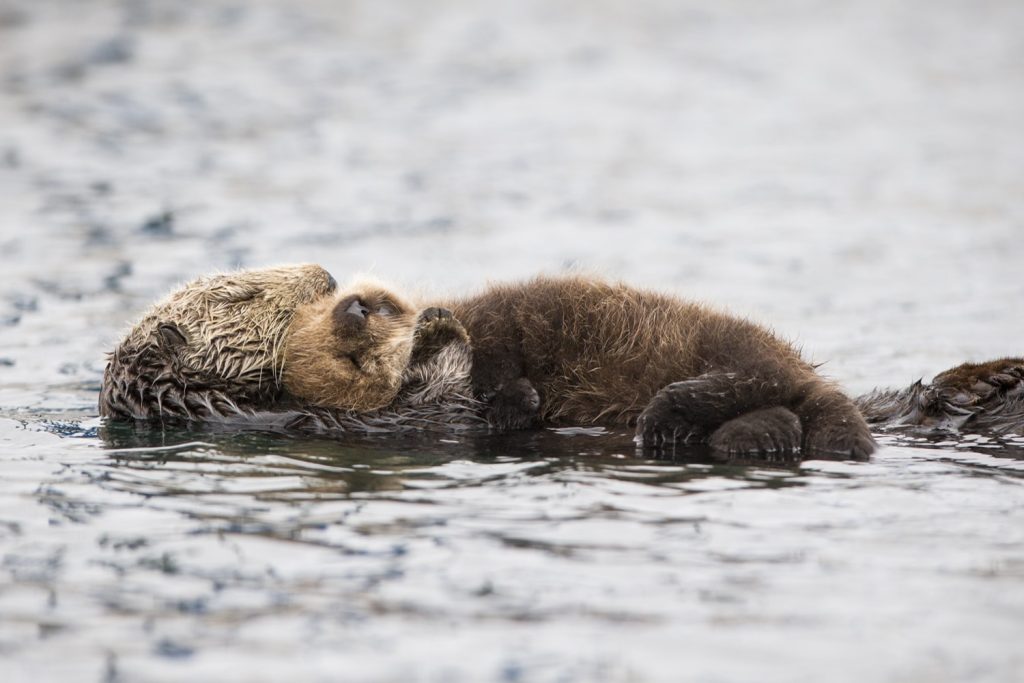
As a child growing up along the rugged, salt-sprayed coastline of Northern California, Jen Miller spent endless afternoons exploring tidepools, enthralled by the urchins and kelp she discovered there. Decades later, as a PhD student studying wild carnivores, Miller realized that her childhood tidepooling had coincided with the re-expansion of sea otters along the California coast, and that the urchins and kelp she had touched were part of a larger story shaped by this ravenous returning force. Sea otters, with their voracious appetite, had devoured so many crustaceans that kelp forests and seagrass meadows – and the rich biodiversity associated with them – were able to thrive once again in the Monterey Bay.
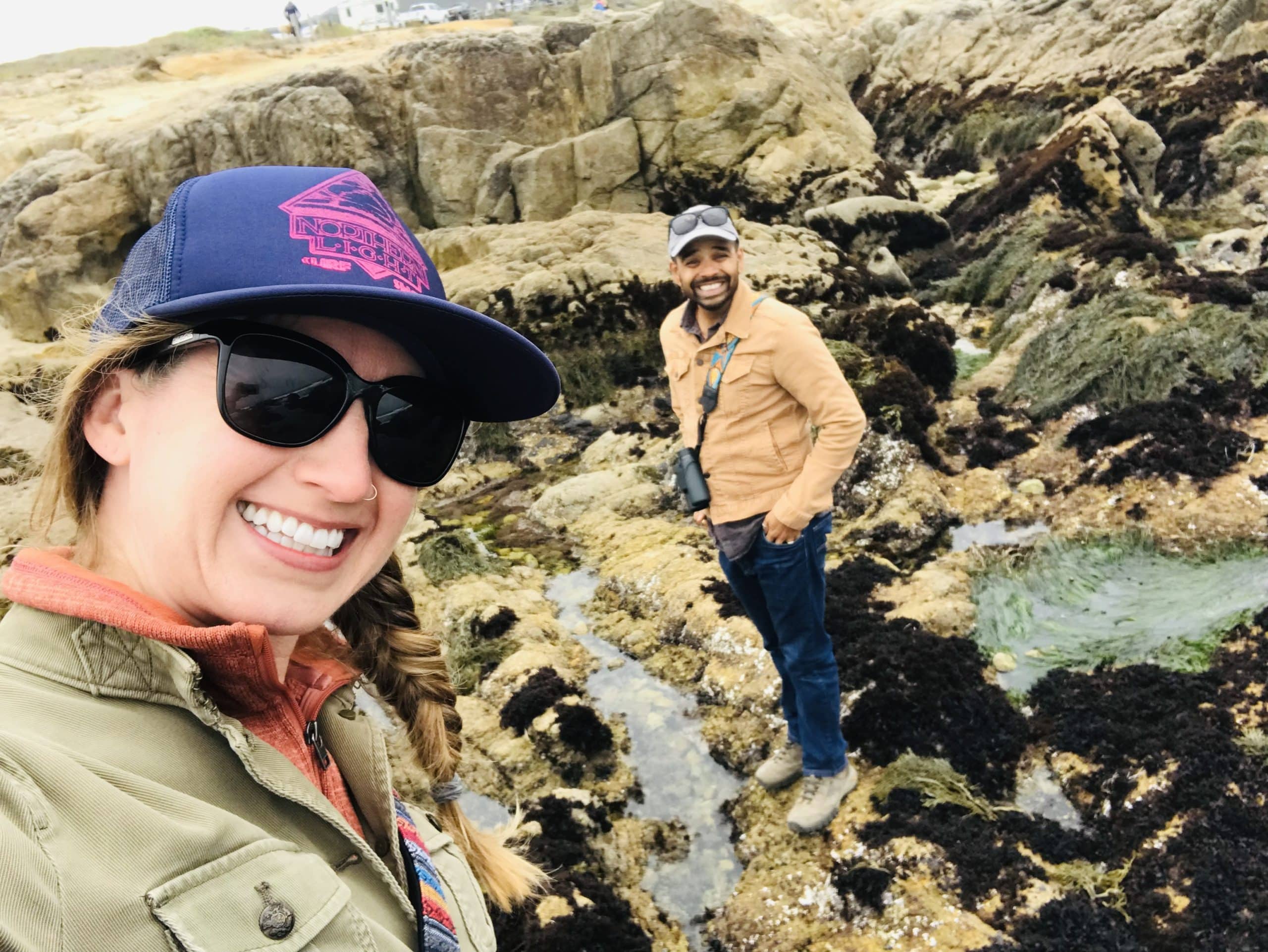
As Miller worked to conserve threatened carnivores around the world – tigers in Asia, lions in Africa, shortfin mako sharks in the Atlantic – the sea otter story continued to captivate her. She and her husband even chose to honeymoon with sea otters in Monterey Bay and seek solace with them during the Covid shutdown.
In April this year, when the Wildlife Conservation Network (WCN) announced a new Sea Otter Fund to help recover the species across its full range, she knew it was her opportunity to dive in. In September, Miller joined WCN as the Senior Manager of the Sea Otter Fund to guide the Fund’s strategy and impact.
“Joining WCN to support sea otters feels like coming home – I’m excited to apply my experience with carnivore conservation and my lifelong passion for sea otters to guide real restoration along my native coast. This is a moment of momentum for sea otter conservation, and I’m energized to steer the Sea Otter Fund towards making a meaningful difference for coastal ecosystems and the communities that depend on them.”
— Dr. Jen Miller, Senior Manager, Sea Otter Fund, WCN
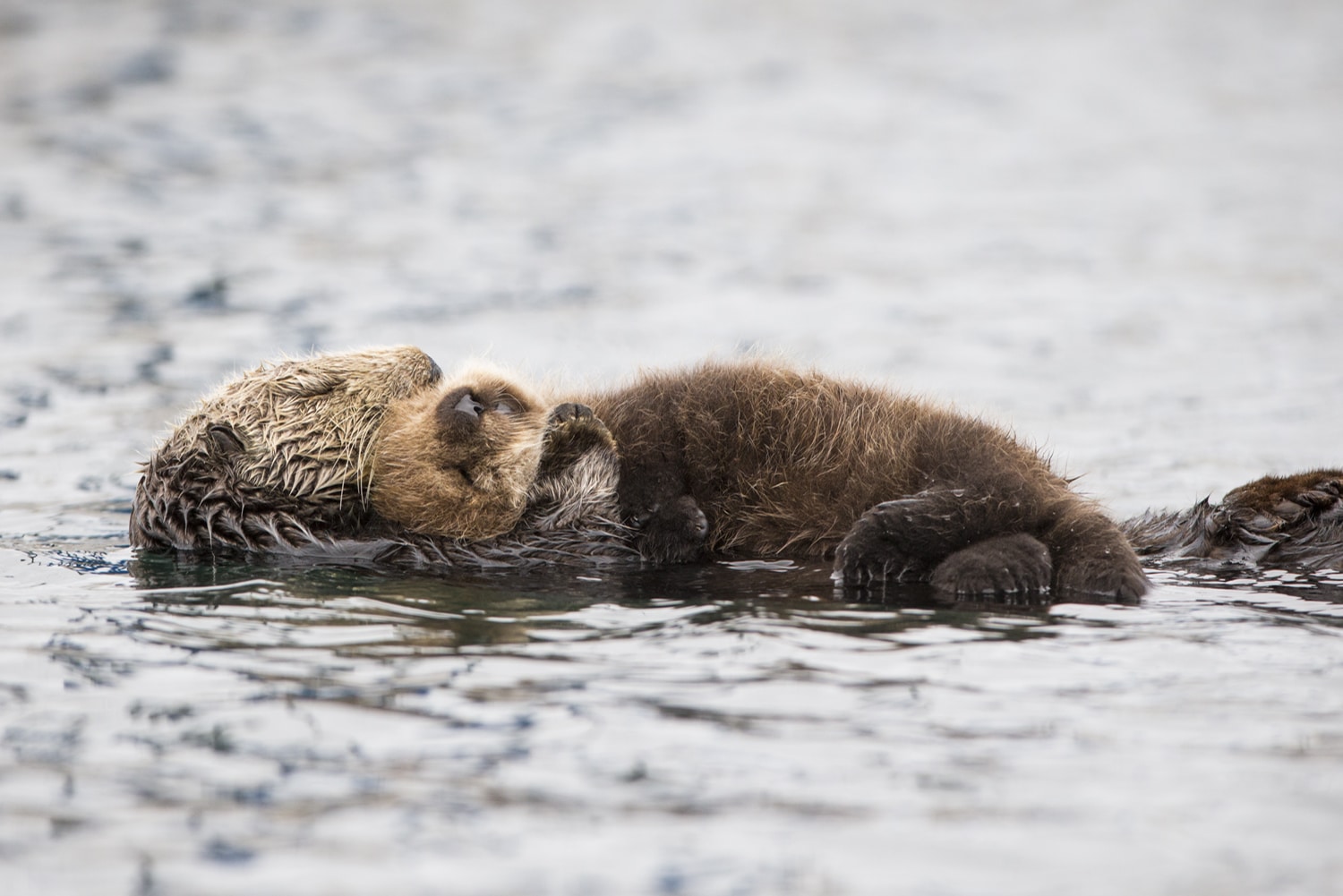
Miller’s scientific expertise, leadership experience, and personal connection to the Pacific coast makes her uniquely positioned to direct the Sea Otter Fund. She has contributed to interdisciplinary conservation science, policy, and grant programs on five continents addressing human-carnivore conflict, wildlife trafficking, protected area management, and policy protections for a range of threatened species, including marine mammals, big cats and songbirds. Prior to joining WCN, Miller worked with the U.S. Fish and Wildlife Service as a program officer managing grants on international wildlife trafficking, and with Defenders of Wildlife and Panthera as a scientist advancing carnivore research, policy, and conservation.
The Sea Otter Fund aims to restore sea otters along their historical U.S. Pacific Coast range. The Fund will support conservation groups, scientists, tribes, fishermen, government agencies, and community leaders in advancing sea otter and marine ecosystem recovery while aligning efforts with local priorities.
Launched in 2025 and informed by a team of experienced conservation and philanthropy professionals, the Sea Otter Fund works range-wide across the Pacific Coast to deliver the greatest impact for sea otters and the ecosystems they anchor.
Collaboration is at its core: no single organization can achieve this goal, so the Fund unites the investments and expertise of multiple funders and diverse partners. WCN’s 100% model ensures every donated dollar goes directly to sea otter conservation, with zero overhead or administrative costs. Like a venture capital fund for wildlife, the Sea Otter Fund scouts for the best ideas, whether from individuals, small nonprofits, or established institutions, and provides flexible seed or sustaining support.
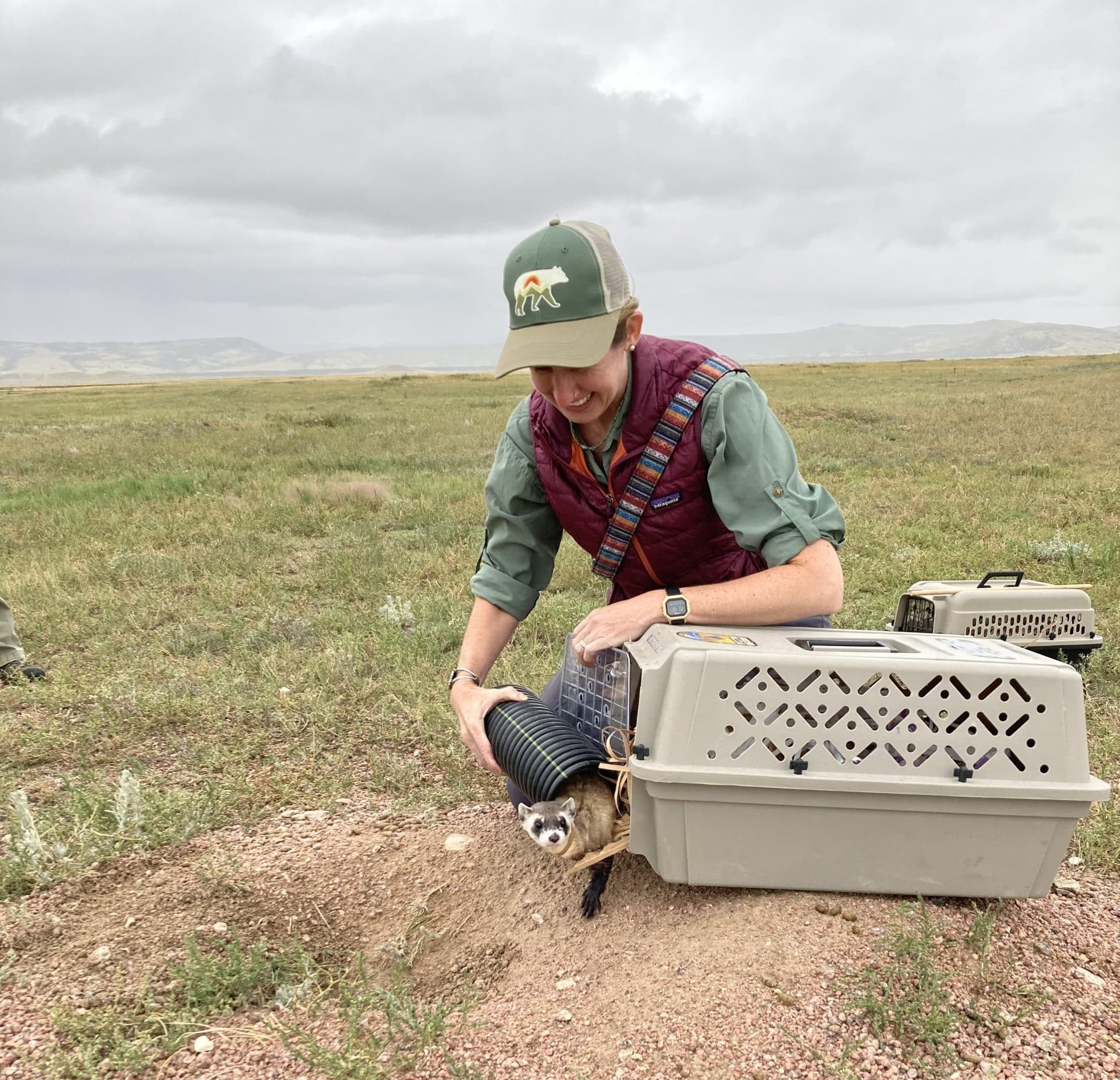
“With Jen Miller at the helm, we have a captain who brings both the scientific compass and the steady hand needed to steer this program toward lasting conservation impact.”
— Paul Thomson, Chief Programs Officer, Wildlife Conservation Network
Miller’s first task at hand will be to develop a strategy for investment that balances the needs of the moment with a long-term vision for how WCN can best support sea otter recovery efforts. Without a doubt, she’ll be back at the tidepools for inspiration from the sea otters that drive it all.
The tidepools that first sparked her wonder are now touchstones for a larger mission, one where sea otters remain the keystone, shaping ecosystems and inspiring bold action. What began as a child’s fascination with urchins and kelp has become a professional pursuit to ensure that these waters, and the species that define them, continue to flourish.