


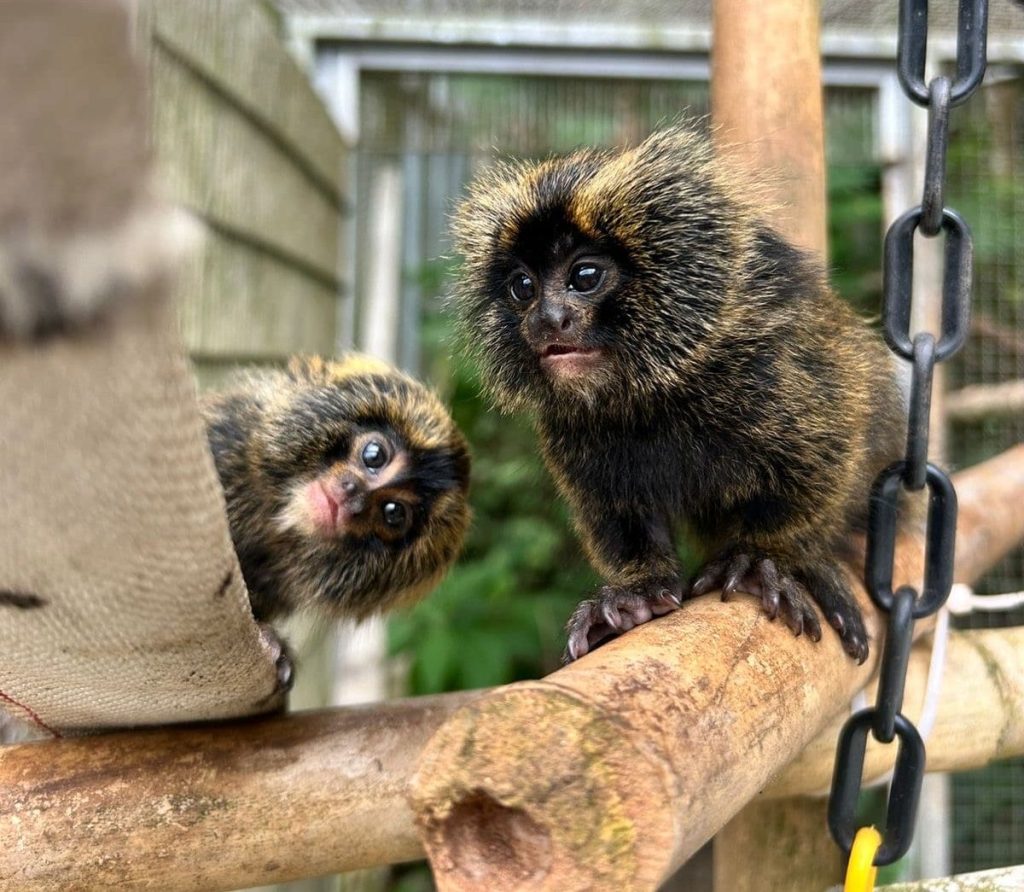
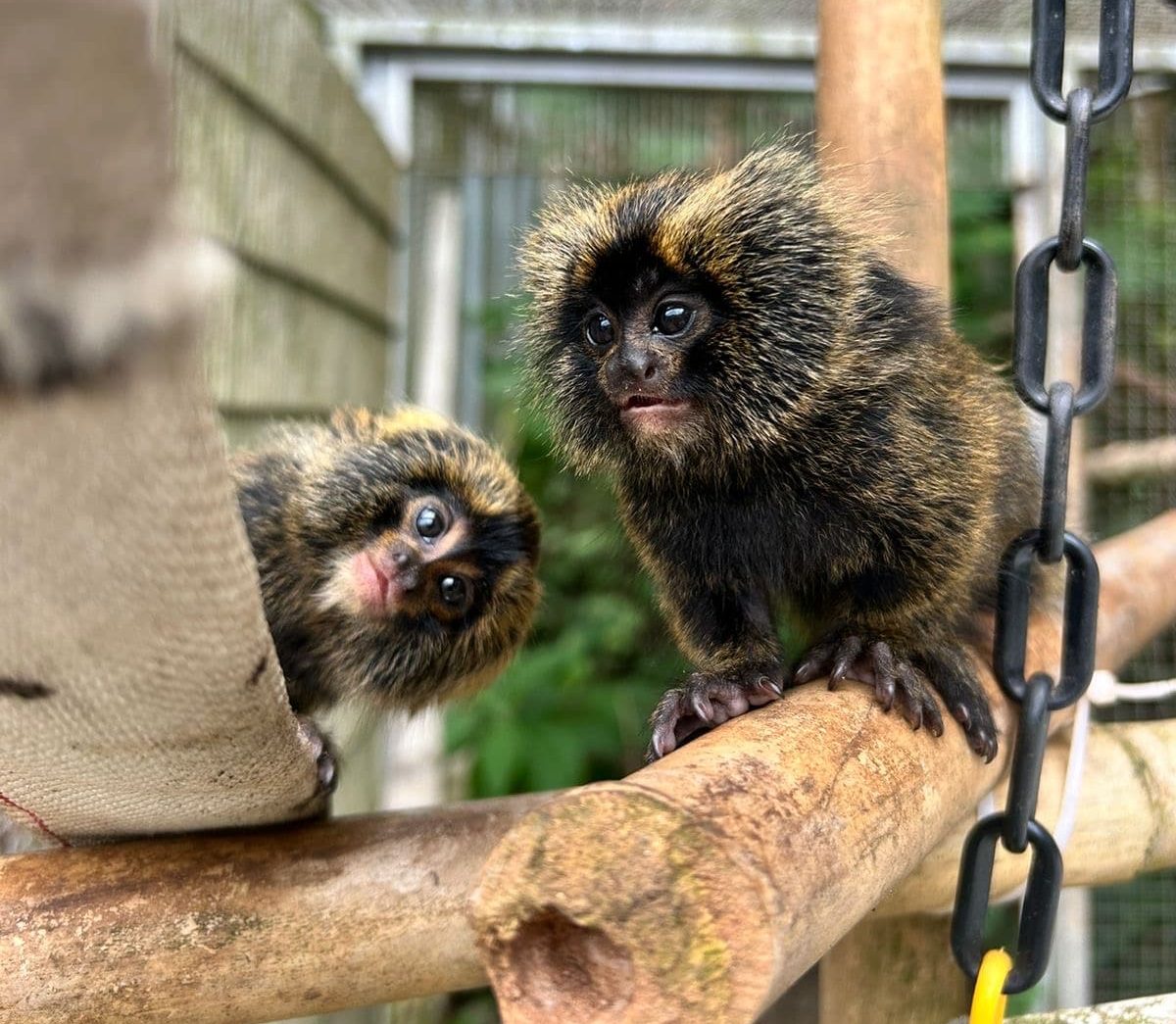
Damp fur clinging to its tiny frame, the newborn buffy tufted-ear marmoset (Callithrix aurita) took its first breaths pressed against its mother’s body. A short distance away, Isabela Mascarenhas watched as the marmoset’s twin, no bigger than a mouse, entered the world. Cacau and Castanha’s birth in November 2021 marked the first buffy tufted-ear marmosets born at the Mountain Marmoset Conservation Centre (MMCC) in Viçosa, Brazil. As an Endangered species dwindling under pressures stemming from its invasive cousins, the common marmoset (C. jacchus) and black-tufted marmoset (C. penicillata), these twins represented hope for this unique species to once again thrive in their native landscape, Brazil’s Atlantic Forest. To support MMCC’s vision of strengthening wild populations of buffy tufted-ear marmosets through reintroduction, Isabela, funded by a WCN scholarship, is pursuing veterinary research to develop safe translocation protocols.
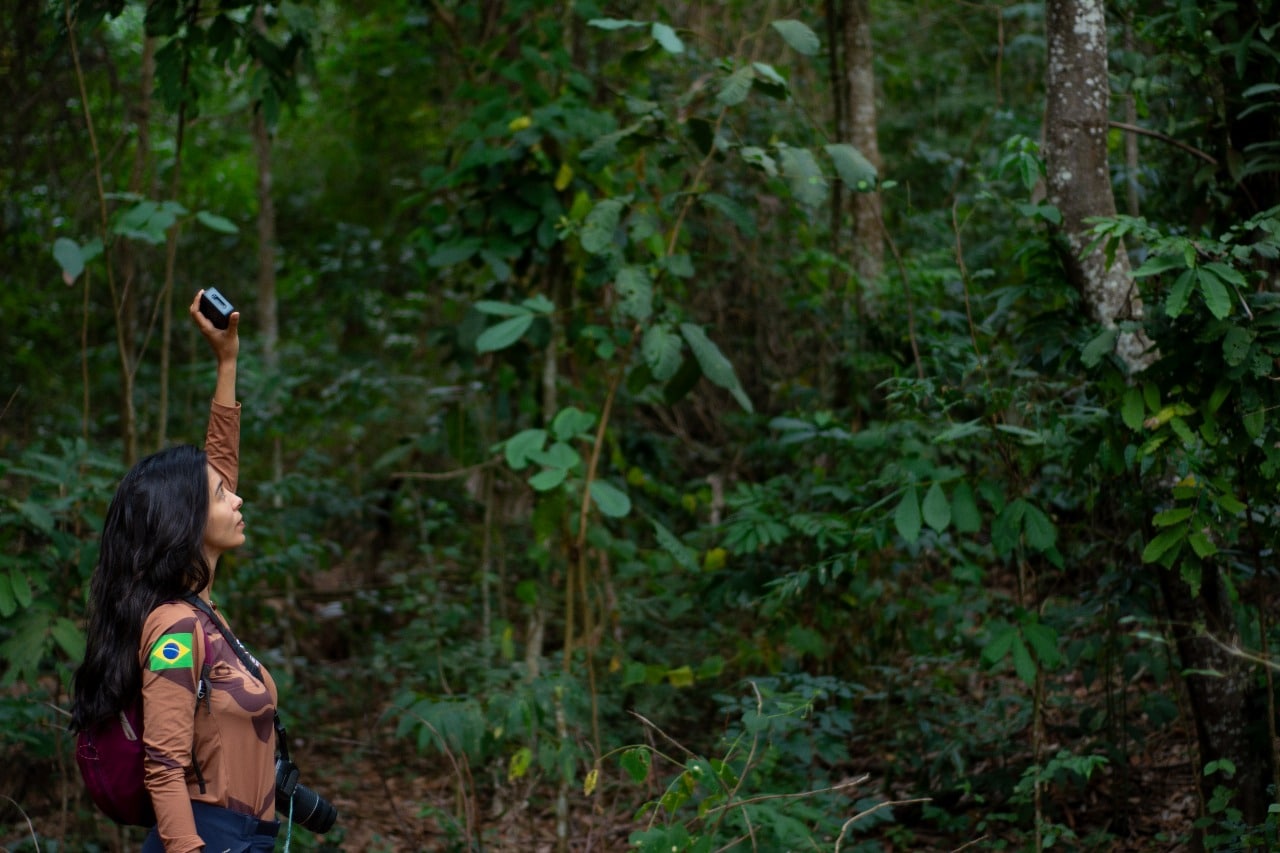
Initially as a volunteer in MMCC’s educational programs and later as a collaborating veterinarian and researcher, Isabela has been working tirelessly to address the complex threats facing buffy tufted-ear marmosets. Underlying these challenges is the reality that the Atlantic Forest has dwindled to roughly 10-15% of its original expanse, with development destroying around 300 million acres—an area nearly double the size of Texas. This widespread habitat loss set the stage for potential extinction by isolating populations, making them more vulnerable to disease and competition.
In addition to their shrinking habitat, which continues to be encroached upon, the remaining fragmented forest pockets are increasingly dominated by invasive marmosets. Introduced via the illegal pet trade, these non-native marmosets have established thriving populations that compete aggressively for resources and create pathways for disease transmission due to their proximity to people. They also interbreed with the buffy tufted-ear marmoset, resulting in hybrid populations that further exacerbate competition with the native species. With the buffy tufted-ear marmoset trapped in tiny forest pockets, these compounding threats will lead to their extinction if not checked—a loss that would eliminate crucial seed dispersers whose specialized diets maintain the Atlantic Forest’s original landscape and biodiversity.
While in her PhD program, Isabela has been actively involved with MMCC’s invasive species sterilization program to prevent hybridization of marmosets. She also monitors MMCC’s budding population of buffy tufted-ear marmosets as part of coordinated efforts across multiple institutions to establish a viable safety net population that can help recover the species in the wild. Now, her research focuses on developing veterinary protocols to assess and structure safe translocation of captive-bred marmosets back to parts of the Atlantic Forest. As the breeding program has grown from a single pair to 22 individuals, it is crucial to develop strategies for reintroducing captive marmosets to the wild that navigate the risks of hybridization and disease transmission.
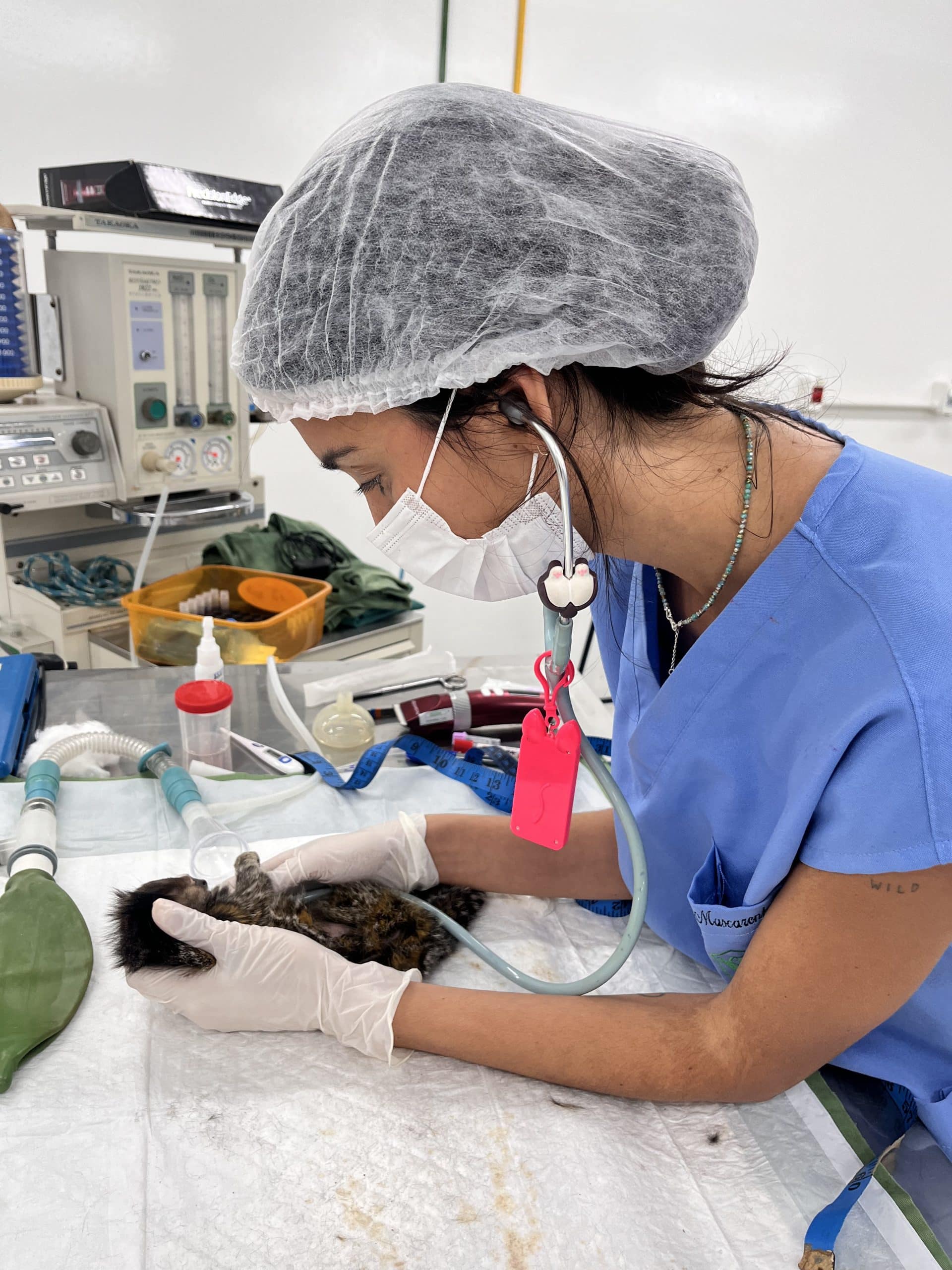
With WCN’s support, Isabela is becoming a critical player in helping the MMCC reintroduce native buffy tufted-ear marmosets. Her work will help realize the potential of MMCC’s breeding program, transforming what began with Cacau and Castanha’s first breaths into something greater: a legacy of descendants born free in the Atlantic Forest.