


Brave Women Warriors
How Rapid Response Units Are Tackling the New Threat to Elephants
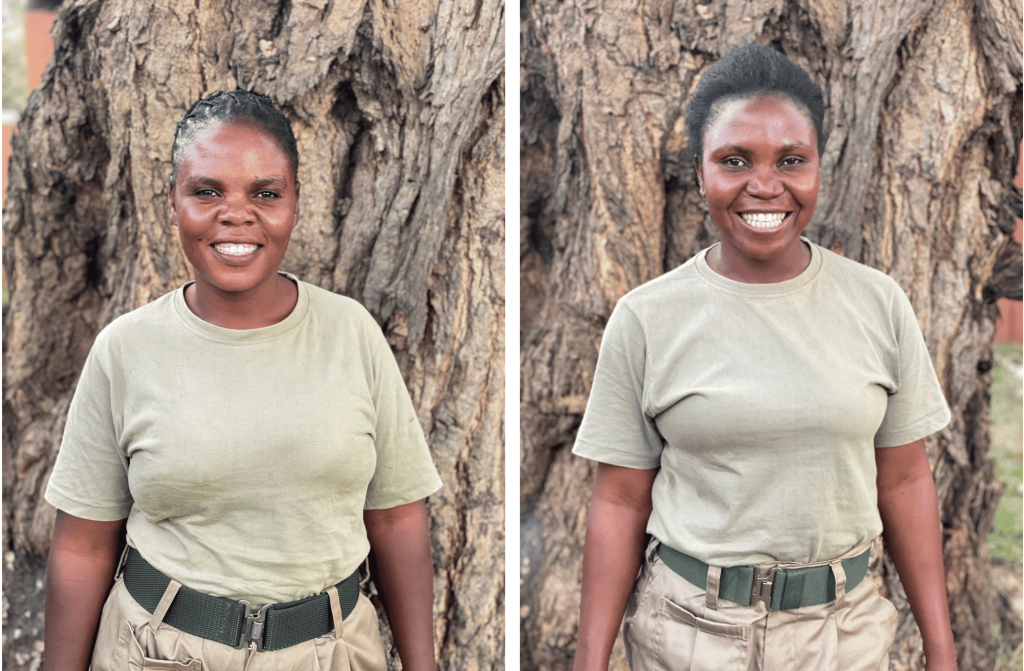
Tackling human-elephant conflict (HEC) in Africa is a formidable challenge, especially for those dealing with it directly. Christine Zimba and Catherine Mwanza from Conservation South Luangwa’s (CSL) Rapid Response Unit in Zambia know this all too well. These fearless women have had to stare down elephants in heart-pounding encounters while responding to numerous elephant conflict cases during their important work in the unit.
In one incident, a wounded elephant charged at Christine and her colleagues, halting only after they fired a gun twice into the air. Catherine, on the other hand, had to rescue a colleague who had fallen into a trench as an elephant startled them, firing her gun as a last ditch attempt to scare it away. It was pitch black, and they hadn’t realized the elephant was so close.
Fortunately, their training kicked in, and they managed to protect themselves and others in their units from injury or worse, without any harm done to the elephants. For Catherine, a mother of three teenage daughters, it was a tense moment, but she remains resolute in her commitment.
“I didn’t even think about shooting the elephant—our training emphasises firing into the air, and I knew I had to save my colleague,” explains Catherine, who transitioned from the Anti-Poaching Unit to the HEC RRU team in 2021. “It wasn’t until later, at home, that I was able to think about my daughters who were anxiously waiting for me and realized that it was indeed a close call and they could have lost their mother. Despite this, I returned to patrol the next night. I am not afraid to do my job.”
One of the many challenges faced by Rapid Response Units (RRU) as they address the rise in human-elephant conflict across Africa is the frequent and sometimes perilous encounters with elephants. Most crop-raiding and conflicts happen at night, requiring RRUs to respond in darkness and risk dangerous confrontations with hungry and occasionally aggressive elephants.
Rapid Response Units (RRUs) are vital in managing data and incident responses in some of Africa’s most significant human-wildlife conflict hotspots. They also promote non-lethal interventions within local communities, playing a crucial role in preserving harmony between humans and wildlife and reducing hostility toward elephants.

In order to work efficiently and achieve their goal, the RRUs need funding and support. The Elephant Crisis Fund supports three specialized RRU operations in Mozambique, Tanzania, and Zambia. These projects foster long-term coexistence of people and wildlife by funding vehicles, training, running costs, accommodation, salaries, and additional manpower.
In southern Mozambique, the Rapid Response Units, also known as the Elephant Shepherds—managed by Mozambique Wildlife Alliance—have been remarkably effective in addressing human-elephant conflict . Since their inception in 2021, the RRUs have achieved a 72.3% success rate in deterring elephants from conflict zones. There are now eight RRUs in the country—the Namaacha district RRU was developed partially with funds from the Elephant Crisis Fund. The RRUs utilize various active mitigation deterrents combined with effective community liaison and elephant-aware training to achieve their coexistence mission.
In 2022, an ECF grant enabled the Frankfurt Zoological Society (FZS) to establish a centralized Human-Wildlife Conflict (HWC) Rapid Response Unit to address the escalating conflicts in Tanzania’s Serengeti district. With the ECF’s investment, the unit expanded its reach to more villages and communities, resulting in a 16.9% decrease in HWC incidents across 11 villages in 2023. Following the successes achieved by the FZS team in Serengeti district, the ECF awarded FZS another grant in 2024 to expand their successful coexistence strategies to 14 villages in the neighboring Bariadi District which also faces significant crop damage and human risk from elephants. From 2019 to 2023, 1,408 households were affected, resulting in nine deaths and 16 injuries. This new two-year grant covers the purchase of a dedicated RRU vehicle and the fuel and maintenance costs for running both units.
Established in 2021, the Conservation South Luangwa Rapid Response Unit was a pioneering initiative in southern Zambia launched in response to a rise in human-elephant conflict. In 2023, they tackled 316 reports of human-wildlife conflict and fielded 2,081 calls, often related to the same incidents. Their responses varied from transporting injured individuals for medical care to assisting farmers in driving elephants away from their fields. In November 2023, a new grant from the ECF enabled the unit to grow and welcome five women to its ranks. The ECF funded a new 4×4 vehicle, salaries, and training for this dynamic and impactful team.
Catherine and Christine are among the five women who joined the now 18-strong CSL Rapid Response Unit. Christine was inspired to join the RRU after listening to talks by the CSL outreach team, applied for the job, and got it. She is the sole breadwinner in her 10-person household, which includes her mother, three sisters, four brothers, and her ten-year-old daughter.
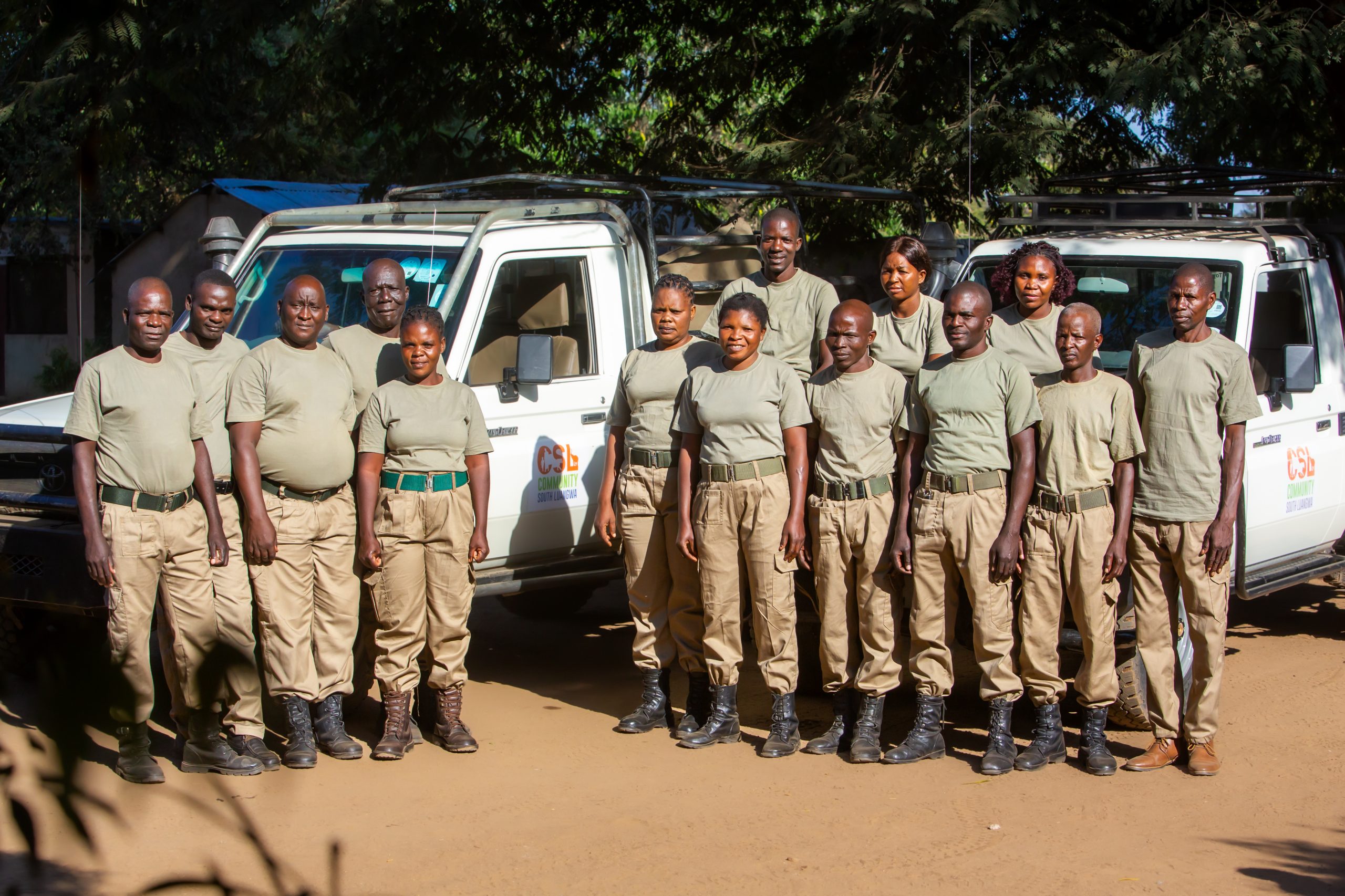
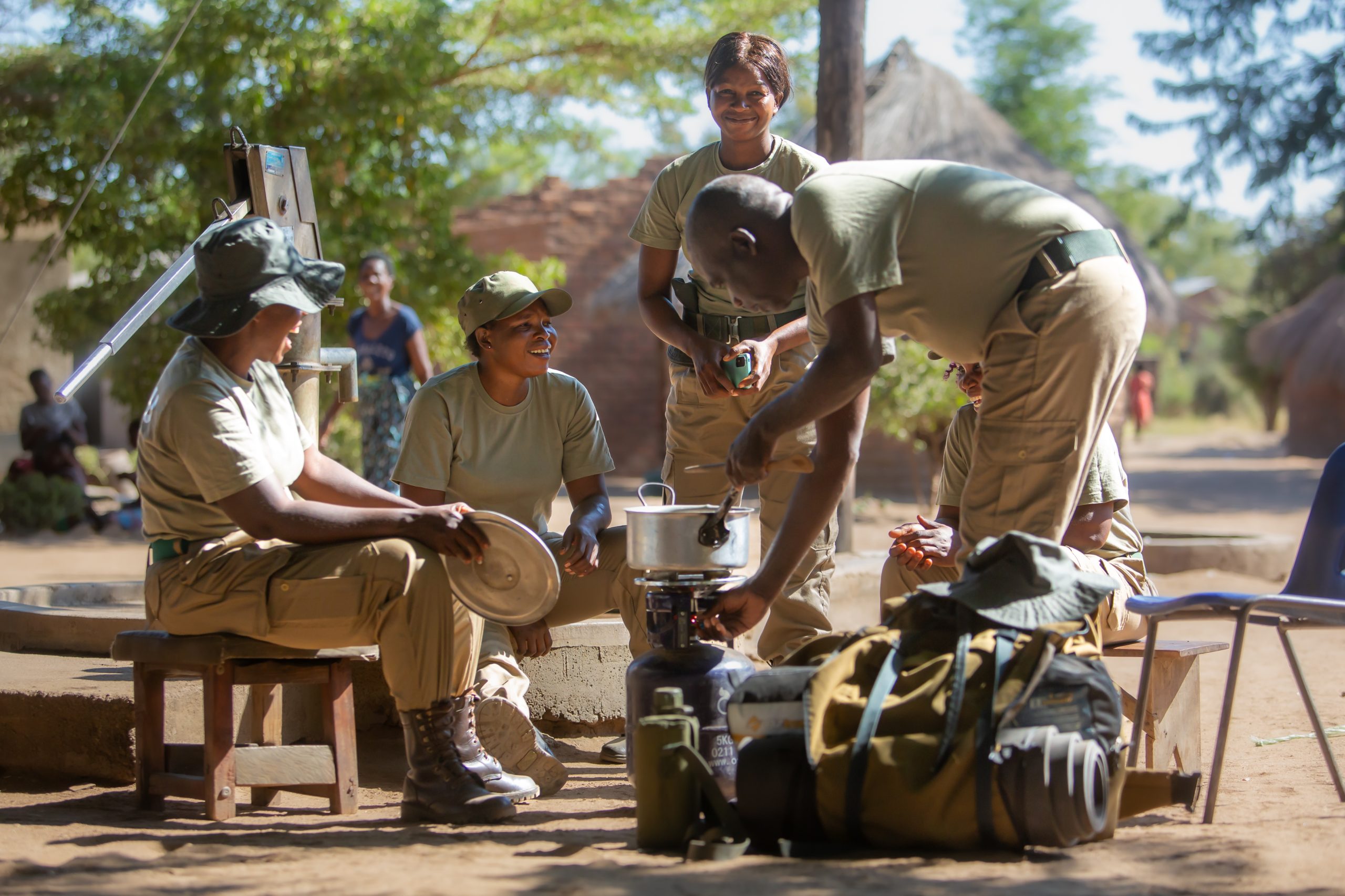
“I would like to see more women recruited to the RRU team as I feel it’s beneficial to have women helping women who have had negative experiences with elephants, “ says Christine. “And the more women we have on the team, the better the relations will be with the communities we work with.” Catherine shares the same sentiments as her colleague. “I find it very satisfying being an educator for the farmers I meet. Often the farmers I meet don’t understand why an elephant has behaved in a certain way, and so I enjoy being able to explain to them about their behavior and how they can protect their farms more effectively.”
Did you know that in the past four years the Elephant Crisis Fund has granted over $331,000 to support Rapid Response Units dedicated to fostering coexistence between humans and elephants in Africa?
You can help support conservation efforts like this by donating to the Elephant Crisis Fund here.