



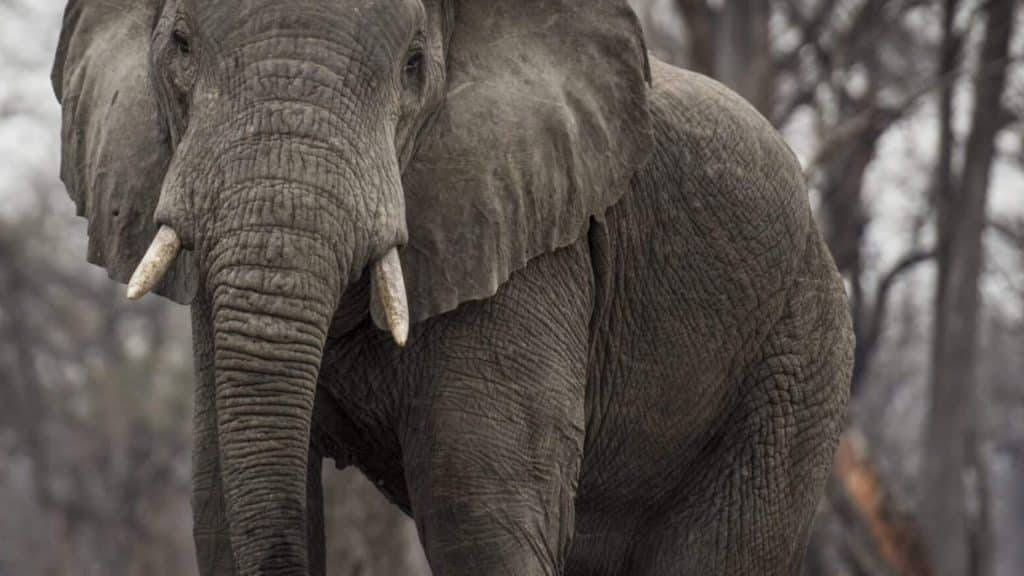
The Elephant Crisis Fund (ECF) is dedicated to securing a future for elephants, and our work is making a difference.
Elephant poaching has reduced in recent years across much of Africa, although it is still a threat for some populations and ongoing protection is essential.. In places where elephant numbers are already critically low, even the loss of a few individuals can be disastrous.
ECF supported investigations have led to the arrest, prosecution and incarceration of many high-level ivory traffickers. Ivory smuggling is no longer seen as a low-risk activity by criminals, and ivory trafficking remains at a low level compared to its peak in 2011-2017. However, it is vital that we keep up the pressure.
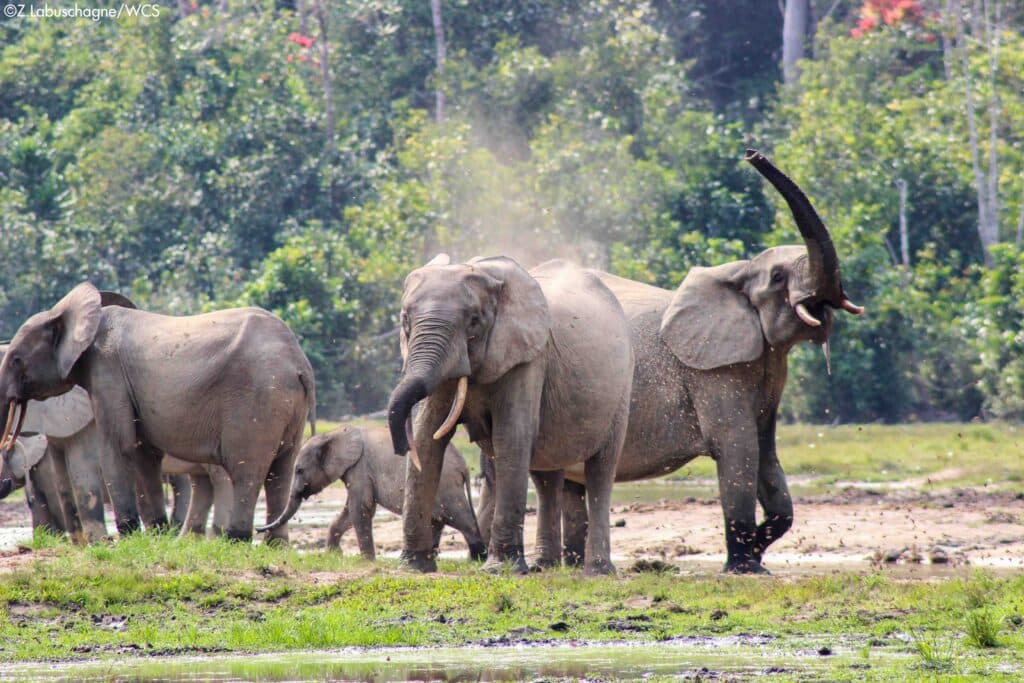
Encouraged by demand reduction campaigns run by our partners, the Chinese government banned the sale of ivory at the end of 2017, and the Hong Kong government followed suit at the end of 2021. Together with strong Chinese law enforcement action since then,, this has dampened demand. There are concerns that the resurgence of outbound tourism following the relaxation of COVID restrictions may lead to an increase in purchases of ivory trinkets. A particular concern is the China-Laos railway line which opened at the end of 2021. Reports indicate a rise in Laos of exclusive retail outlets catering to organized Chinese tour groups, selling ivory and other illegal wildlife products. Although these activities remain relatively limited and are not driving increased trade from Africa, they do warrant monitoring.
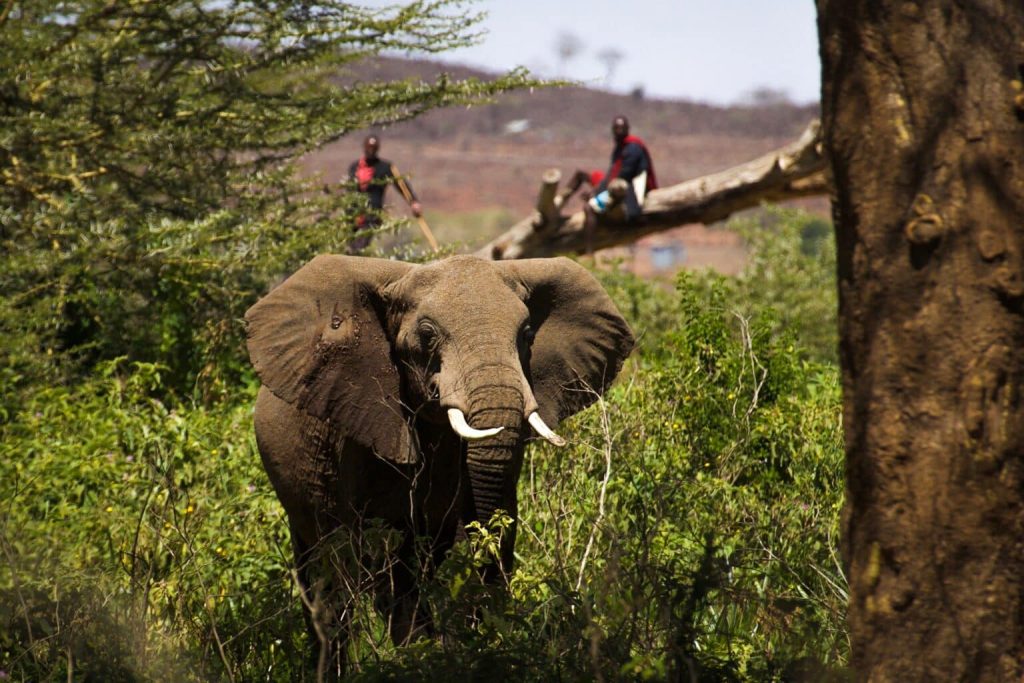
The long-term future of elephants across Africa increasingly depends on addressing the challenge of their coexistence with people. Designed for agility, the ECF has been able to pivot to address this rising issue. There has been a significant increase in conflict as human populations continue to expand, and the development of new infrastructure, such as roads and dams, reduces elephant habitat, cuts wildlife corridors, and brings people deeper into previously wild areas.

Our challenge is to provide short-term solutions to reduce the level of conflict, giving local people more control over their interactions with wildlife, while working towards longer term approaches to land use—ensuring that farmers do not move into elephant habitat and that movement corridors are left open.
The ECF is also increasingly focused on protecting elephant landscapes. To allow elephant populations to recover after years of poaching, and to ensure safe havens in the face of continued human pressure, maintaining substantial areas of elephant habitat is essential. Key elephant strongholds are benefiting from a growing trend in public-private partnerships (PPPs), whereby governments engage NGOs to help them manage protected areas. Improved protection in these landscapes benefits other wildlife and communities too.
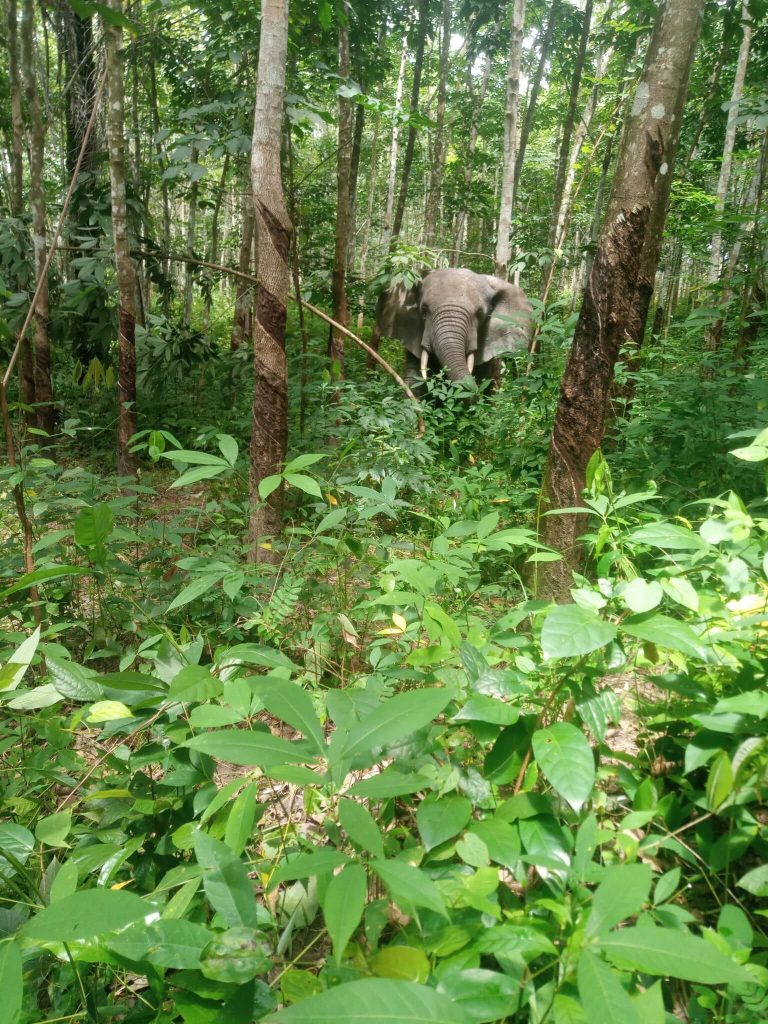
Another ECF interest is ‘elephants on the edge’. There are a number of countries, particularly in West Africa, where habitat has been fragmented and elephant numbers are perilously low. If there are sufficient numbers remaining that the population is viable, they can become a focus for national conservation efforts. But if they go extinct, efforts to protect their remaining habitat are likely to collapse.
The ECF will continue to adapt to ensure that its donors’ contributions are put towards the most urgent needs for elephant conservation.
The ECF will continue to adapt to ensure that its donors’ contributions are put towards the most urgent needs for elephant conservation