

The Ivory Trade
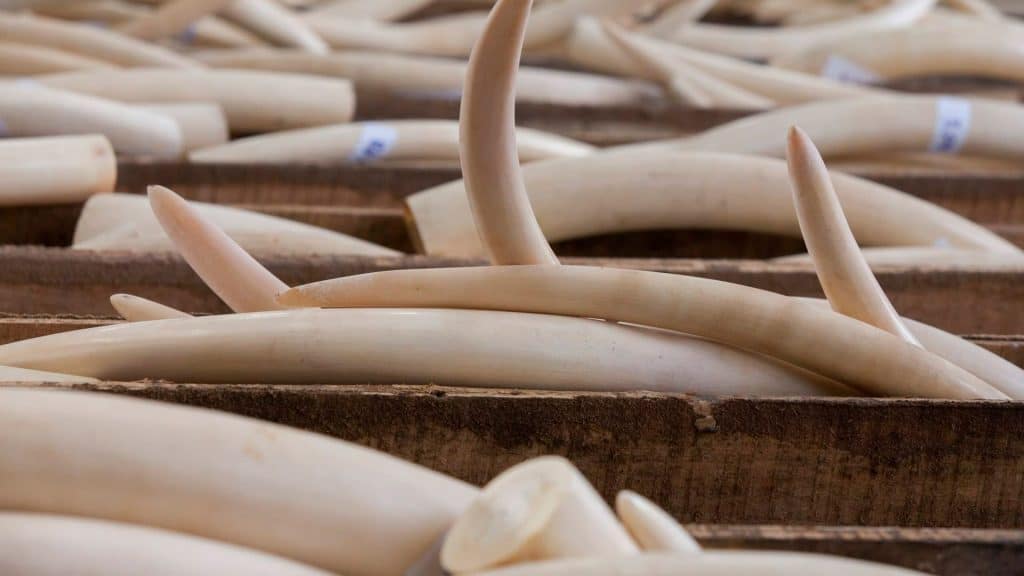
Tusks are adapted incisors (front teeth) that keep growing throughout an elephant’s life. Elephants rely on their tusks to dig for roots and water, hold grass in place when eating, strip bark off trees and to battle other elephants or protect their young.
Insatiable human greed for ivory, made into ornaments, trinkets and jewelry, has historically driven elephant poaching throughout Africa, with many disappearing altogether from some parts of the continent.
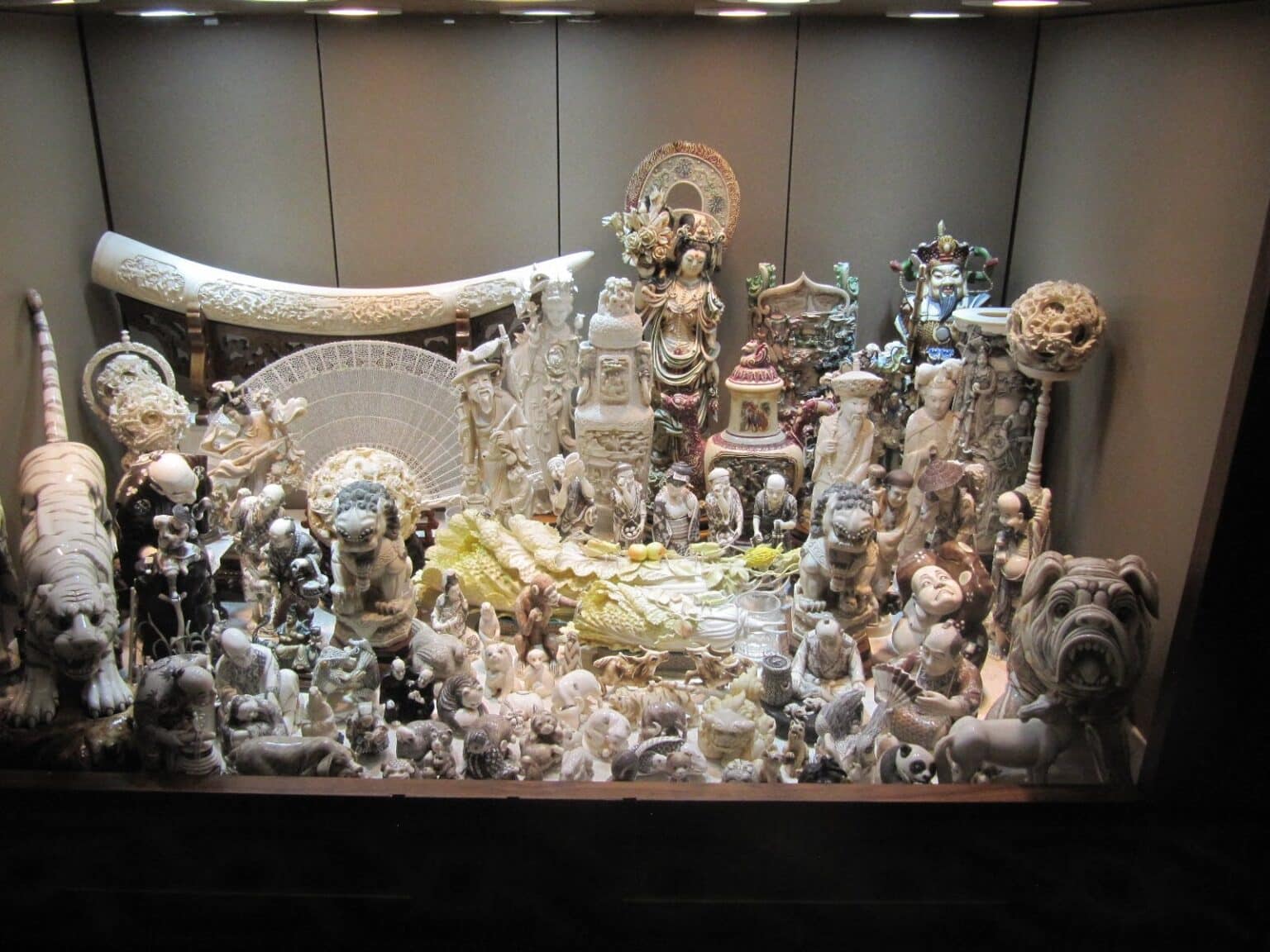
The ivory trade fuels organized crime and insecurity as traffickers smuggle tusks through the same networks as other high value illegal goods. Sophisticated criminal elements—often the same groups that smuggle guns, people, and drugs— orchestrate the poaching and smuggling of elephant tusks to foreign markets. The illicit profits of this ivory trade threaten not only the future of elephants, but also security in Africa and around the world.
Ultimately the trade is driven by demand for ivory in consumer countries. China’s ivory market in particular has a long history, and the country’s rapid economic growth over the past decades led to an increase in personal wealth and desire for luxury items, including ivory products. Many Chinese consumers were not well informed about the gory realities and devastation of the illegal killing of elephants, and the links with corruption and organized crime.
Since 2013, in response to the growing ivory crisis, ECF grantees worked to increase awareness of the impacts of buying ivory and to encourage political leaders to put ivory sales bans in place. The China domestic ivory ban – which included the sale and processing of ivory products – came into effect at the end of December 2017. This was a pivotal moment in the fight against the ivory trade.
Today, challenges remain, including some continued demand for ivory products within illegal markets in China and neighboring countries. However, the effective closure of what was the largest ivory market, combined with stronger law enforcement efforts in Africa, has led to a substantial decrease in elephant poaching in many parts of Africa.
Human-Elephant Coexistence
Human-elephant conflict in Africa is on the rise as people and elephants compete for space and resources. Converting this conflict crisis into coexistence is now a significant focus for the Elephant Crisis Fund (ECF).
Africa is thriving, struggling, vibrant, beautiful, and changing fast. Industrial development, spreading agriculture, and rising human populations on the one side are meeting recovering elephant populations on the other. Where they meet, conflict between humans and elephants is the result.
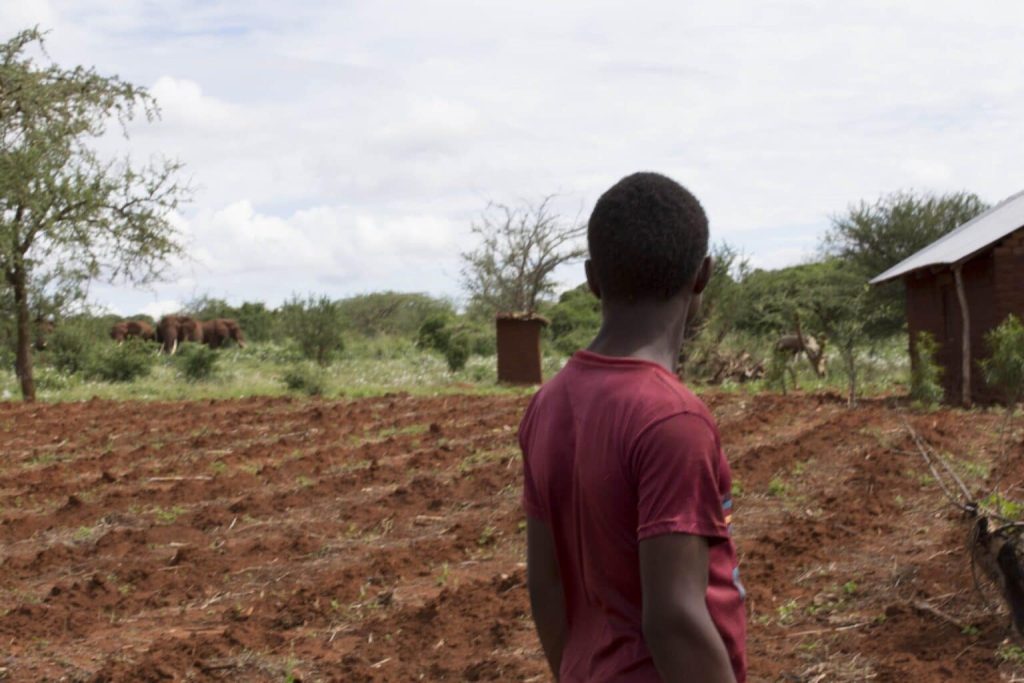
Tackling this growing, widespread, and multi-disciplinary crisis is no easy task. The rural communities who live side by side with elephants are often among the poorest. How do we prioritize elephants and their needs when millions of people are struggling to survive? Social, economic, and health issues are powerful political competitors with long-term elephant conservation needs across the continent.
The ECF is focusing on two fundamental areas of need for this conflict crisis: land and corridor protection, and novel grassroots deterrent strategies to keep elephants and people safely apart where necessary.
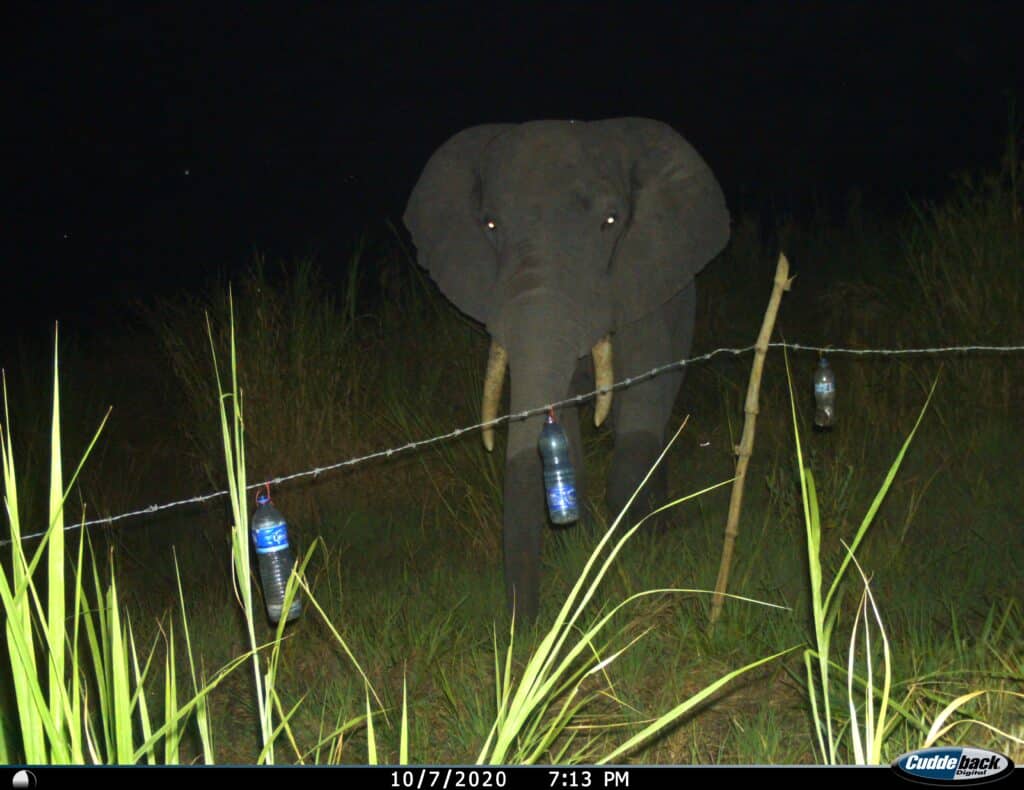
In Botswana, for example, one of our partners is working to identify and protect wildlife corridors. In Tanzania, communities previously heavily reliant on accessing a wildlife corridor are developing alternate sources of income.
Read about other projects we have funded to reduce human elephant conflict.