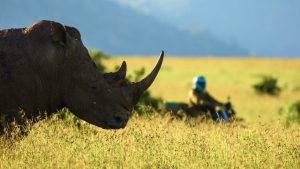
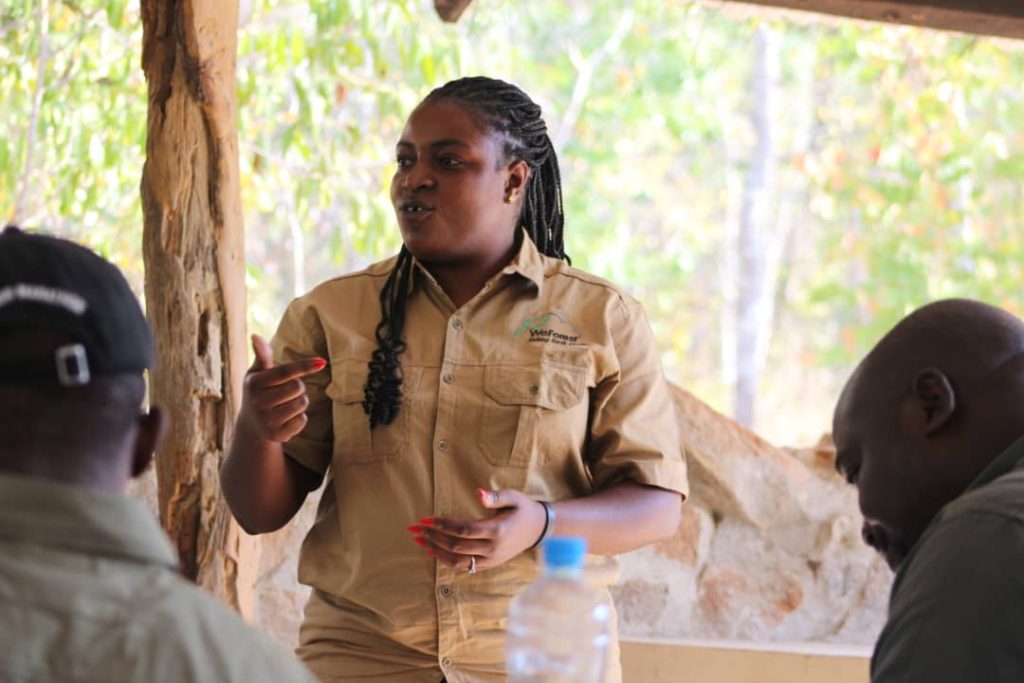
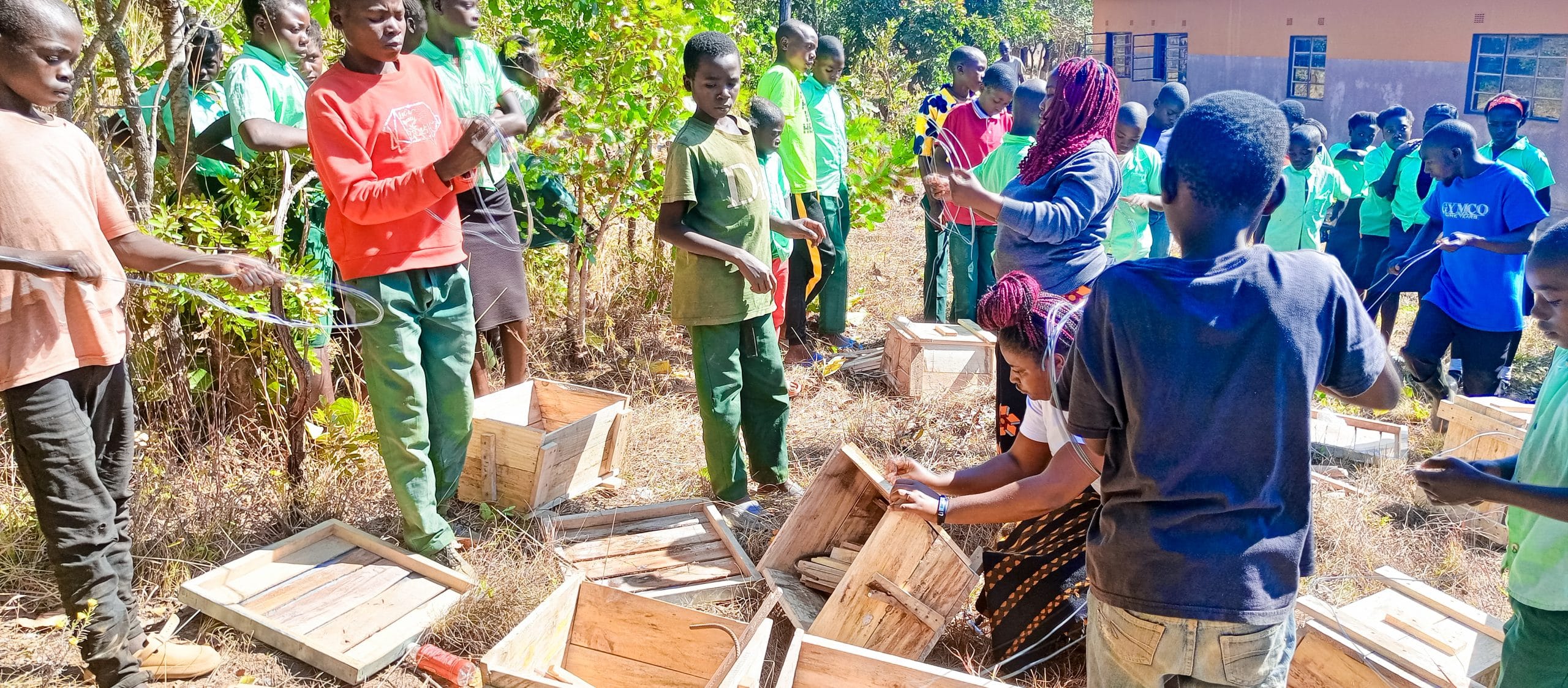
Rachel Ndabala steadied the frame as a young student raised his hammer to join the sides of a new beehive. Around them, several other children from Zambia’s Mukungule Chiefdom were building beehives for honey production. These students were participants in Rachel’s hands-on beekeeping program, which teaches honey production as a sustainable alternative to destructive slash-and-burn agriculture and charcoal production around North Luangwa National Park (NLNP)—home to Zambia’s only black rhinos. Through WCN’s Rising Wildlife Leaders initiative, Rachel received career support to implement her beekeeping program in Mukungule. The program has been adopted by 10% of the local schools, introducing its dual benefits of sustainable livelihoods and restored rhino habitat to the community’s future leaders.
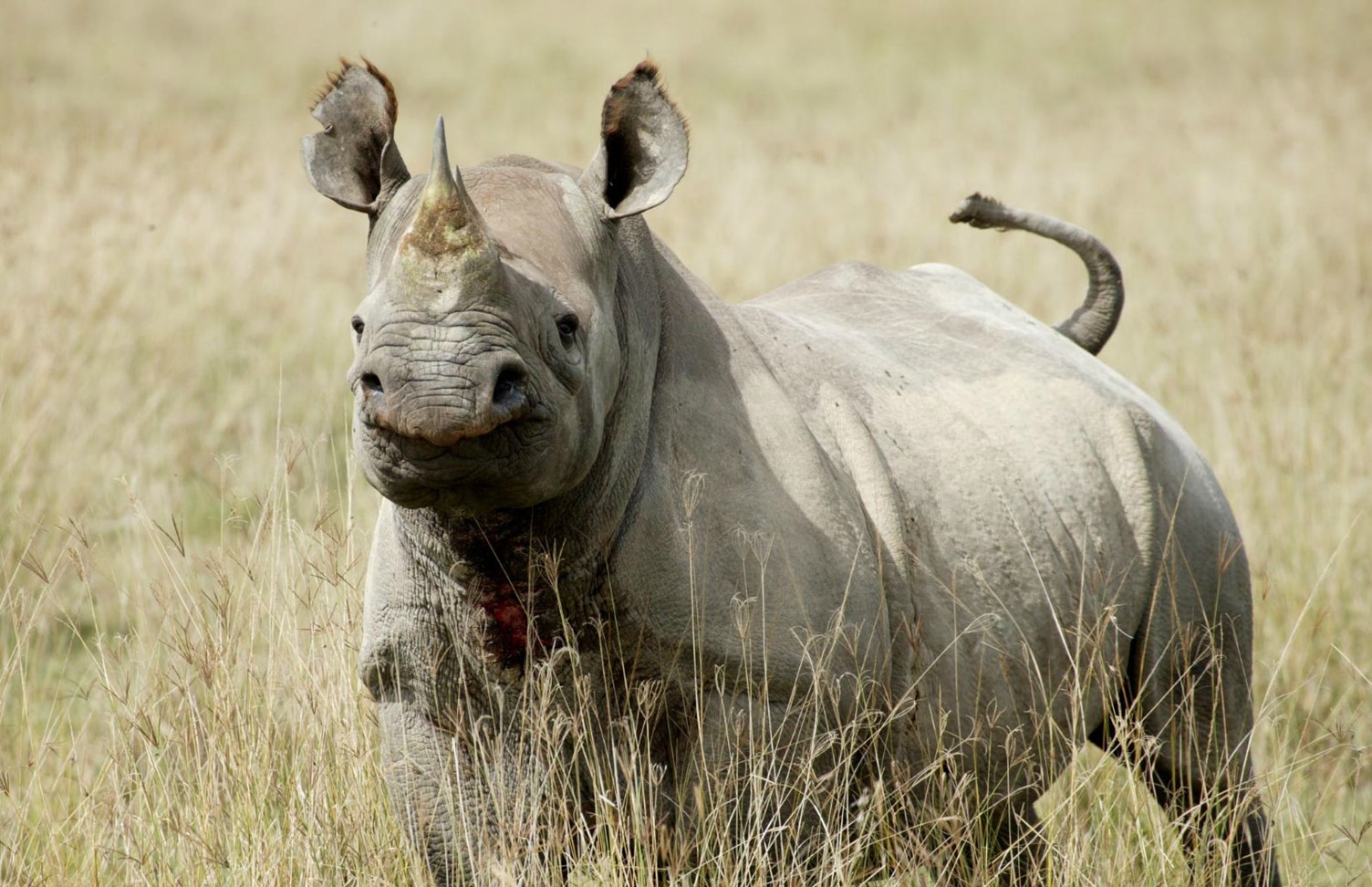
Rachel was five when, in 1998, the country’s black rhinos were declared locally extinct due to relentless poaching. When she asked her mother why this happened, her mother explained that rhinos in their area were poached, not necessarily out of greed, but out of necessity, driven by food insecurity and economic desperation. That conversation stayed with her into adulthood and helped shape her path to a career in conservation. Eventually, a black rhino population was reintroduced to NLNP and poaching declined (due to increased security efforts by the Department of National Parks and Wildlife and Frankfurt Zoological Society), but now practices like slash-and-burn agriculture are encroaching on habitat that is essential for rhinos to roam, feed, and breed. Roughly 30,000 acres of forest in Mukungule—an area the size of San Francisco—were lost to development and destructive practices between 2018 and 2022. The need to develop land-use practices that do not degrade habitats has become urgent.
Although still in early stages, multiple efforts are underway to better protect the black rhino population through improved landscape integrity and restored buffer zones. Rachel’s work aligns with these strategies, but is distinct in its encouragement of conservation for a younger generation. With WCN supporting her growth as Project Manager at WeForest, a nonprofit focused on global forest restoration, Rachel developed a curriculum that turns conservation from a classroom concept into hands-on learning through weekend beekeeping sessions. While students have only completed the first phase of building beehives, Rachel will continue collaborating with teachers and officials to ensure students experience the full beekeeping cycle and see the results of their activities. By reinvesting honey sale profits into the school’s nutrition program and towards providing essential items like uniforms, pens, and books that many students cannot afford, the program will demonstrate to students how their conservation efforts generate real value.
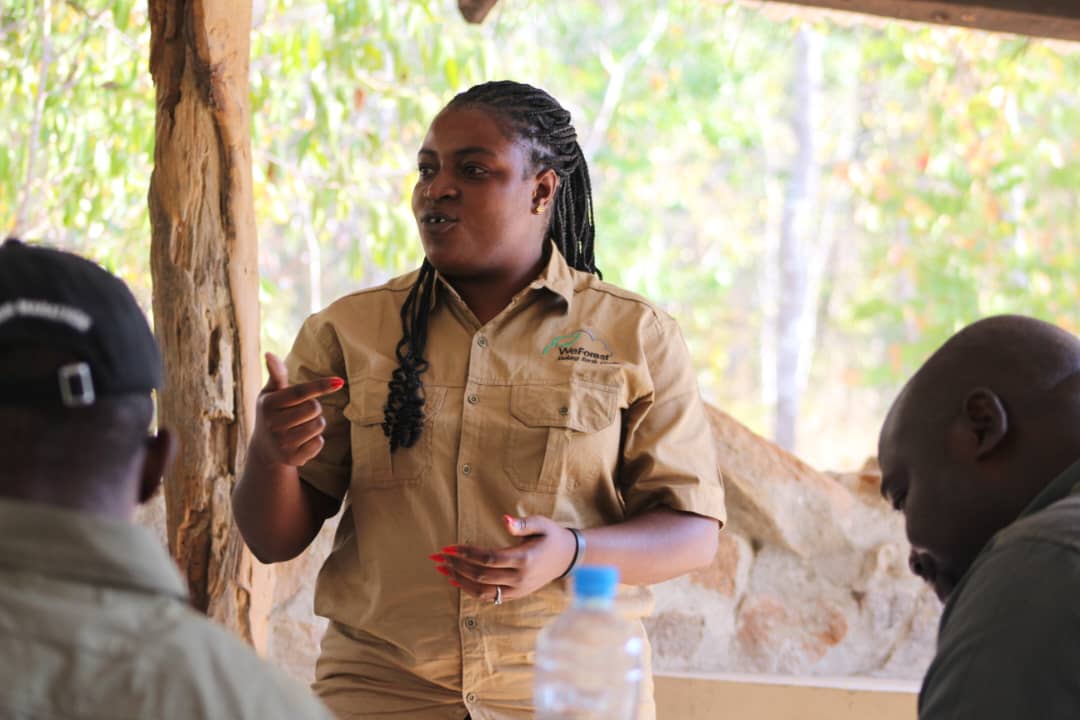
Working with 180 students across participating schools, Rachel is helping shift perspectives about the role of conservation in communities along the western border of North Luangwa National Park. She’s ensuring students see the link between conservation and financial stability, promoting livelihoods that protect the land in areas critical to the long-term protection of Zambia’s black rhino population.