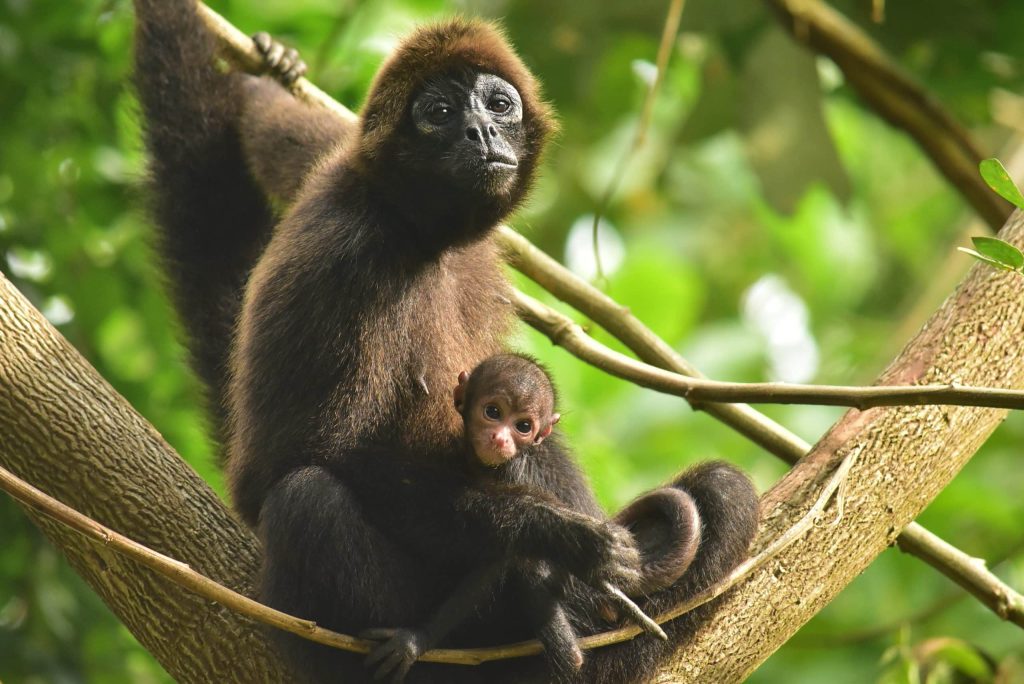


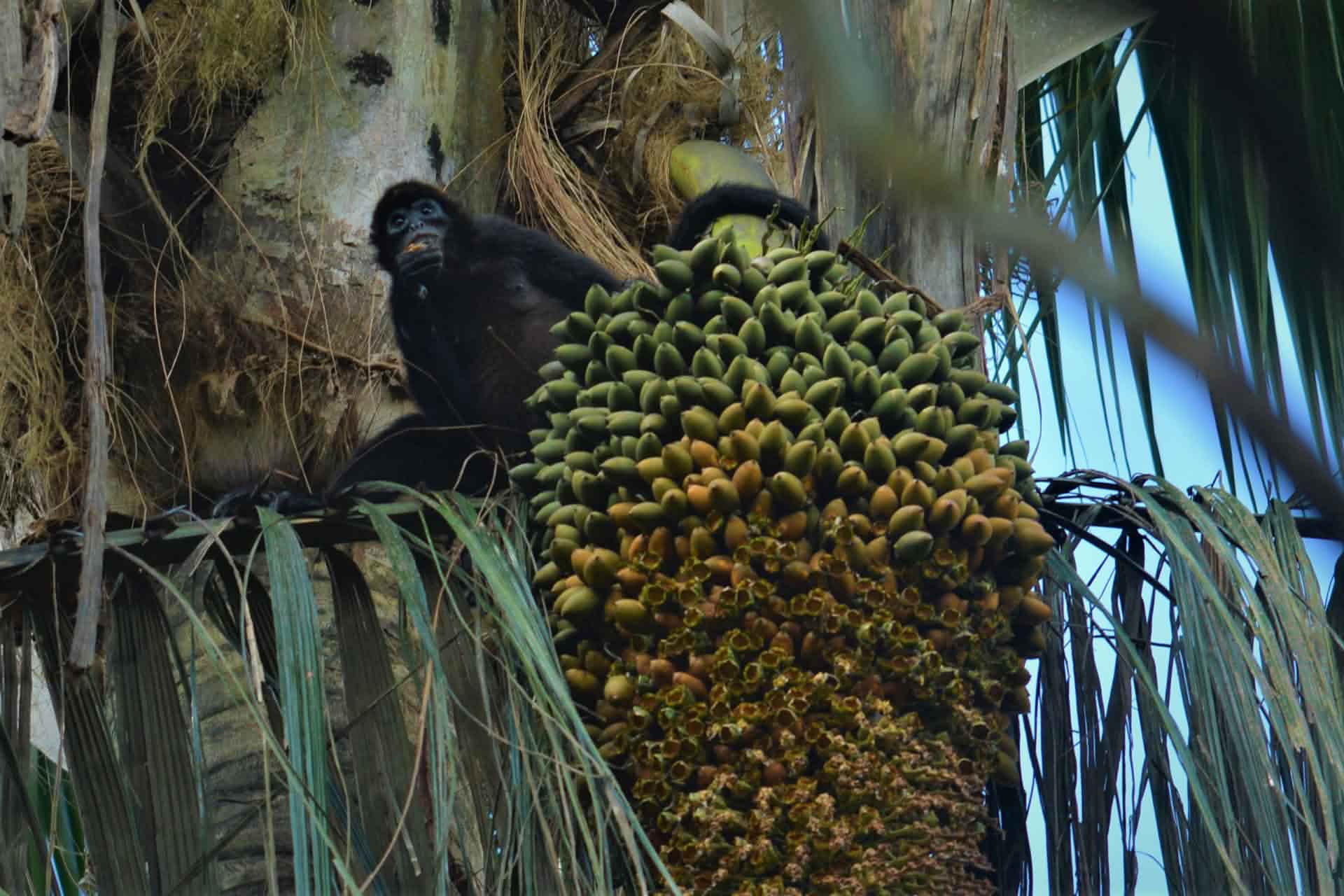
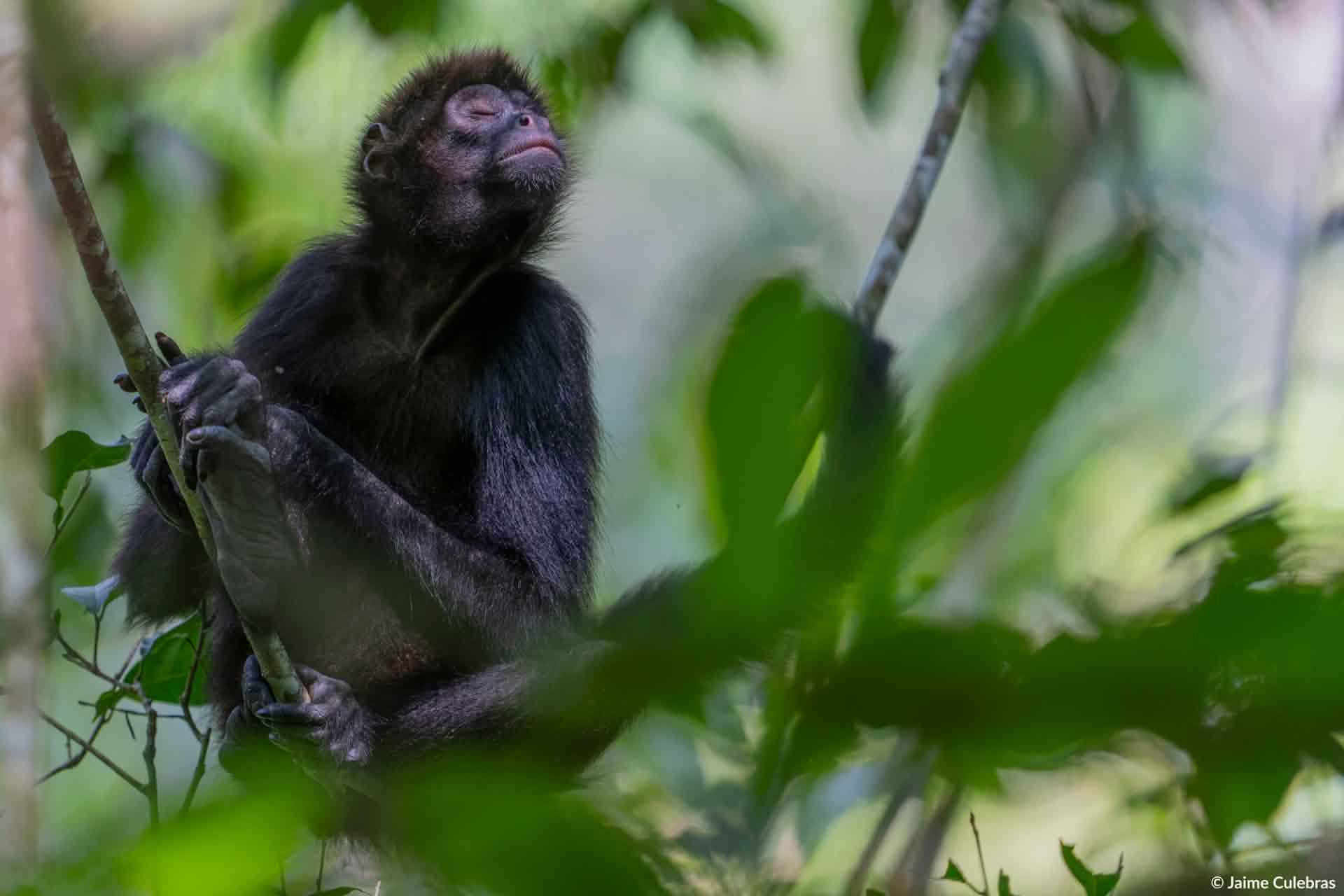
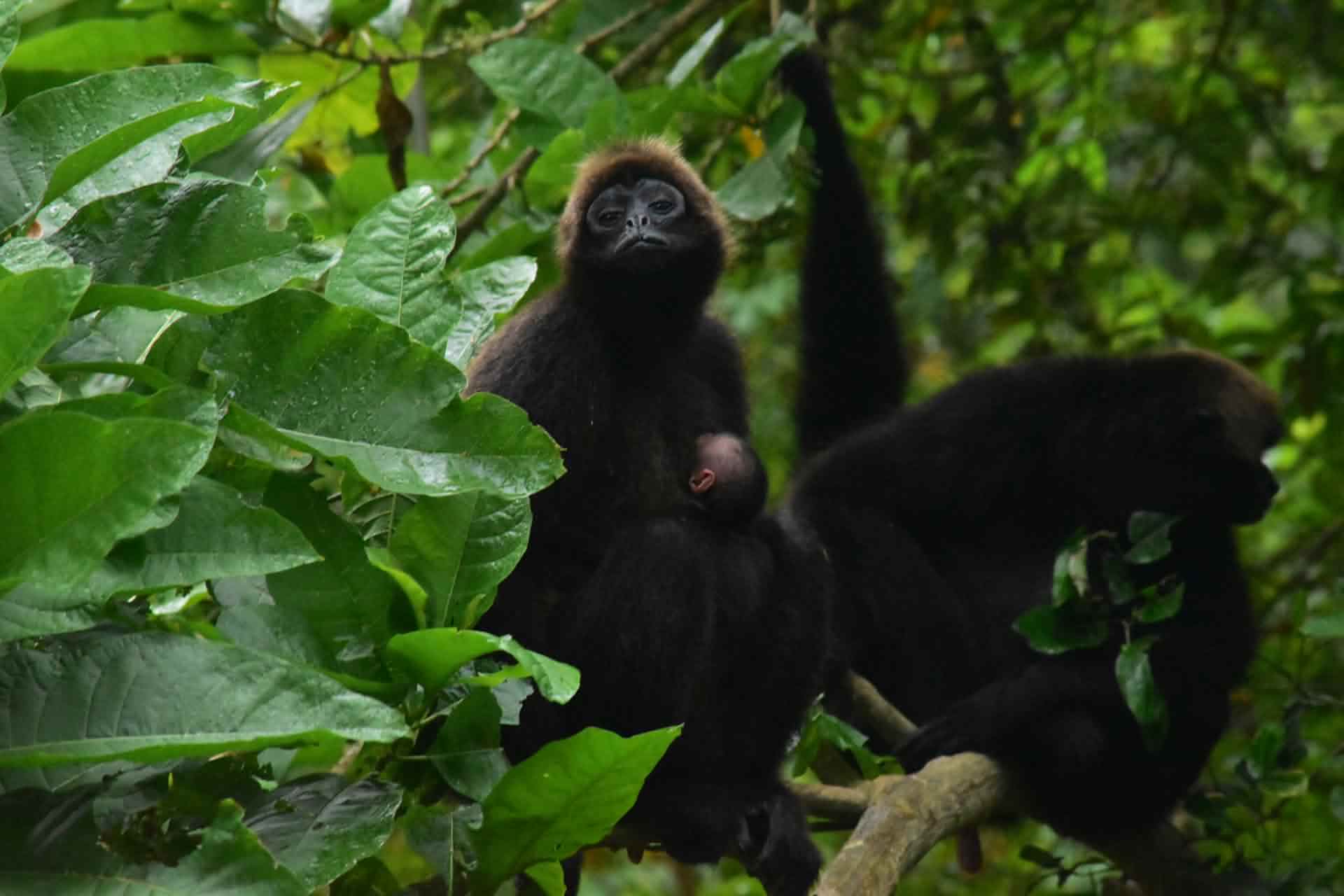
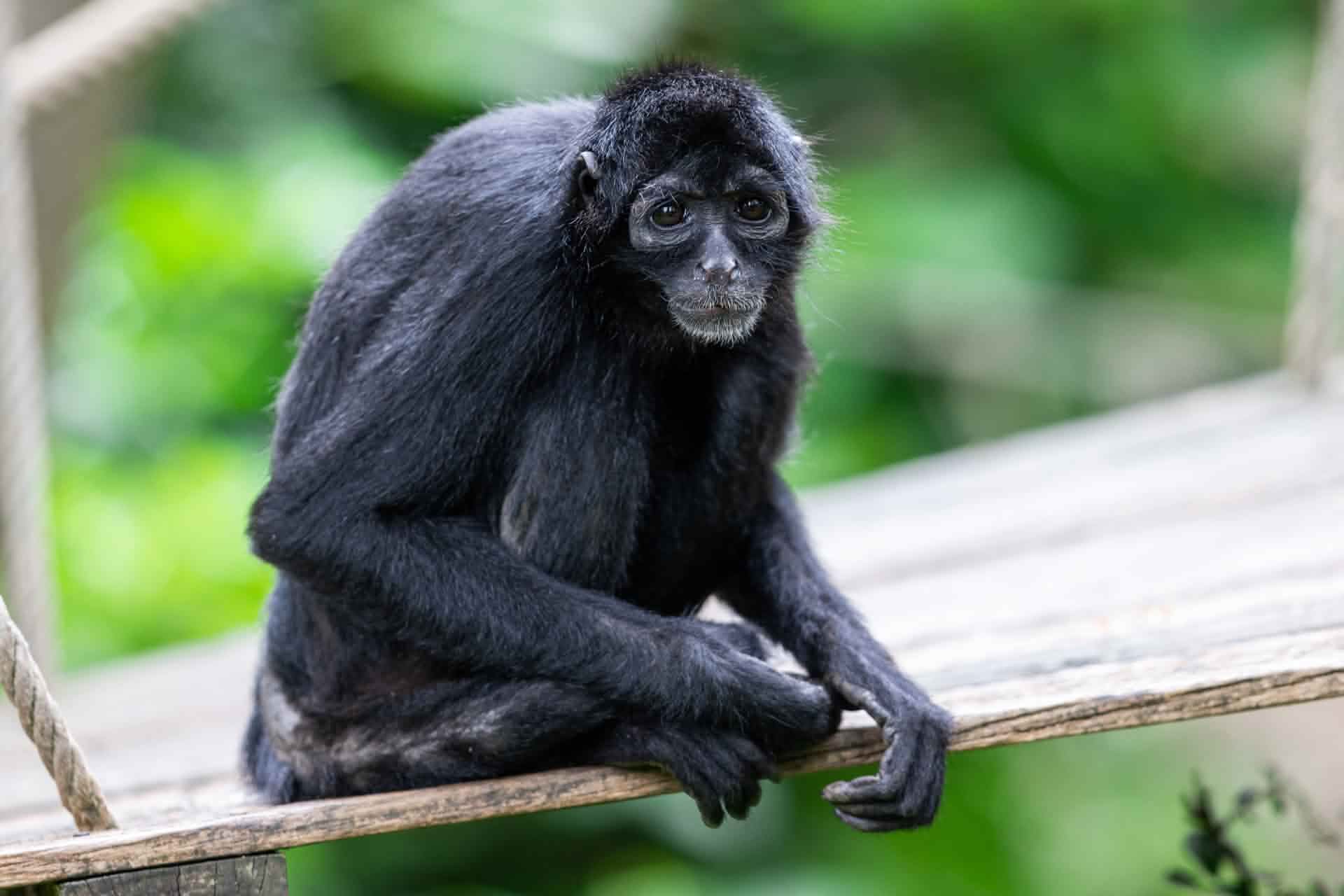
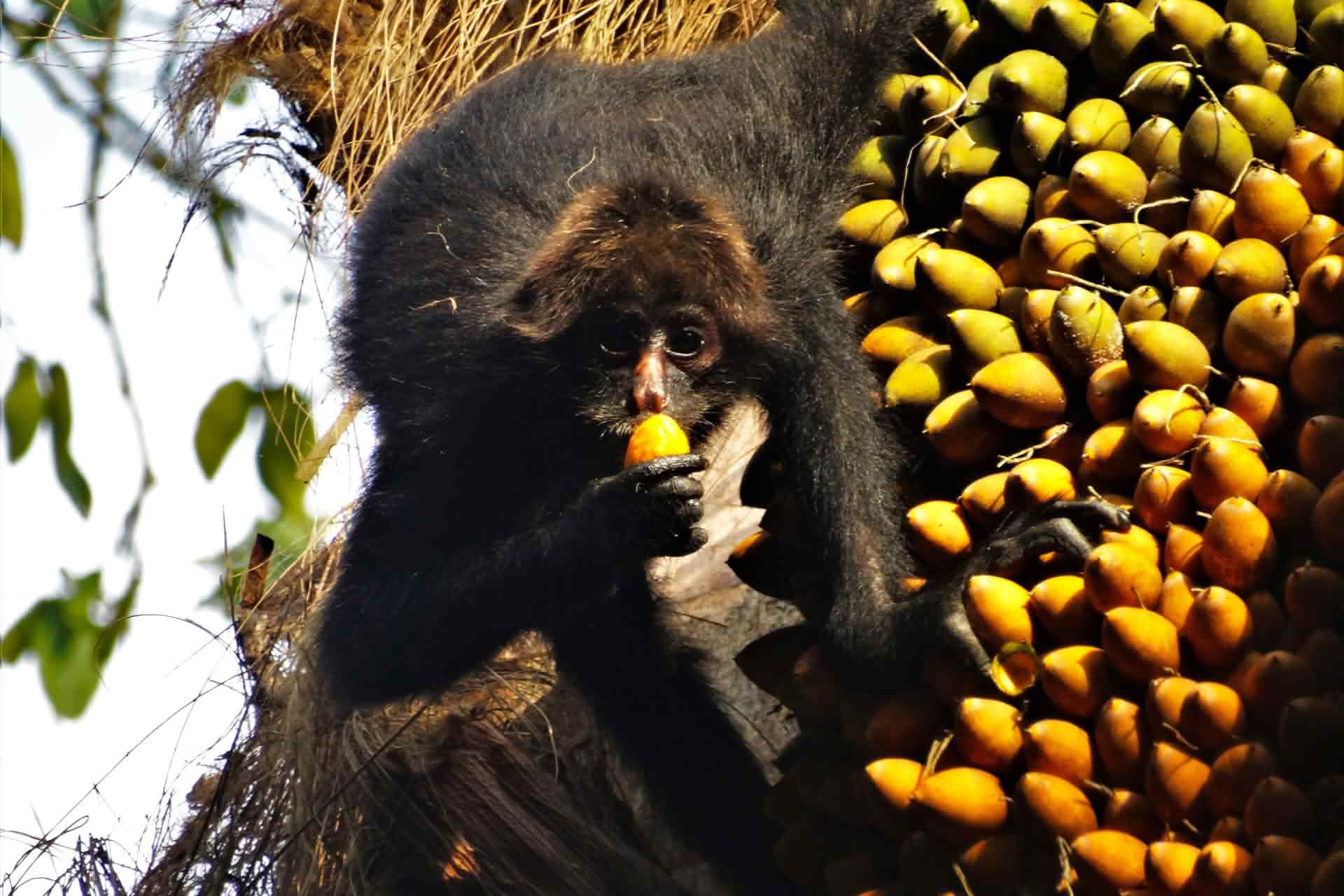
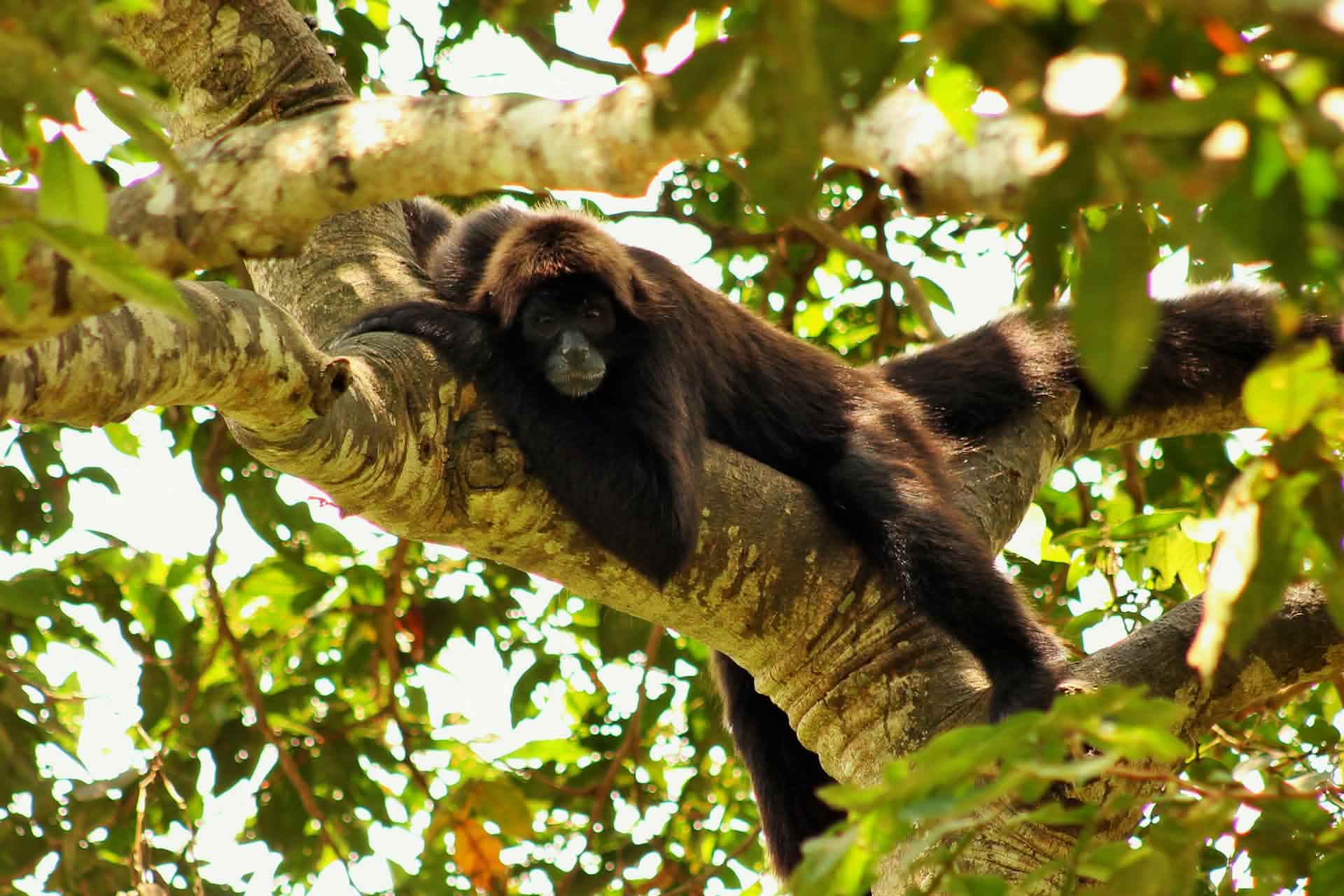
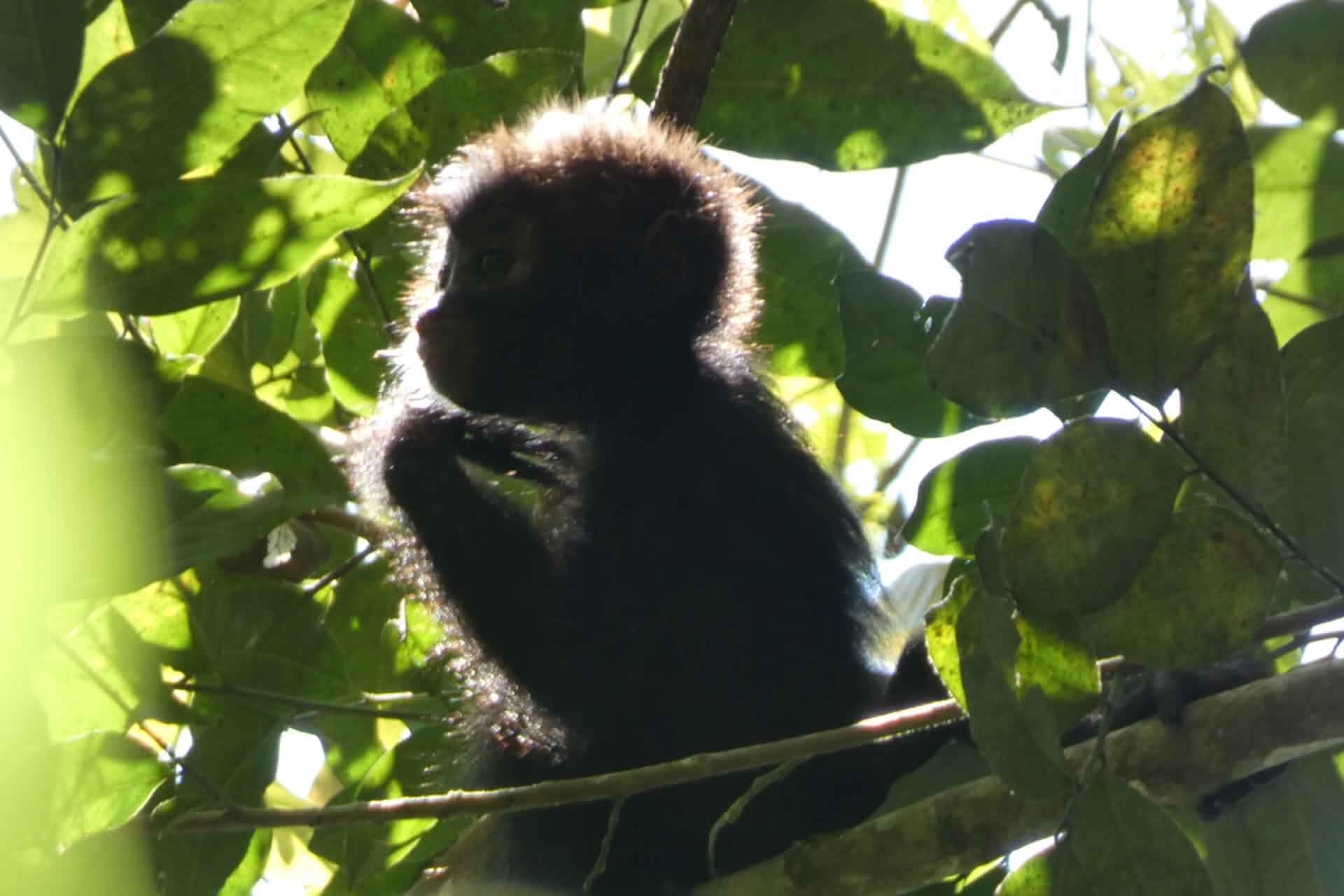
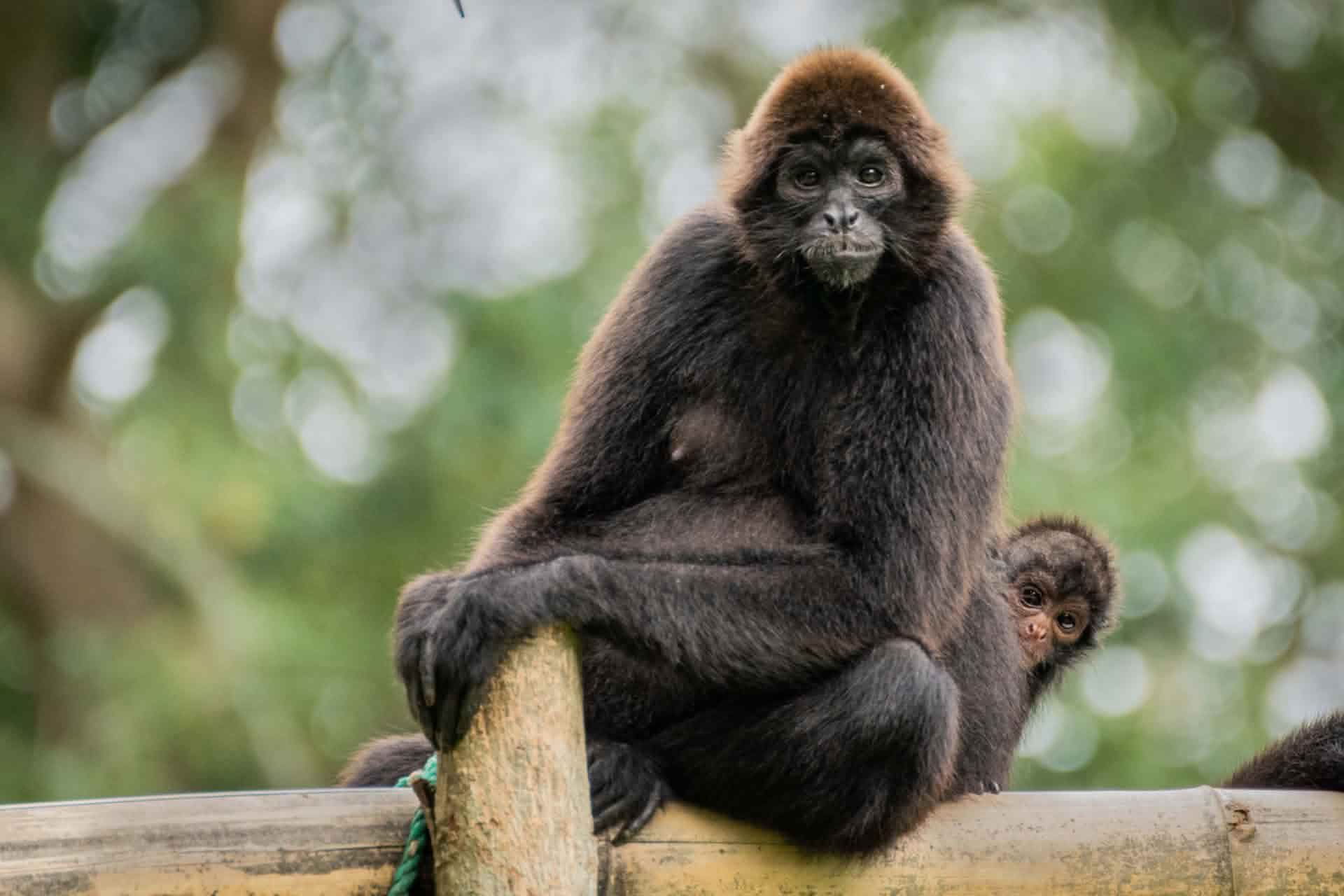
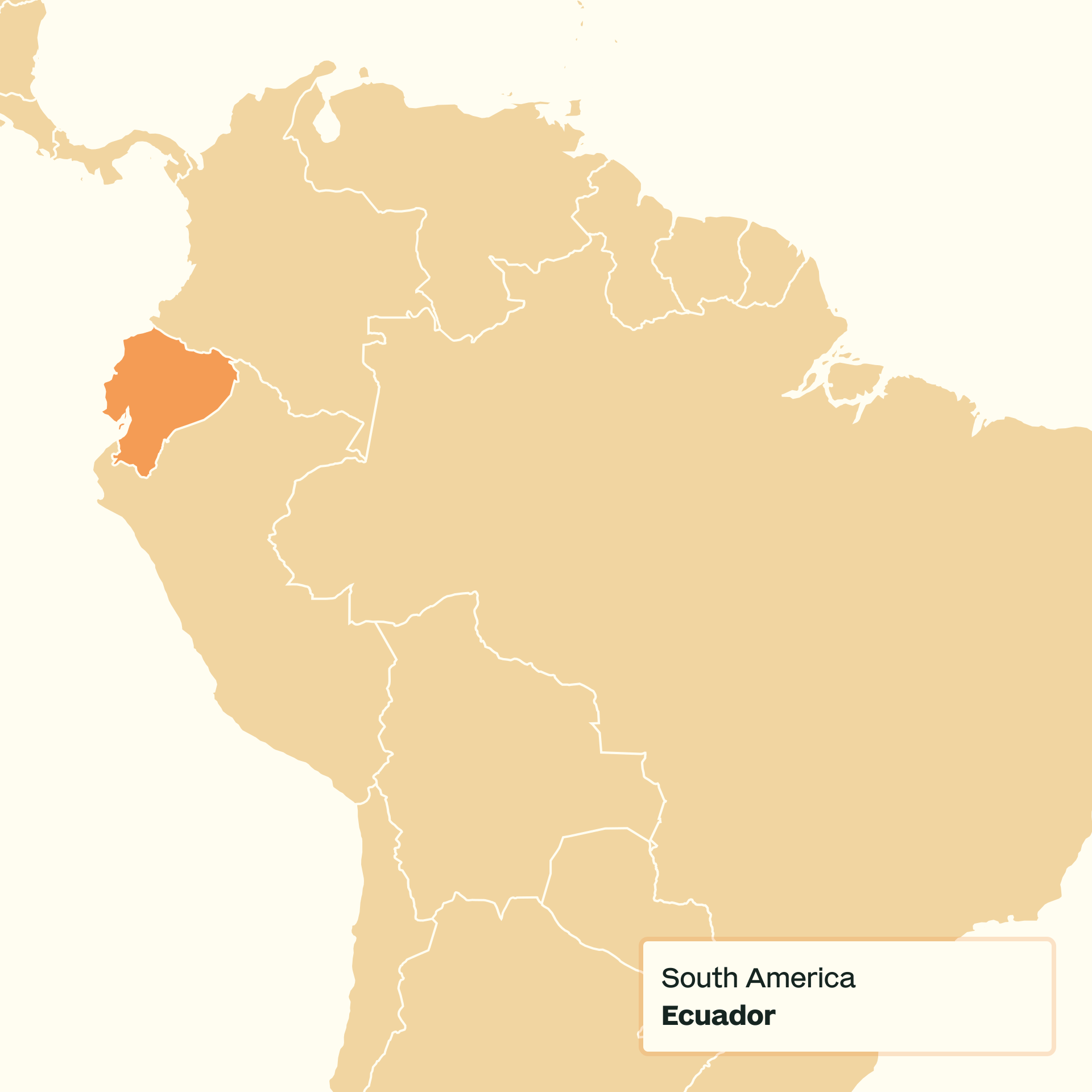
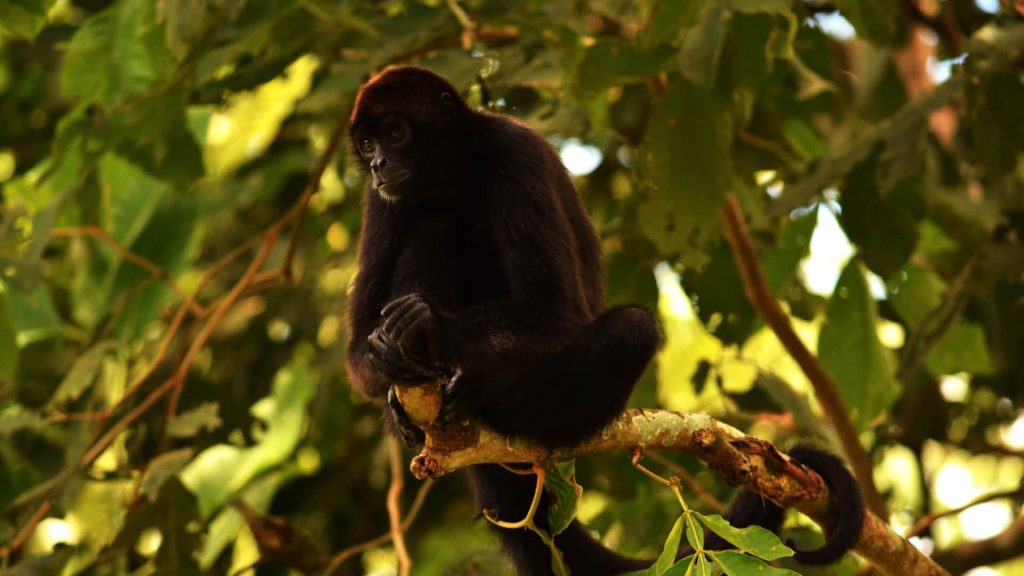
When you support Washu, you help to make a difference for one of the most threatened primates in the world, and its habitat—the forests of the Ecuadorian Chocó. Brown-headed spider monkeys are considered the most threatened primate in Ecuador, and one of the 25 most threatened primates in the world.
Washu takes a participatory approach to conservation by promoting sustainable economic opportunities for Ecuadorians that improve the outcomes for both humans and wildlife. Washu’s latest surveys estimate that approximately 250 brown-headed spider monkeys left. In the province of Esmeraldas, Tesoro Escondido is home to 193 of these monkeys, a critical population for the species’ connectivity and survival.
Protect Spider Monkeys
With WCN’s 100% model, your entire gift supports the conservationists working to protect brown-headed spider monkeys.
Spider Monkeys:
Proyecto Washu
Choose an amount to donate:
$65,000
Raised For local community members
Continuing conservation for the most threatened primate in Ecuador.
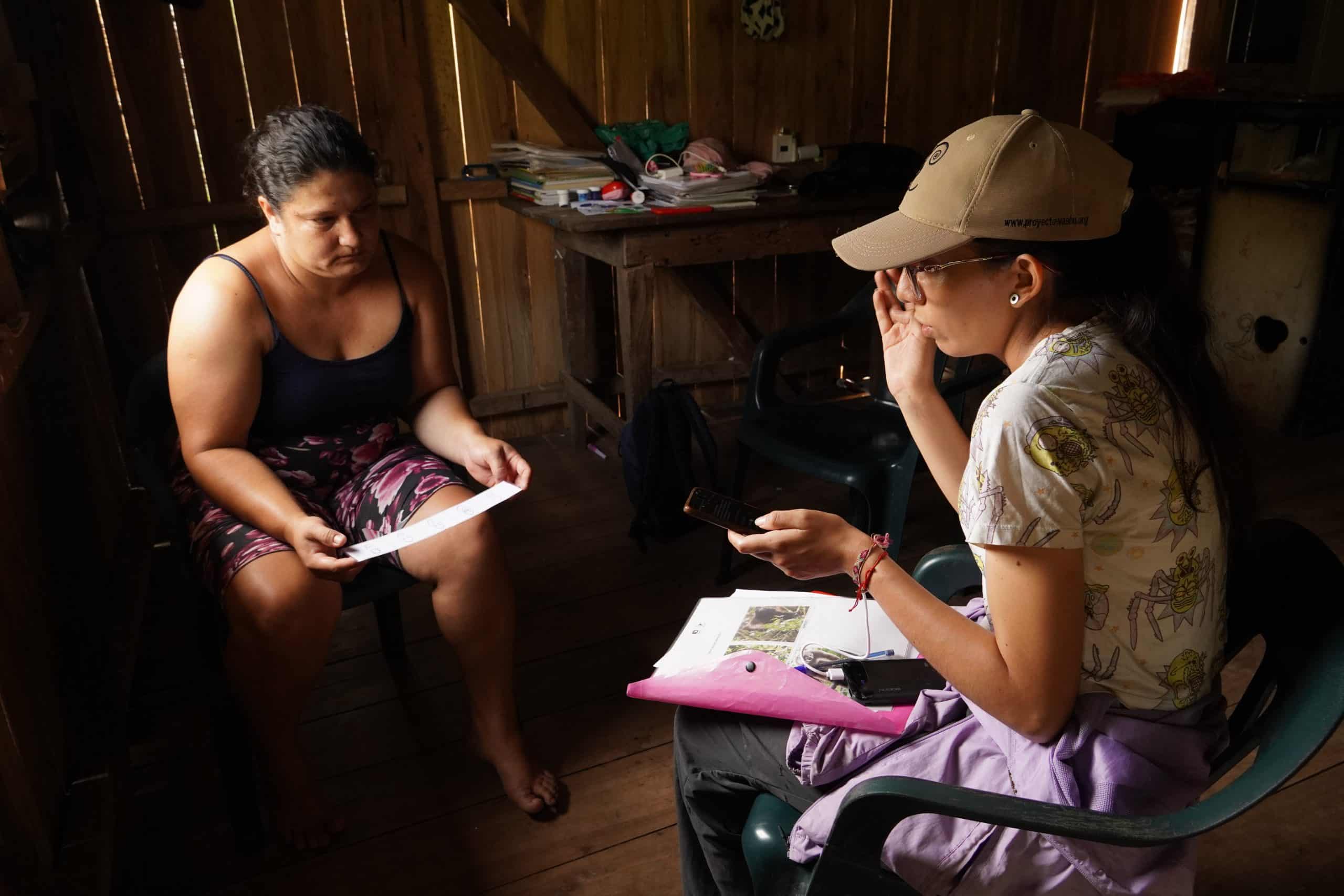
130
People Educated
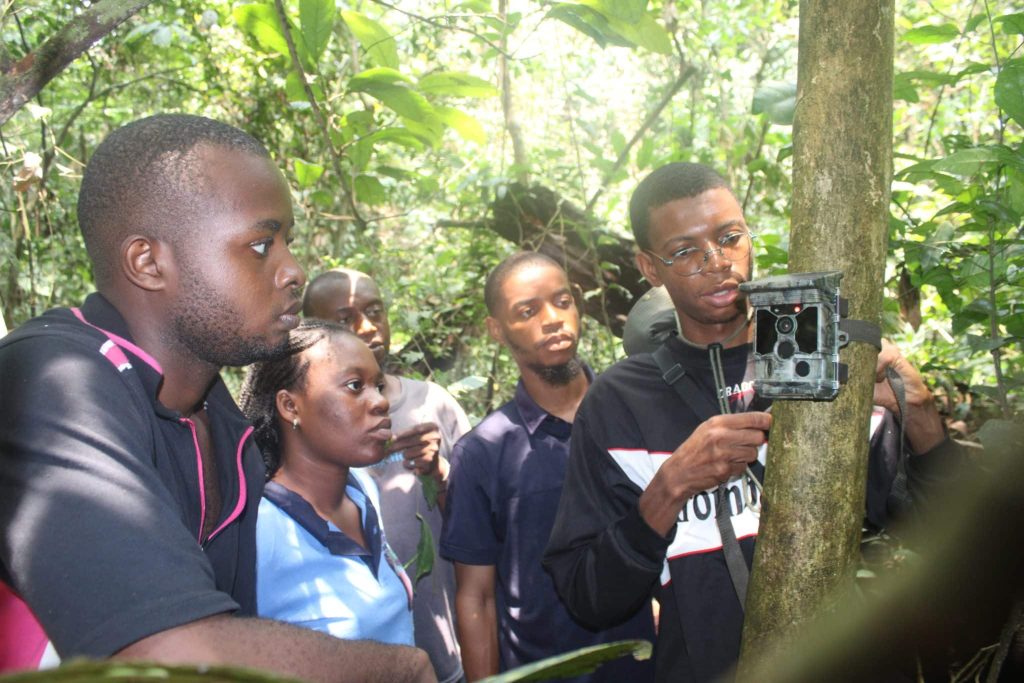
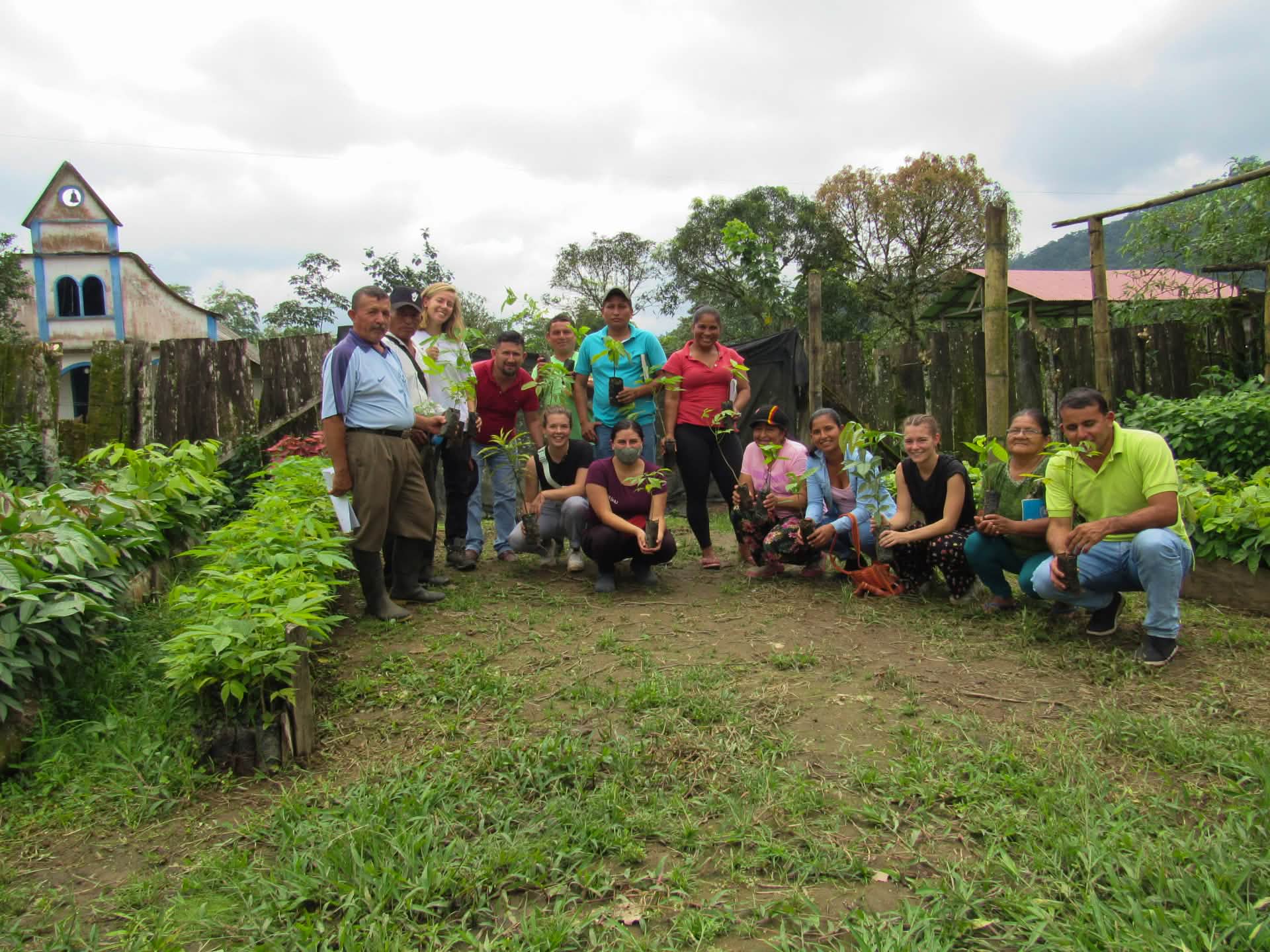
through Washu’s community engagement and education conservation programs.
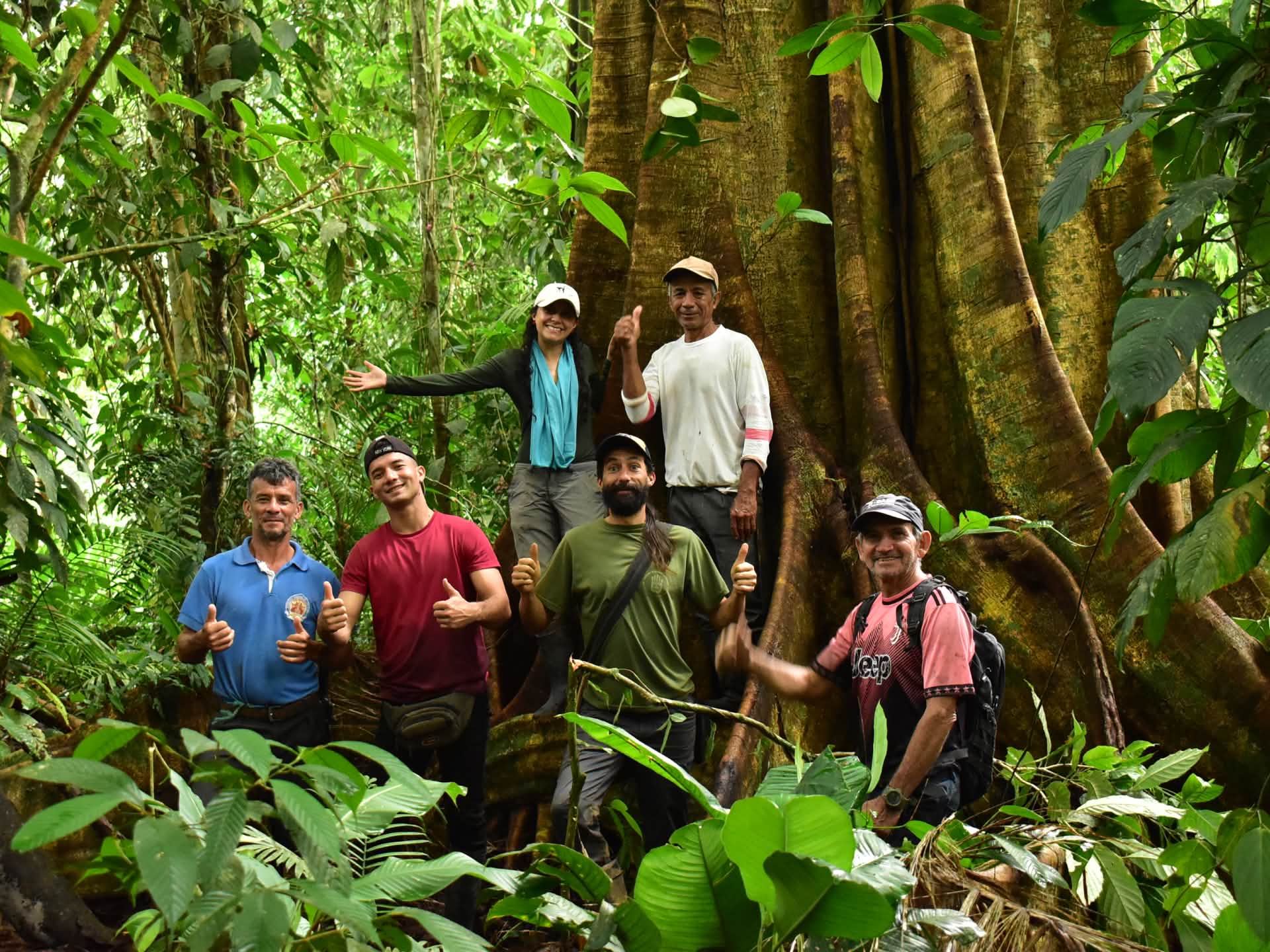
275
Trees Planted
through Washu’s reforestation work.
Solutions in Action
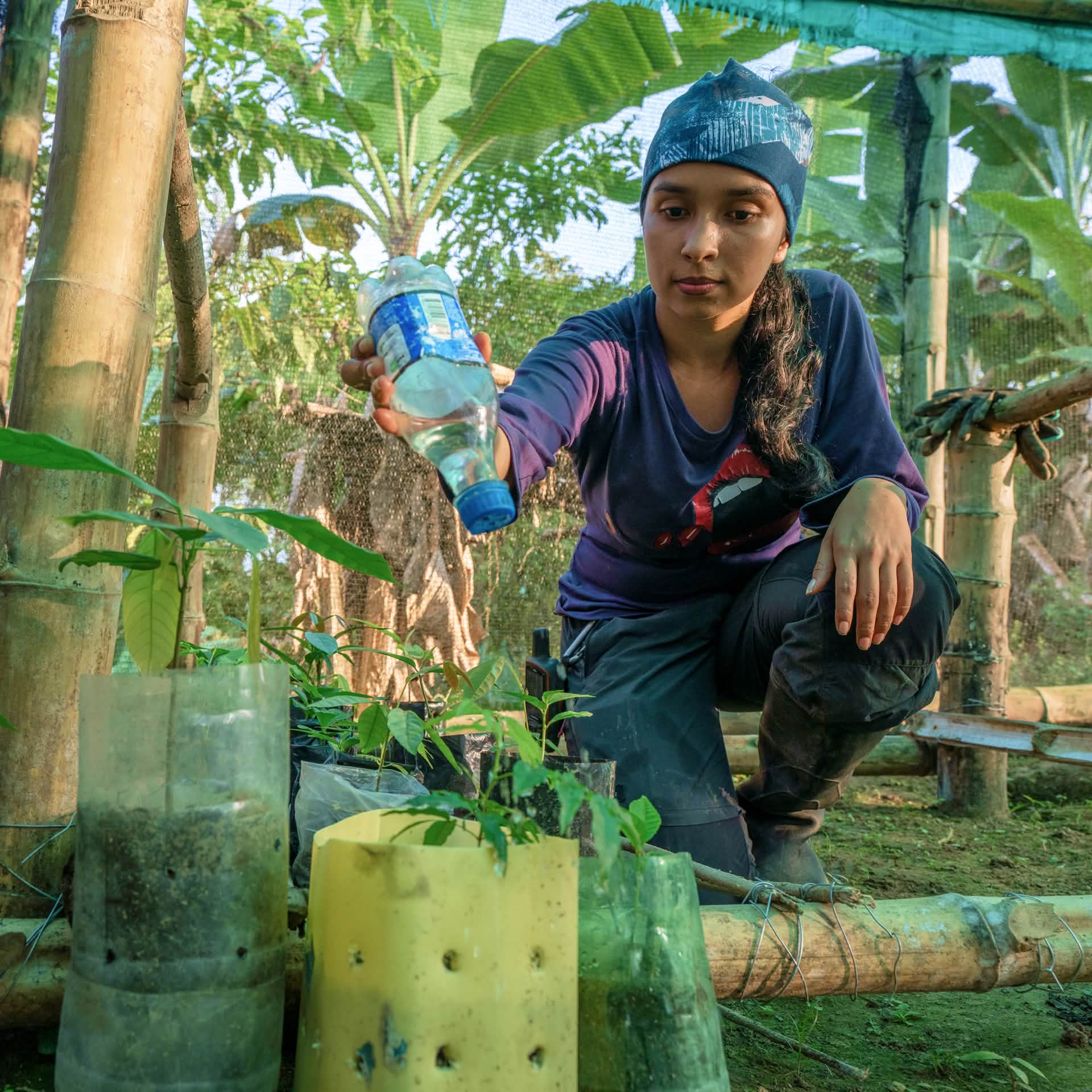

Thriving Nature & Wildlife
Key Biodiversity Areas in Manabí
In 2024, they achieved the designation of a Key Biodiversity Area (KBA) in Manabí Province, encompassing the distribution range of the brown-headed spider monkey. This designation highlights the importance of protecting the remaining forests and strengthens efforts to plan their future connectivity.
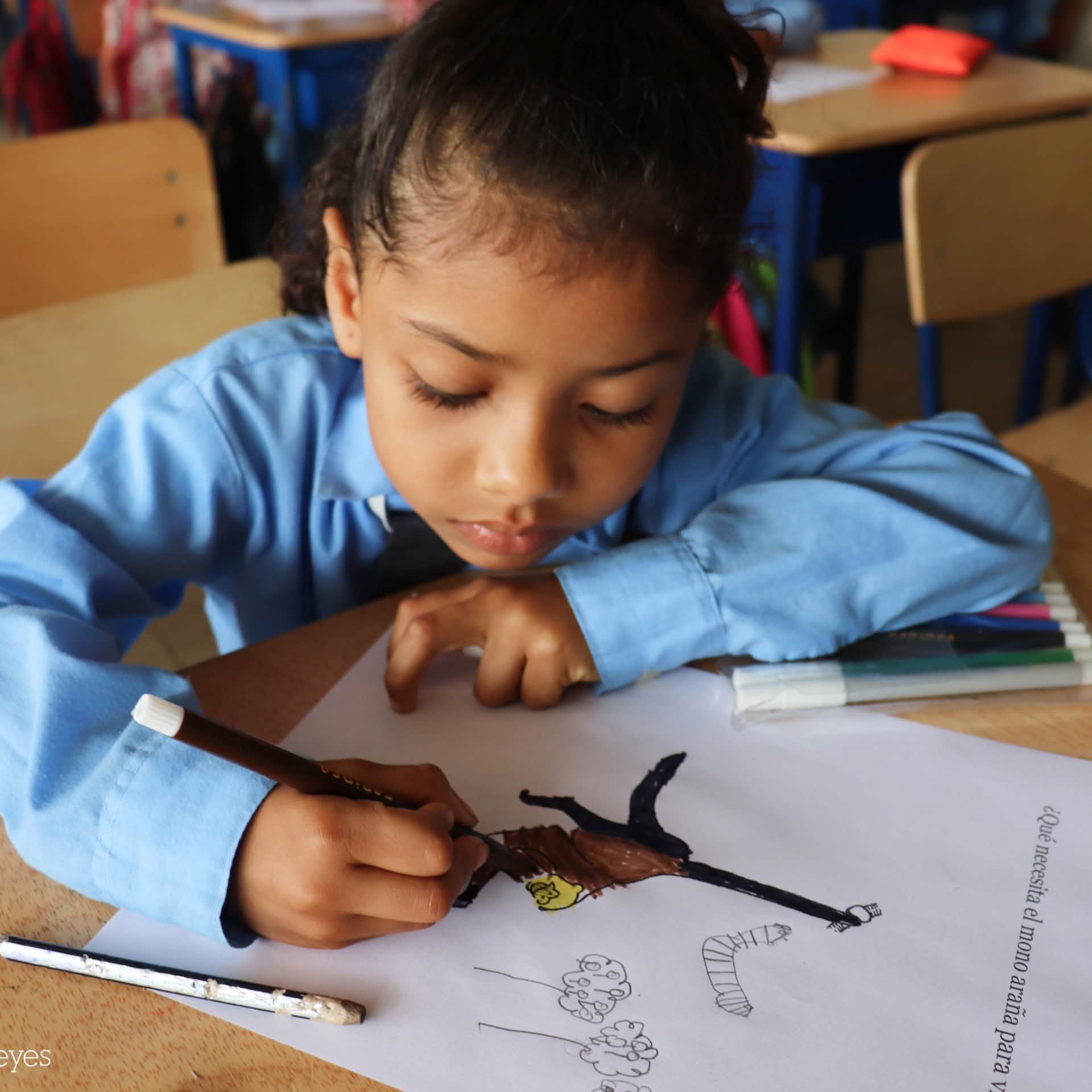

Thriving People
Sustainable Matrix Model
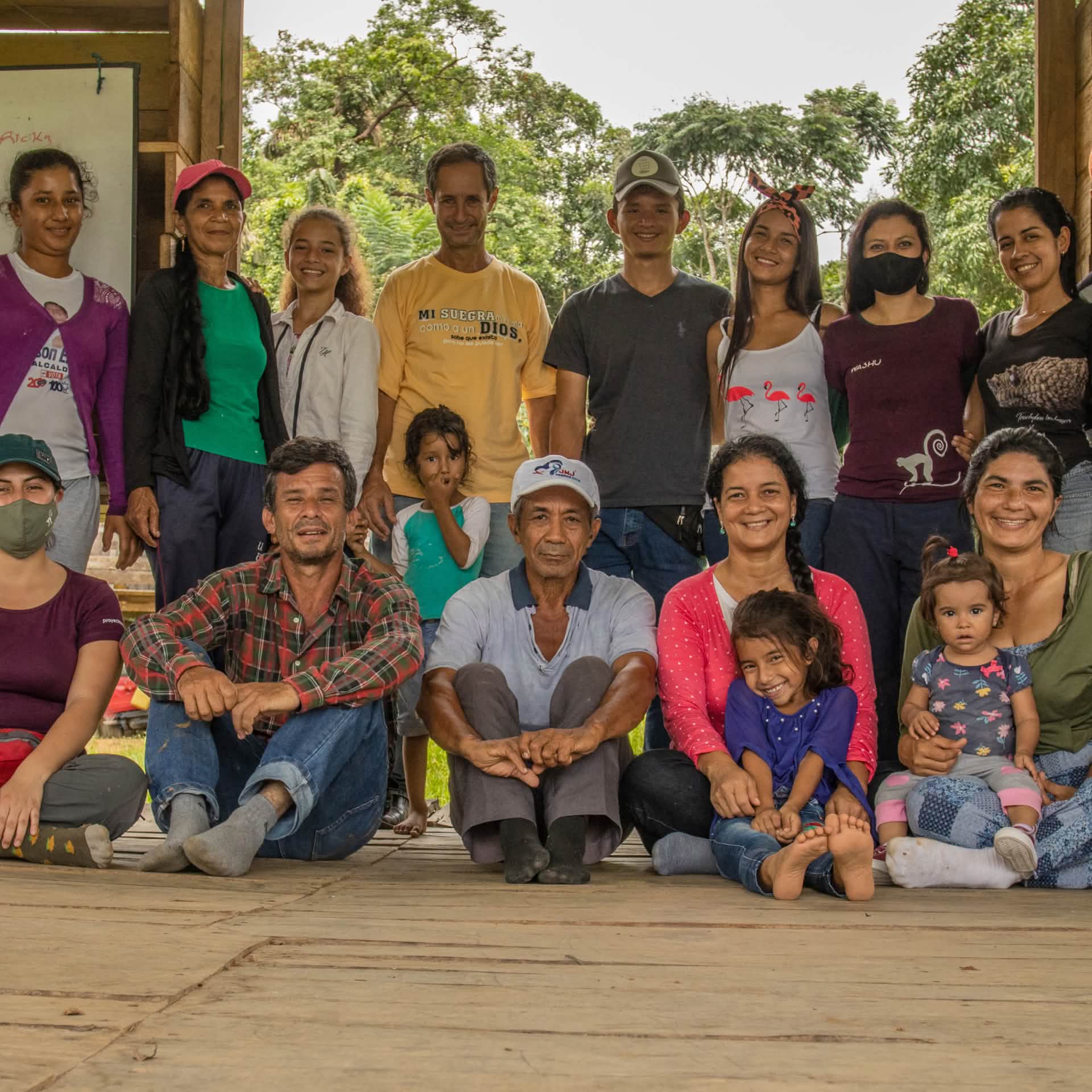
In 2024, they celebrated a decade of implementing socio-environmental agreements under the Sustainable Matrix Model. Currently, 905 acres of the Ecuadorian Chocó territory are under this conservation strategy, with 514 acres of forests directly protected by farming families. This model protects the habitat of key species and improves the livelihoods of local communities, strengthening their resilience and commitment to conservation.

Supporting Conservationists
Washu Chocolate
Through their social enterprise, Washu Chocolate, Washu supports cocoa farmers living alongside brown-headed spider monkey habitat to reduce agricultural expansion. It also helps them use their soil more sustainably and increase crop production. All of this helps Washu transform farmers into conservation ambassadors, a win-win for wildlife and people.
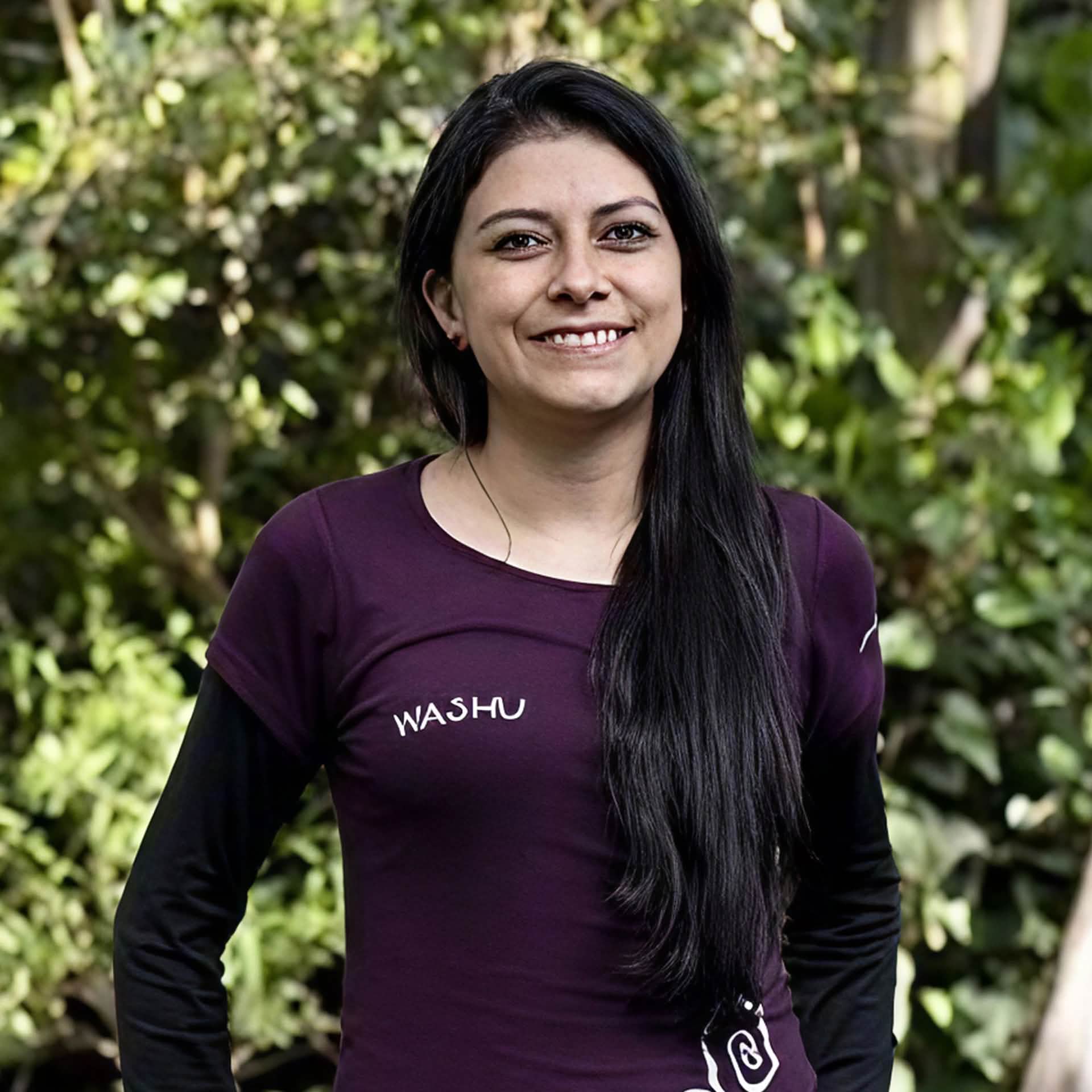
Quote“Washu’s 'Sustainable Matrix Model', integrates agroecology, biodiversity conservation, sustainable development, and environmental education. Thanks to this model, local families have become our greatest allies for biodiversity conservation.”
Nathalia Fuentes Proyecto Washu