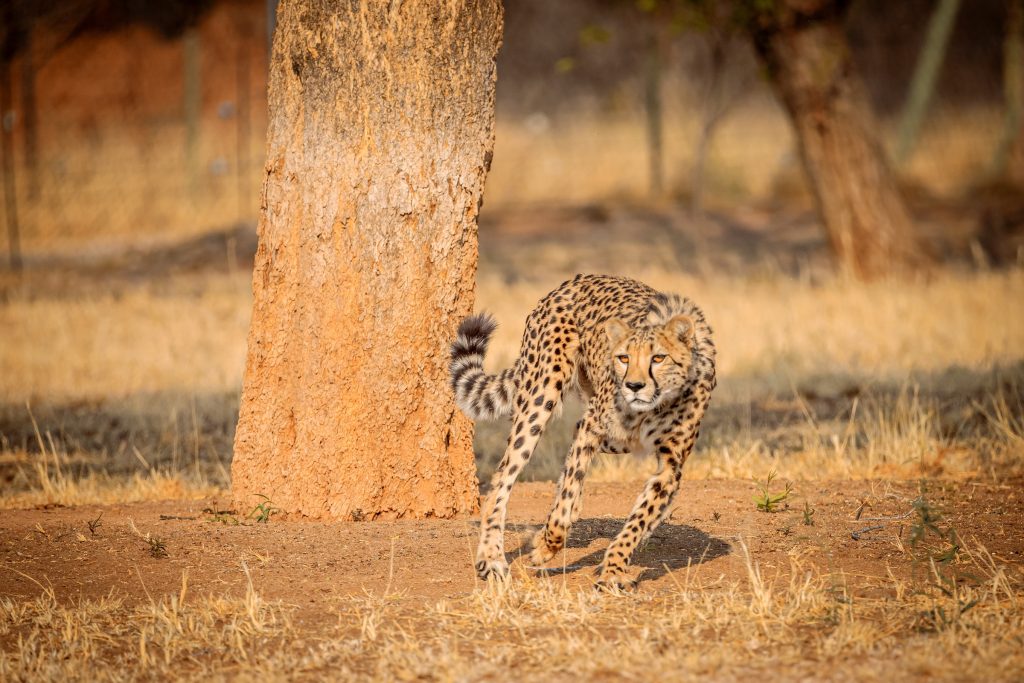

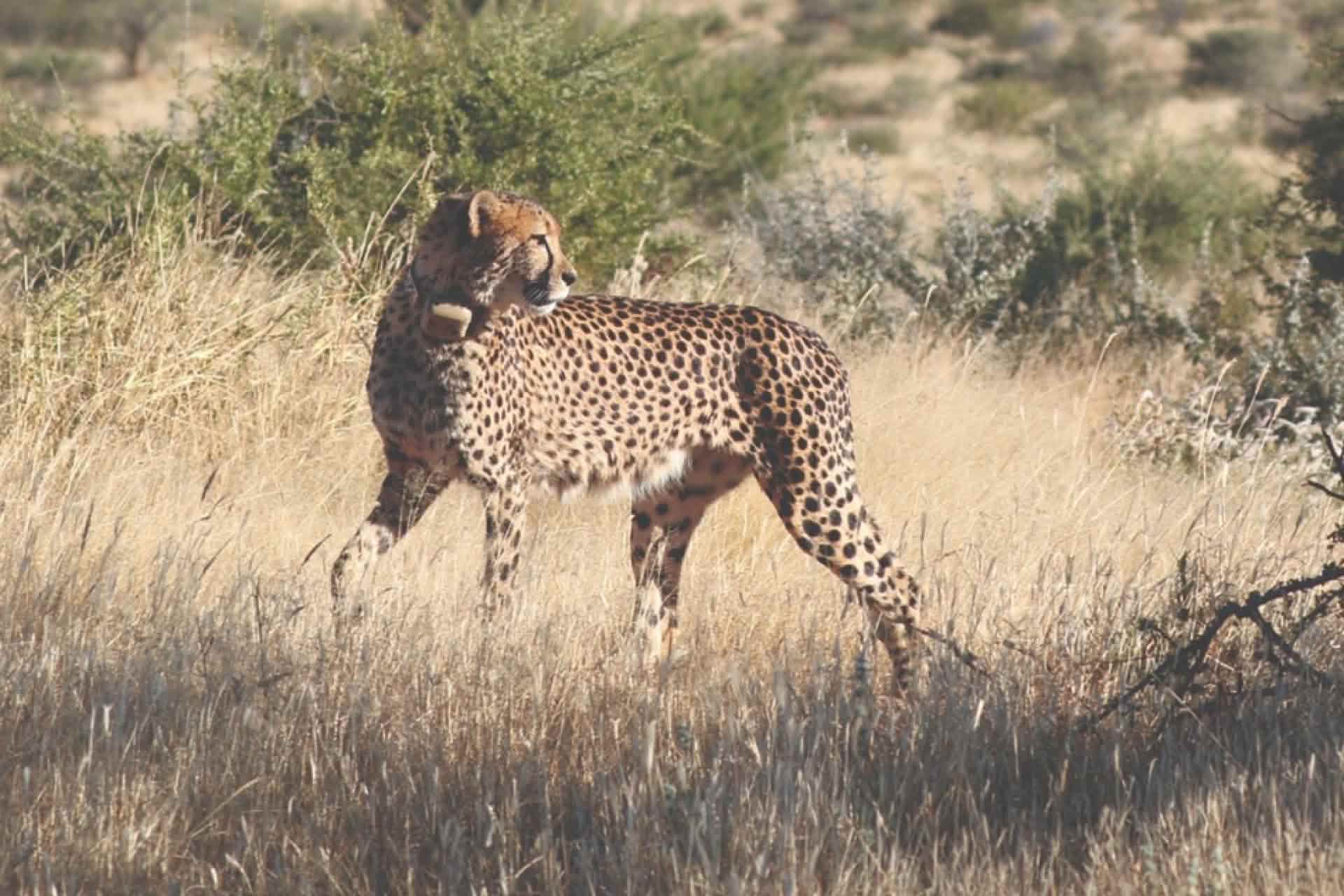
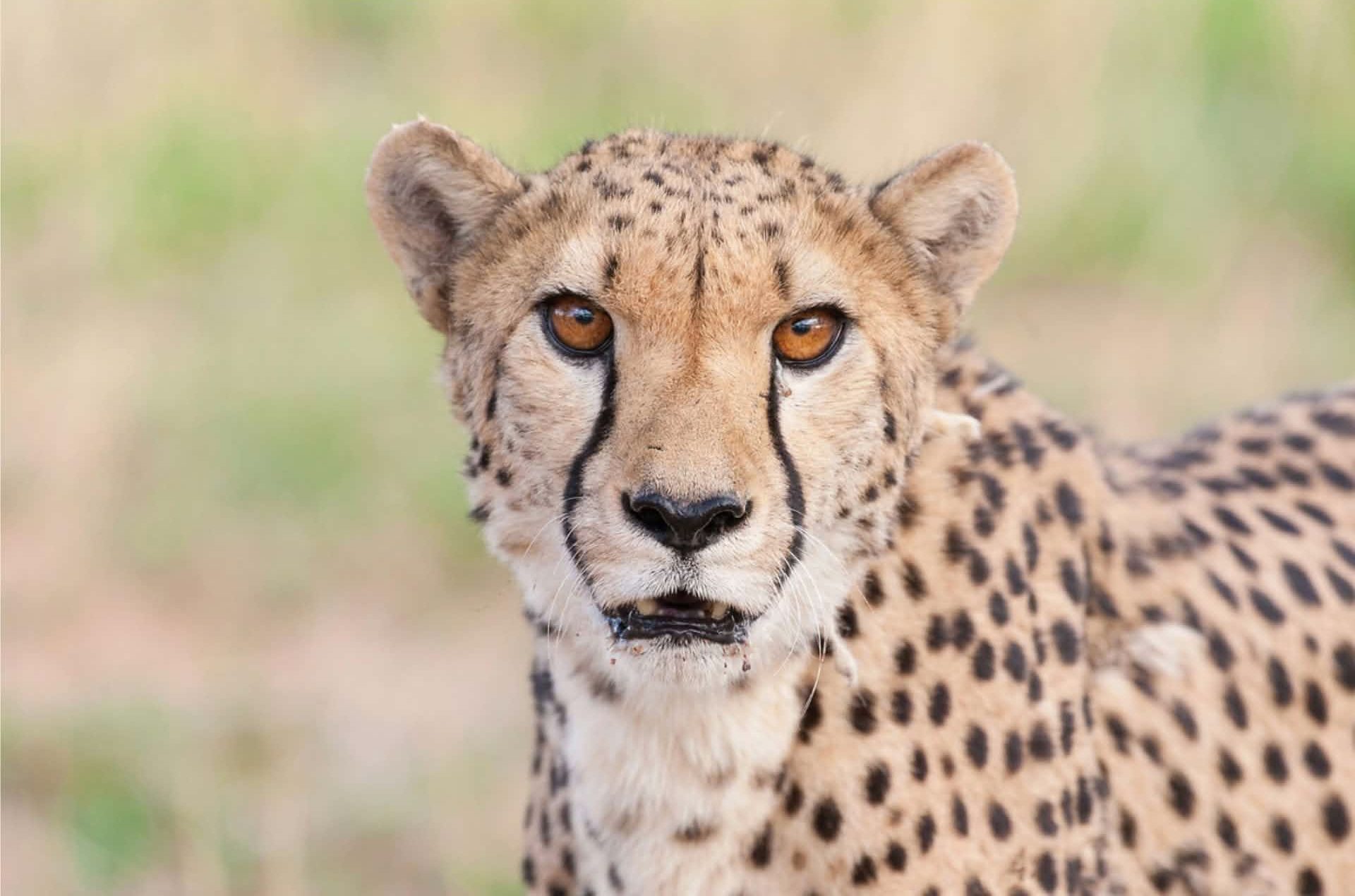
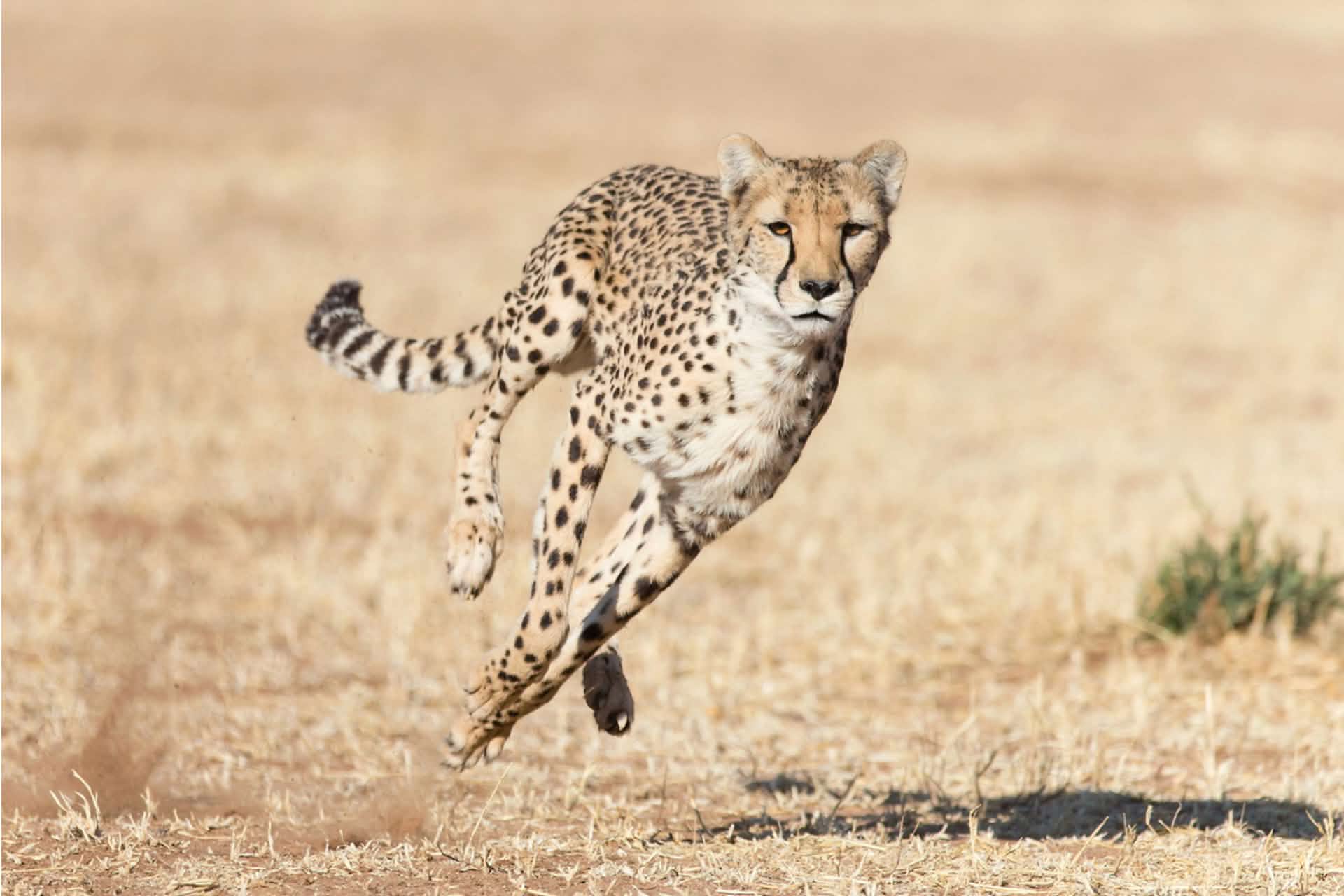
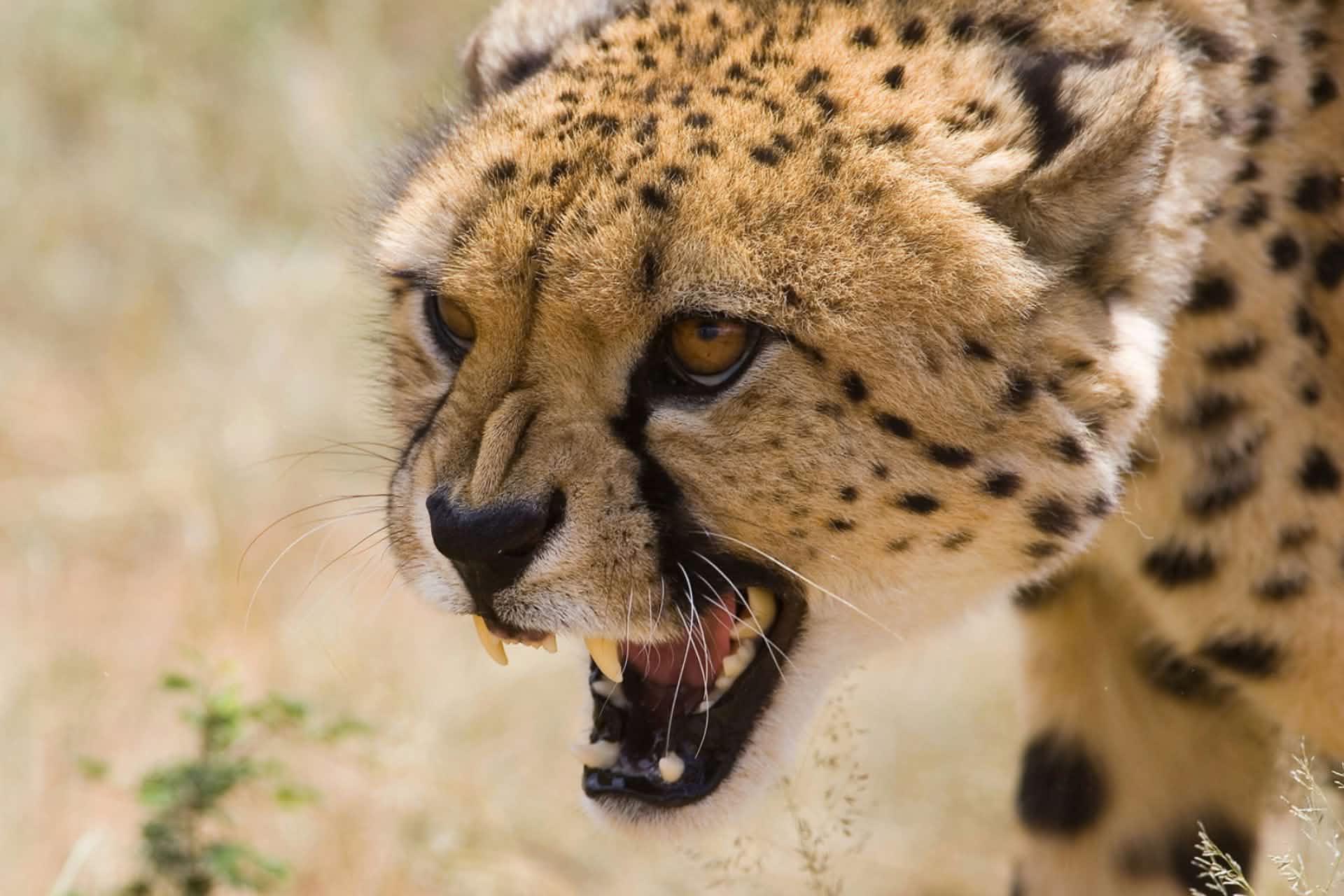
When you support Cheetah Conservation Fund (CCF), you help build a world where cheetahs live and flourish in coexistence with people within a sustainable system that is protective of the environment, socially responsible, and economically viable.
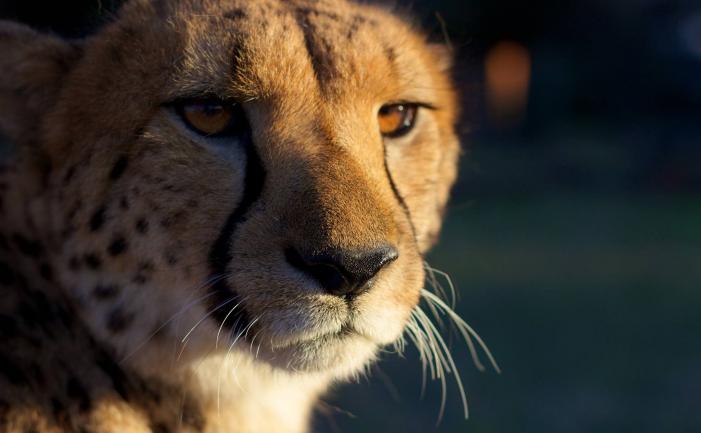
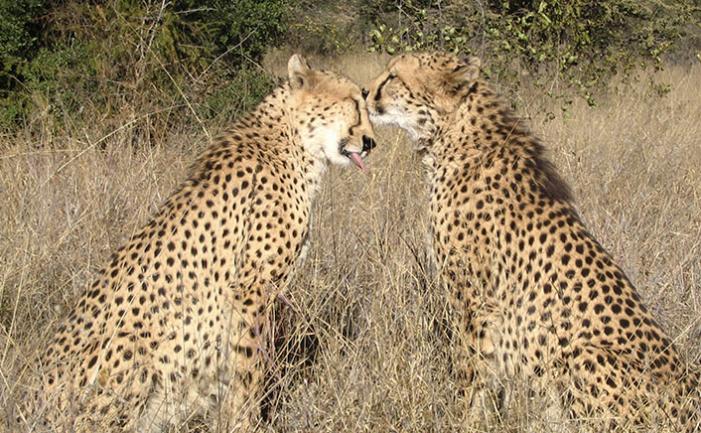
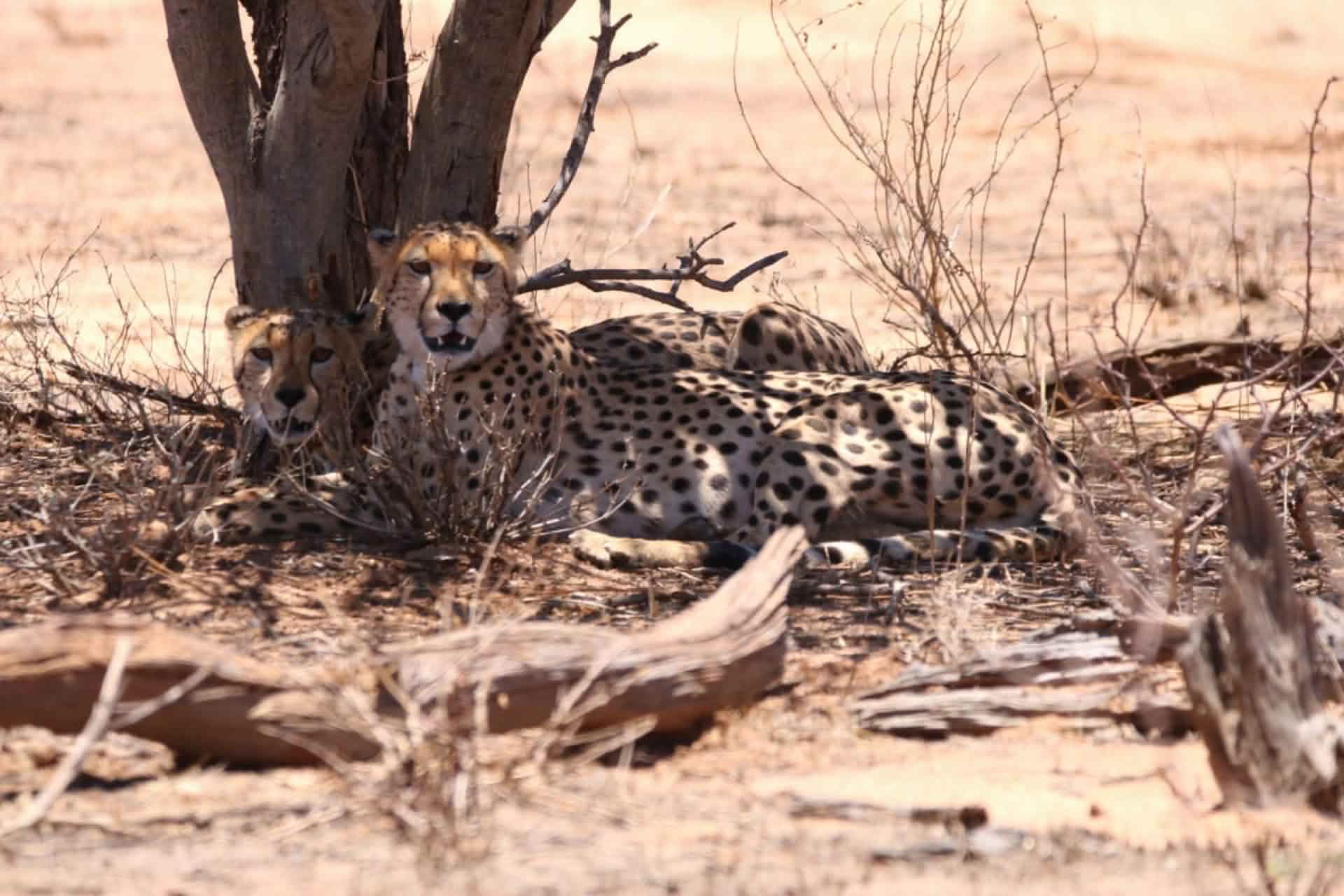
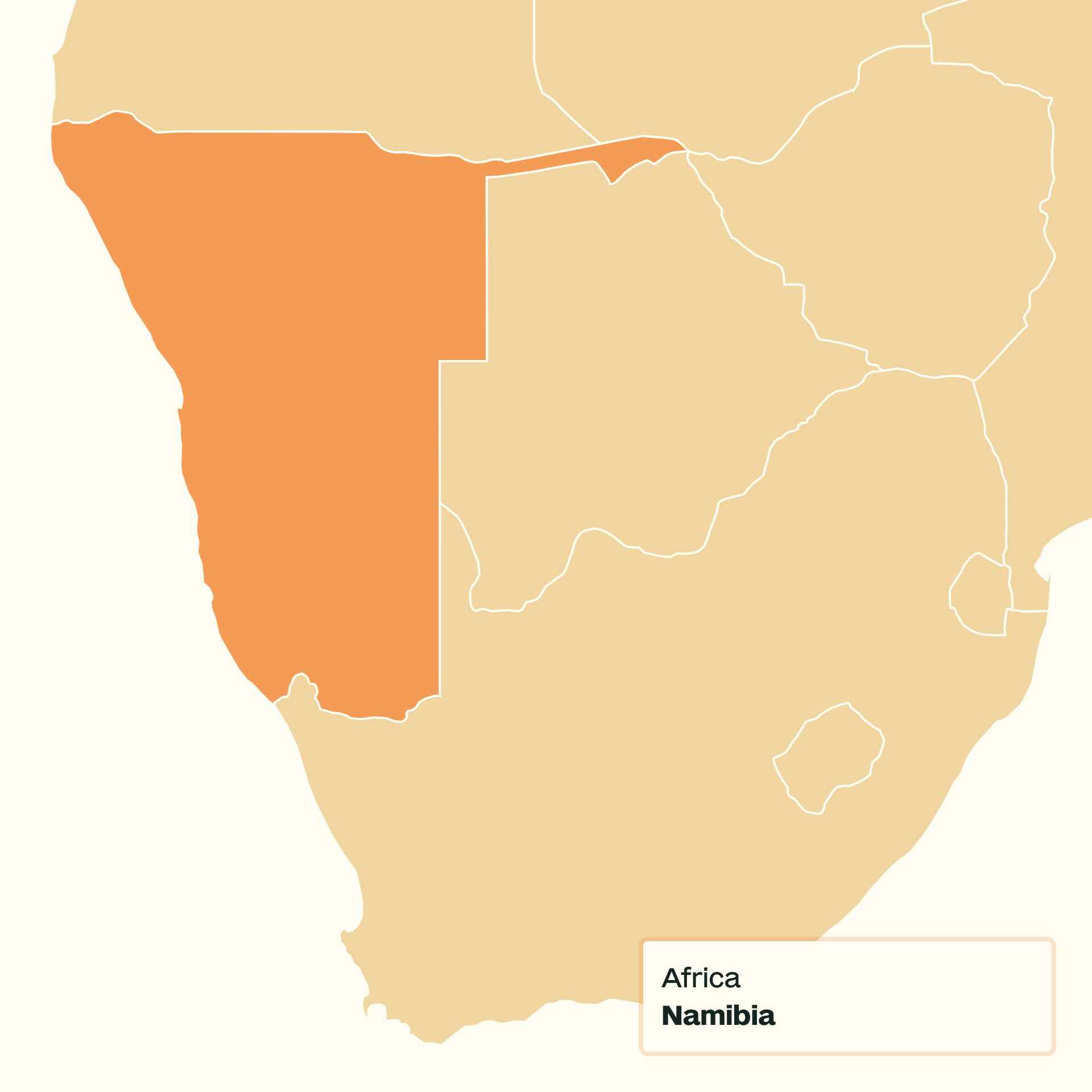
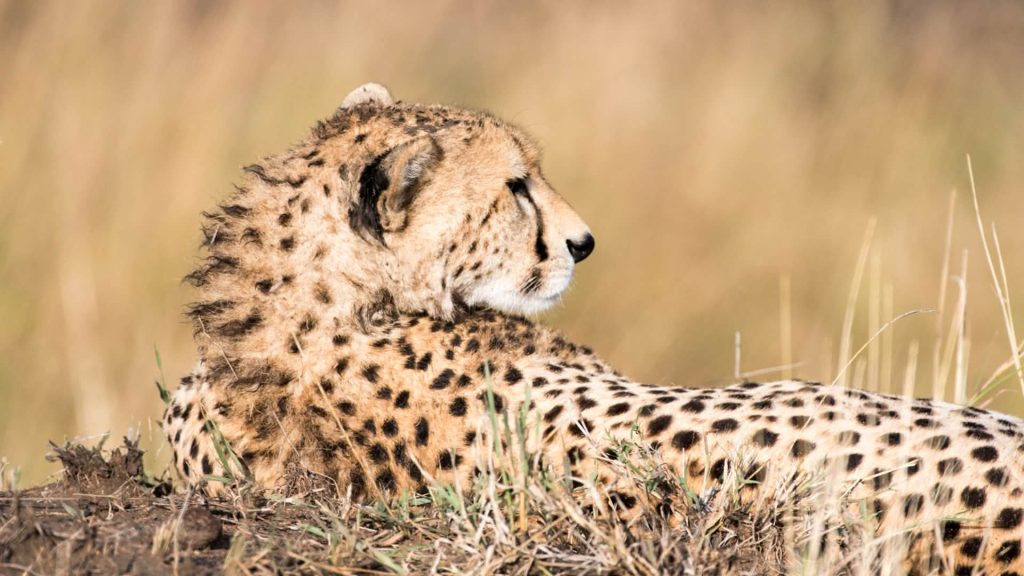
Cheetah numbers have declined by 90% over the past 100 years, making cheetahs one of Africa’s most endangered big cats. CCF works internationally and maintains a field base in Namibia, the country with the largest population of wild cheetahs.
Since 1990, CCF has worked across governments and communities to develop best practices in research, education, and land use to benefit all species, including people.
Support Cheetahs
With WCN’s 100% model, your entire gift supports the conservationists working to protect cheetahs in Namibia.
Cheetah—Namibia:
Cheetah Conservation Fund
Choose an amount to donate:
143,000+
Acres of Habitat Managed
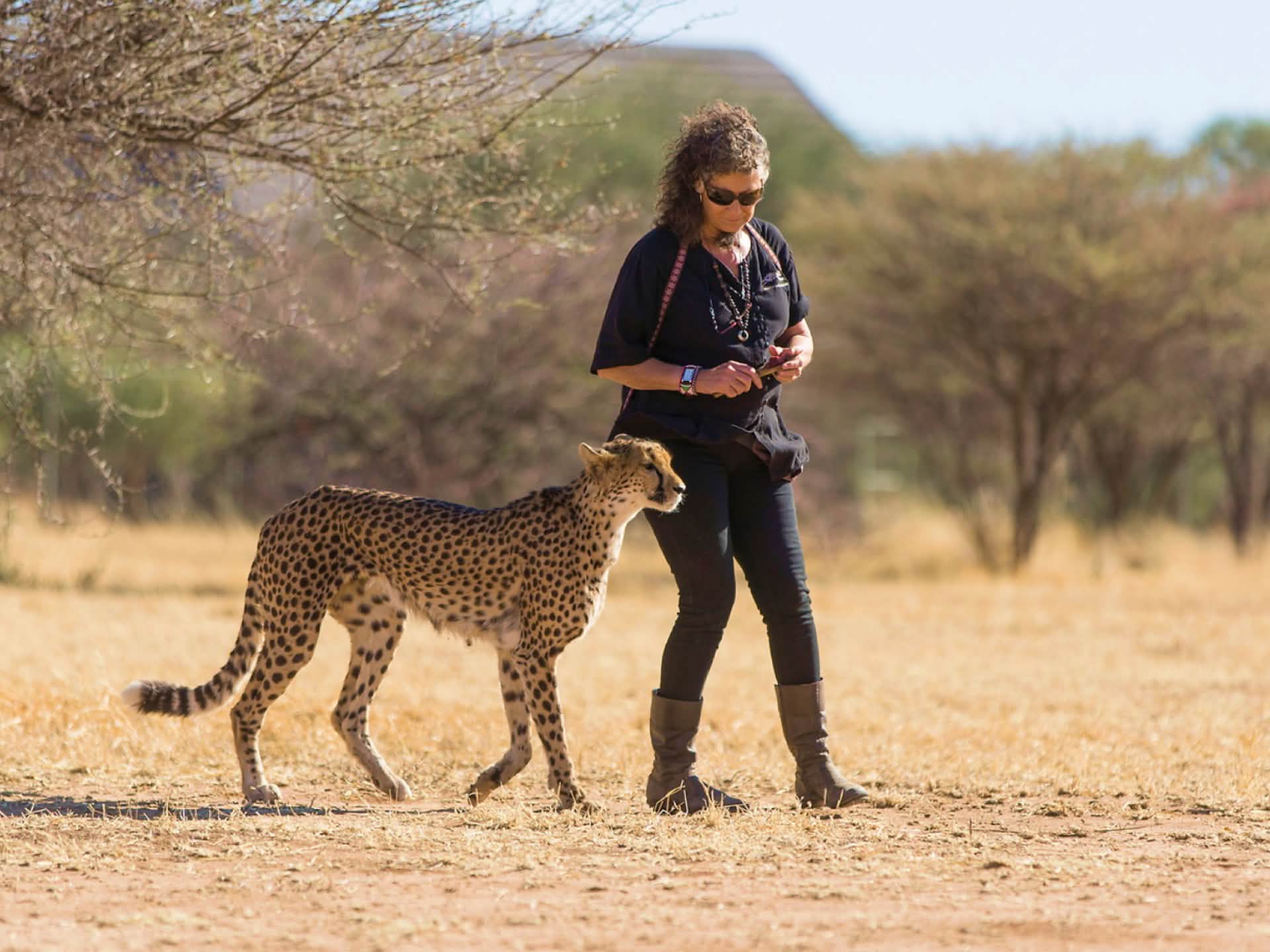
In Namibia, where our team monitors
cheetahs in the wild, provides lifelong care for those that cannot return, and
develops land restoration strategies that support both ecosystems and communities.
17
Villages Supported
CCF supported 17 villages in Somaliland in the formation of the Geed Deeble Conservancy to benefit people and wildlife.
780+
Livestock Guarding Dog
Program placements continues to transform coexistence between farmers and
predators.
Solutions in Action
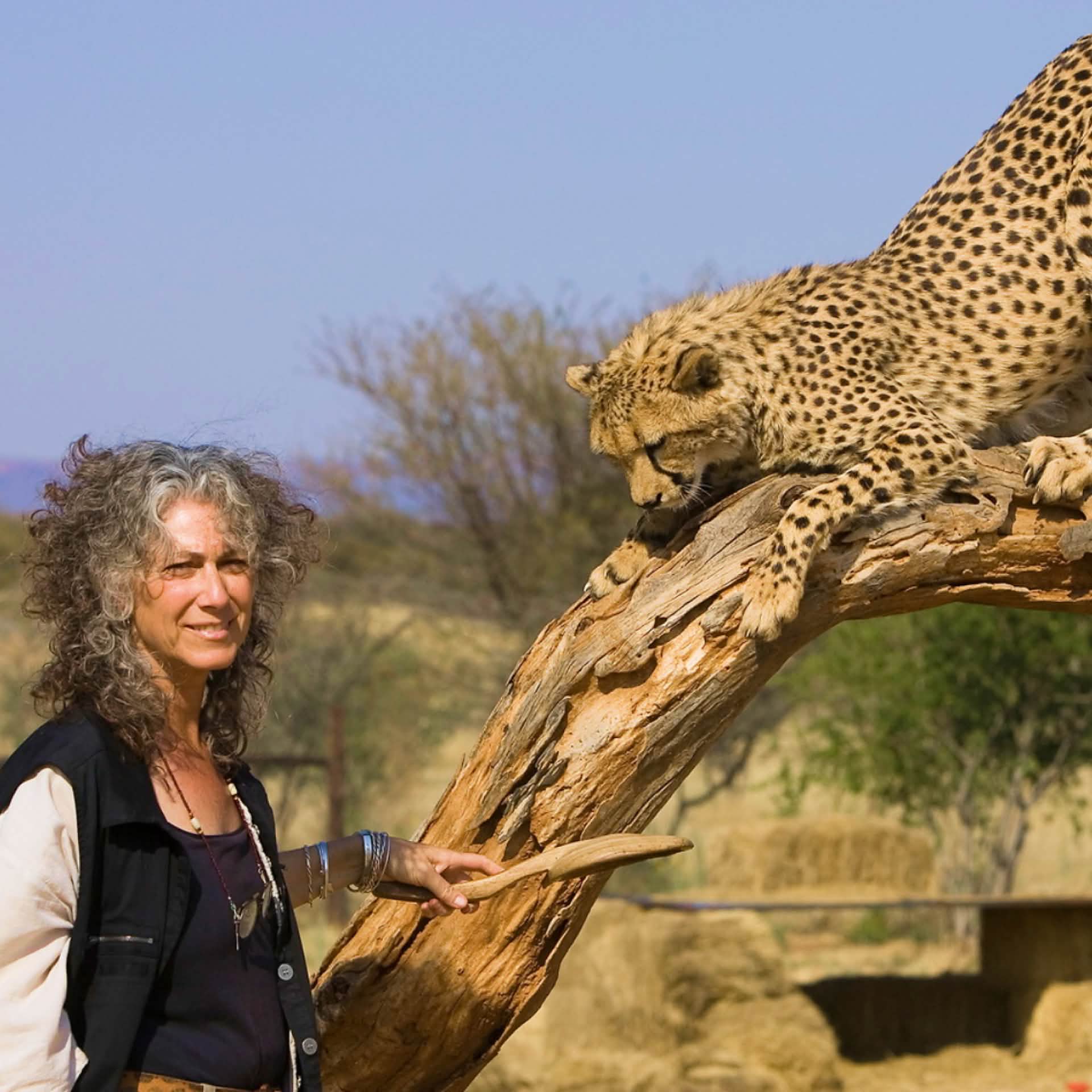

Thriving Wildlife
Cheetah Safe House
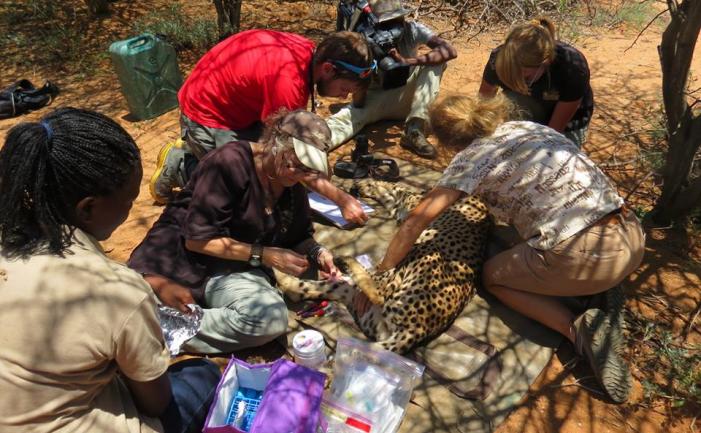
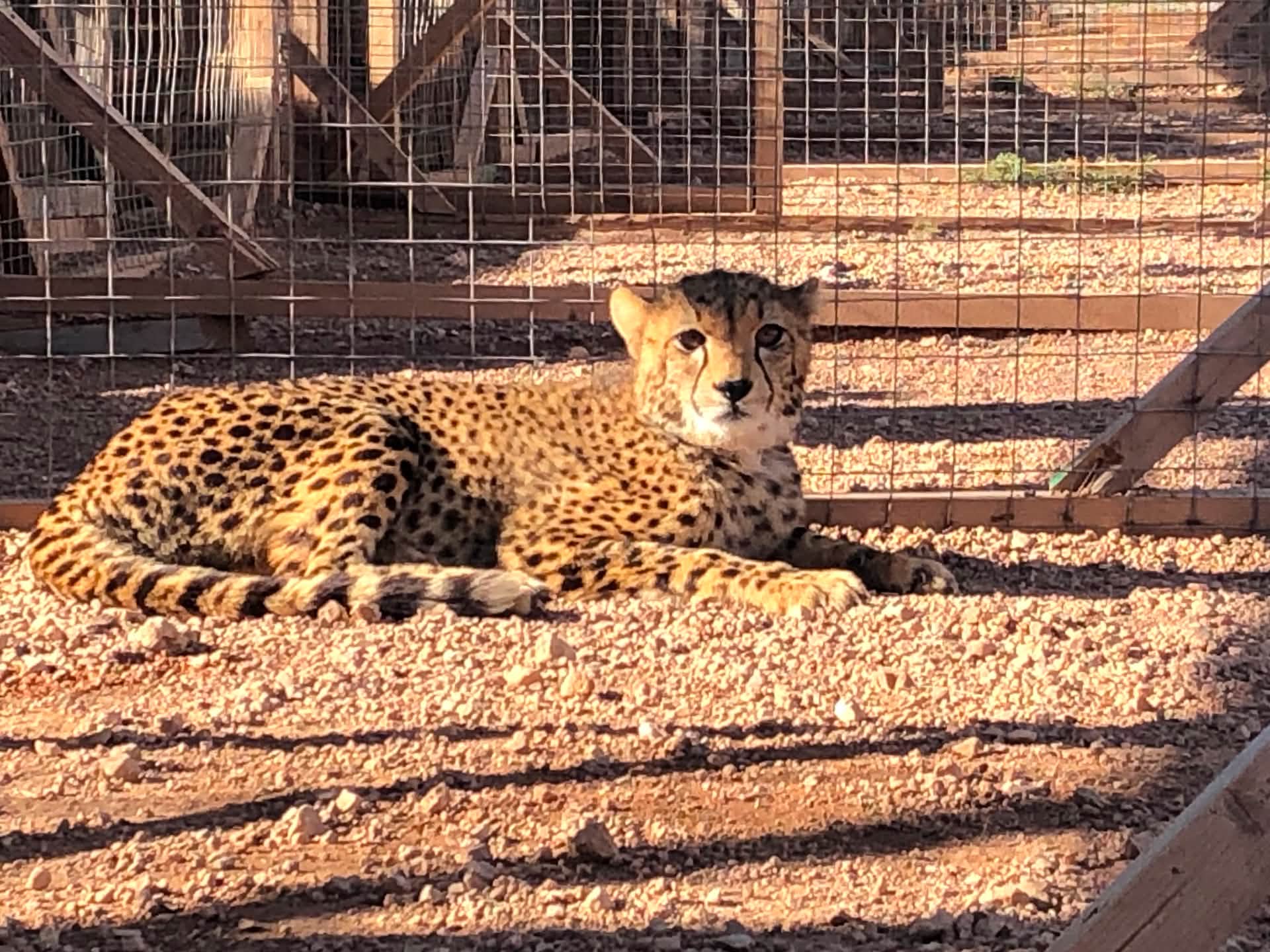
In Somaliland, CCF supports the seizure of cheetahs destined for the illegal pet market. CCF’s veterinary team oversees the care for confiscated cheetahs at their Cheetah Safe House, built specifically for cheetah cubs recovered from the pet trade.
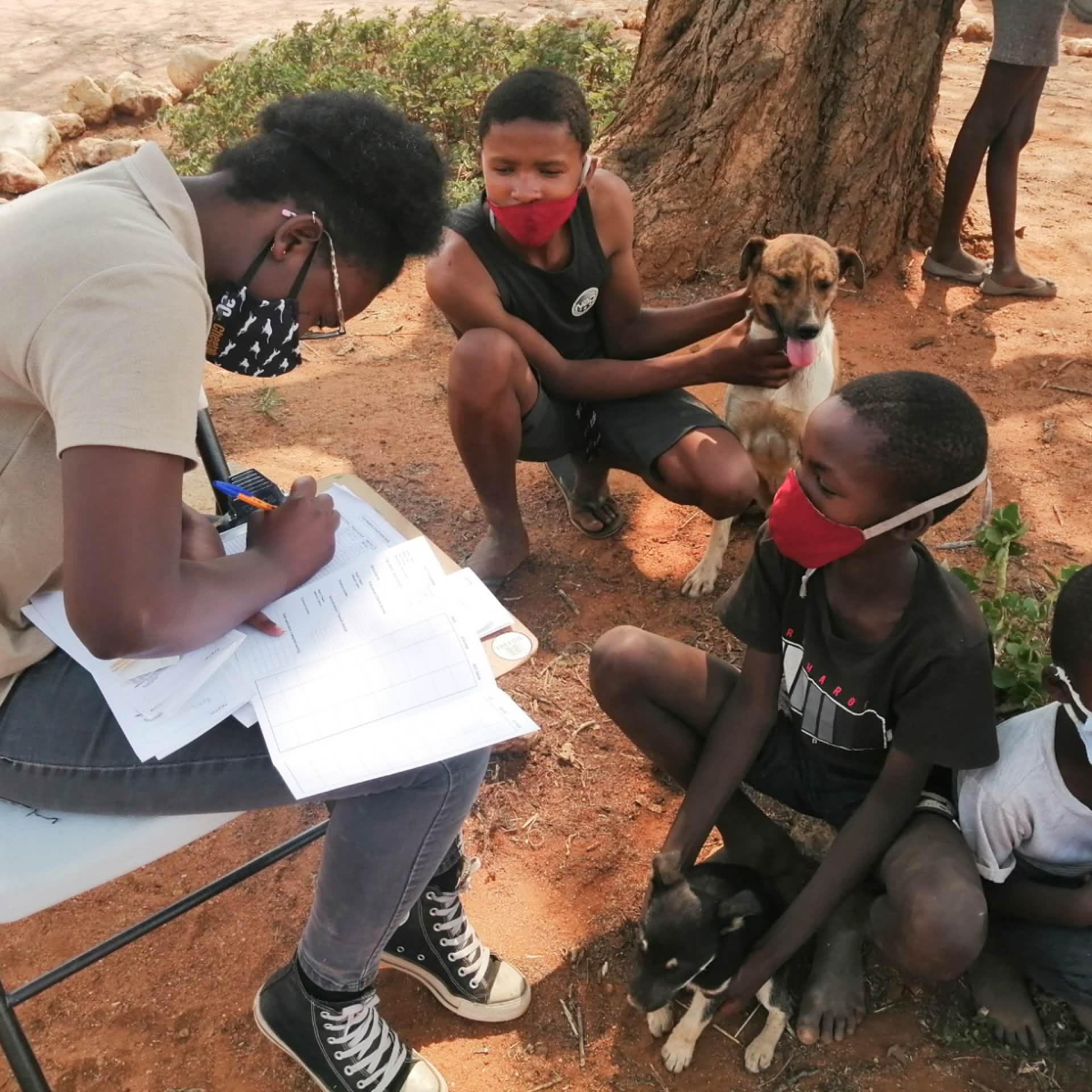

Thriving People
Model Farm
The key to securing a future for the cheetah is to secure the livelihoods of the people who share its habitat. To help Namibians expand their income, CCF’s Model Farm program inspires Namibian farmers to engage in wildlife-friendly agricultural ventures. CCF also breeds and trains livestock guarding dogs on the farm and produces cheetah-friendly products like goat cheese, fudge, and honey.
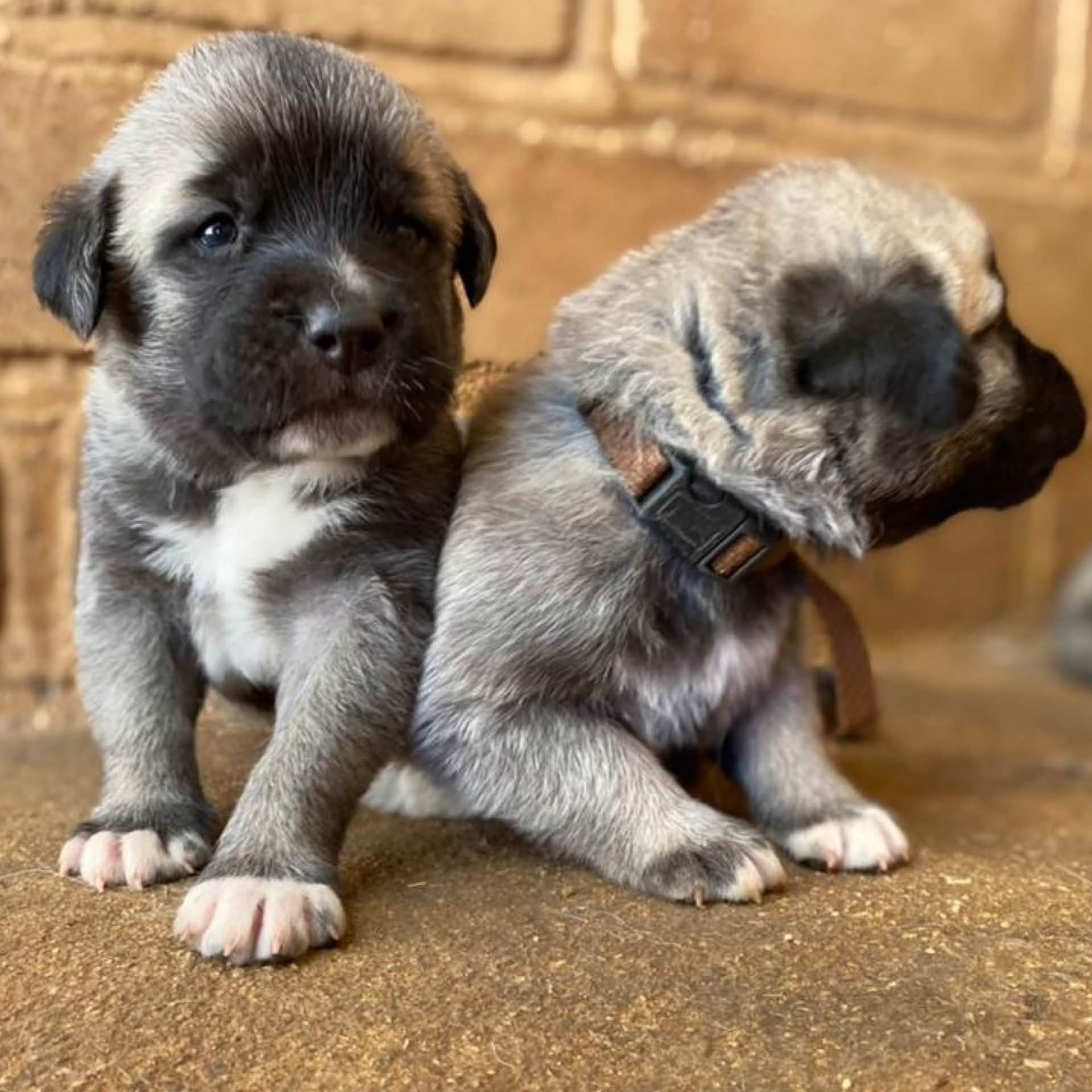

Thriving Wildlife & People
Livestock Guarding Dog
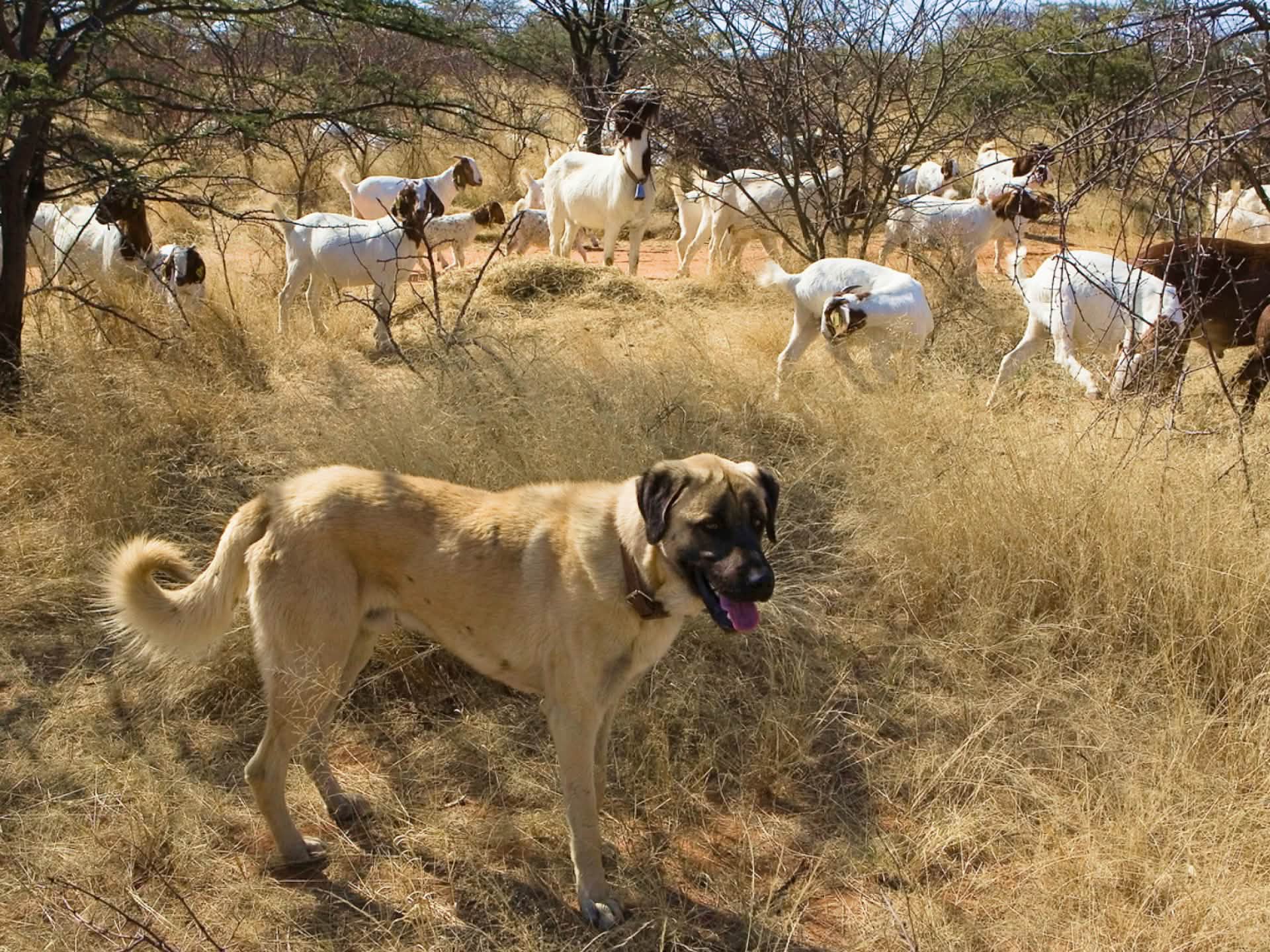
CCF’s Livestock Guarding Dog (LGD) program is proven to reduce livestock losses to predators. A breed of Anatolian shepherd and Kangal dogs are placed with Namibian farmers as puppies. The puppies bond with the herd or flock. As they grow up, their size and loud bark help to deter predators. Farmers with a LGD are less likely to lose livestock, and thus less likely to trap or shoot cheetahs in retaliation.
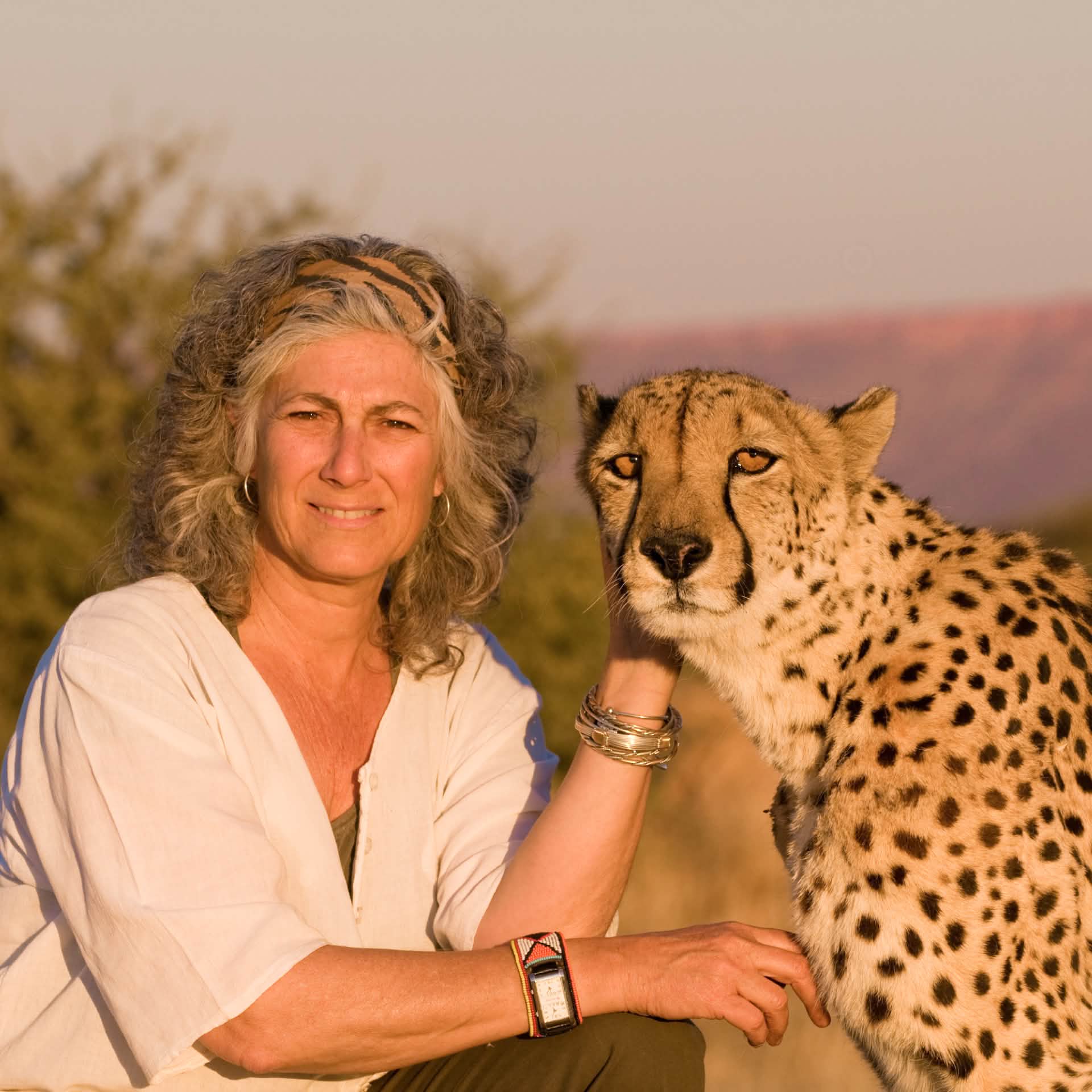
Quote“CCF operates under the principle that the key to sustainable conservation lies in improving the livelihoods of people. When human beings’ needs are met, they are more likely to care about biodiversity and become stewards of the planet.”
Dr. Laurie Marker, Executive Director Cheetah Conservation Fund